A record-breaking El Niño is currently unfolding in the Pacific Ocean, with water temperatures far exceeding historical norms. This 'Super El Niño' is triggering catastrophic coral bleaching, mass seabird die-offs, and extreme weather patterns globally.
- The Niño 3.4 region has surpassed the 'Super El Niño' threshold, with projections suggesting warming could peak at twice the normal limit.
- Marine ecosystems are collapsing, evidenced by 90% coral loss in Kiritimati and mass starvation of seabirds in Peru.
- Global weather disruptions include deadly floods in Chile, drought in India and Ethiopia, and disrupted fisheries in South America.
In the heart of the Pacific Ocean, a designated monitoring zone known as Niño 3.4 is currently exhibiting temperature anomalies that have alarmed the global scientific community. While a rise of just 0.5 degrees Celsius is typically enough to signal the start of an El Niño phase, current readings indicate a surge that is fundamentally different from any recorded in the last eight decades. Scientists describe the current state of the ocean as resembling a "baby pool," with surface temperatures in some areas reaching 3 to 4 degrees Celsius above normal.
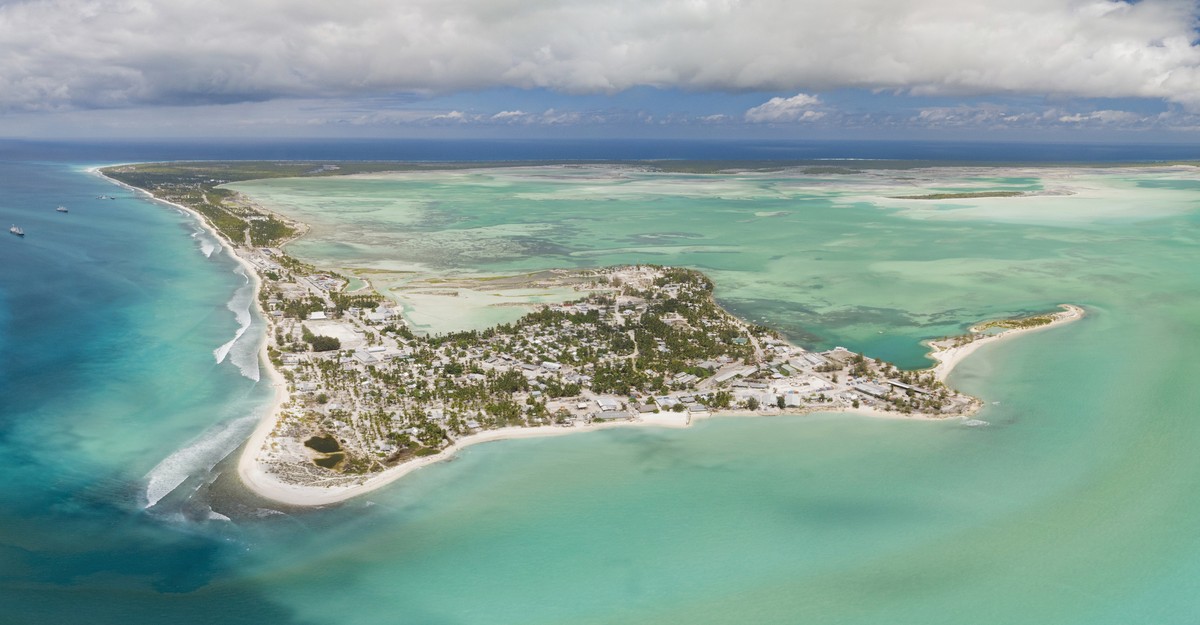
The biological toll is already devastating. On the world's largest atoll, Kiritimati, researcher Kristina Tietjen has observed a recurring cycle of destruction. During the 2015-16 event, 90% of the island's coral reefs perished. Now, with the ocean's baseline temperature steadily rising due to climate change, nearly half of the remaining corals have already bleached. This process serves as a lethal prelude to total reef collapse, potentially turning these vibrant ecosystems into underwater graveyards.
Why This Matters
BozokMedia analysis shows that this is not merely a cyclical weather event but a compounding crisis. Because these El Niño cycles are now occurring atop a baseline of globally warming oceans, the peaks are reaching unprecedented heights. The Copernicus Climate Change Service recently reported a record-breaking global average sea-surface temperature of 21.1 degrees Celsius. This means that even a "standard" El Niño now possesses the destructive power of a historical "Super El Niño," leaving marine life with no time to recover between shocks.
"We are now pretty certain this will be an exceptional event," states Malte Stuecker, Director of the International Pacific Research Center at the University of Hawaii at Manoa.
The ripple effects are being felt across continents. In South America, the Humboldt Current—the cold, nutrient-rich stream that supports massive fisheries—is being displaced by warm water. This has led to the disappearance of anchovy stocks, forcing Peru to shut down key fisheries. The ecological collapse extends to the shore; Carlos Zavalaga of the Universidad Cientifica del Sur has documented abandoned nests and starving chicks on islands that were once teeming with pelicans and penguins.
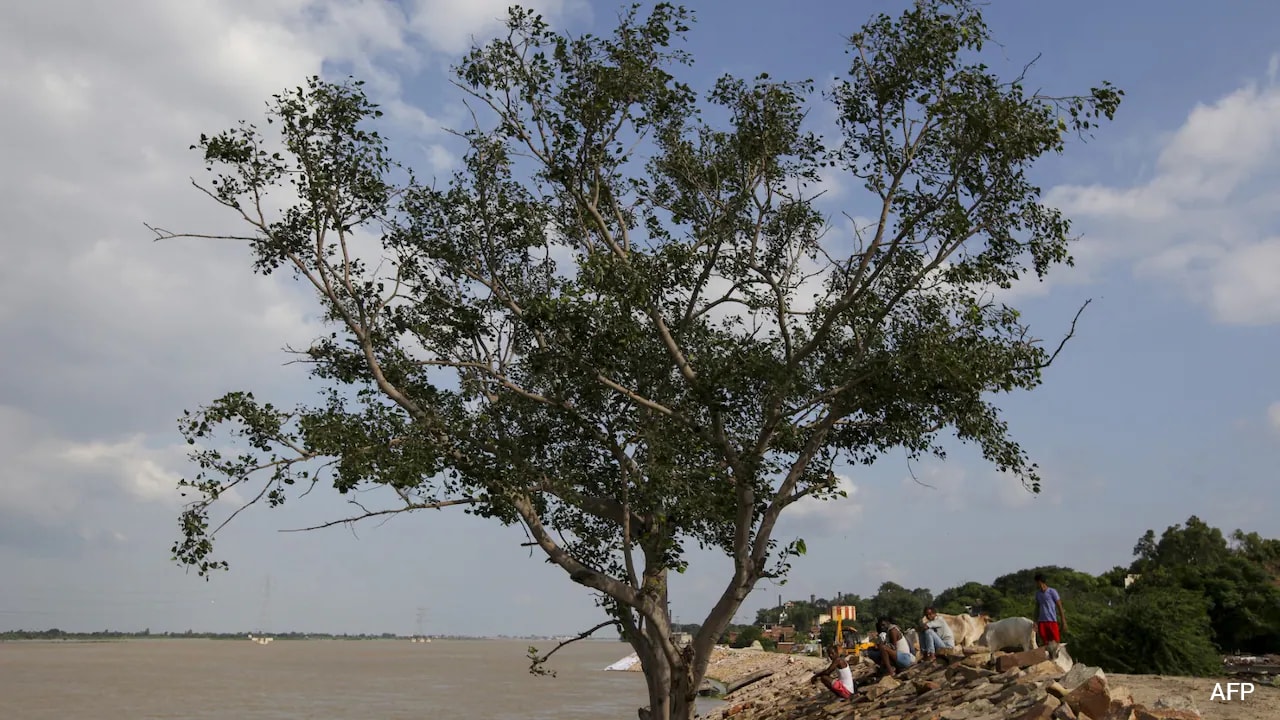
Meanwhile, the atmospheric shifts are creating a global dichotomy of weather extremes. While the southern United States expects increased rainfall, countries like India and Ethiopia are grappling with some of the driest summers on record. In Peru, torrential rains have caused landslides that have disrupted access to the historic site of Machu Picchu, while northern Chile faces deadly flooding in typically arid regions.
Looking ahead, the situation may worsen. Moored buoys have detected an enormous mass of warm water building up more than 100 meters below the surface. As this heat rises, the current cycle is expected to depart even more drastically from historical trend lines, pushing the planet into unfamiliar and potentially irrevocable climatic territory.
| Region | Typical El Niño Impact | Current 'Super' Event Impact |
|---|---|---|
| Peru/Chile | Moderate Rains/Fish Decline | Deadly Floods/Fishery Shutdowns |
| India/Ethiopia | Reduced Rainfall | Record-Breaking Severe Drought |
| Coral Reefs | Periodic Bleaching | Massive, Irrevocable Mortality |
Frequently Asked Questions
Q: What is the Niño 3.4 region?
A: It is a specific rectangular area of the equatorial Pacific Ocean monitored by scientists to detect temperature anomalies that trigger El Niño events.
Q: How does climate change affect El Niño?
A: While the cycles are natural, they now occur in a warmer ocean, meaning the peak temperatures reach higher, more destructive levels than in the past.