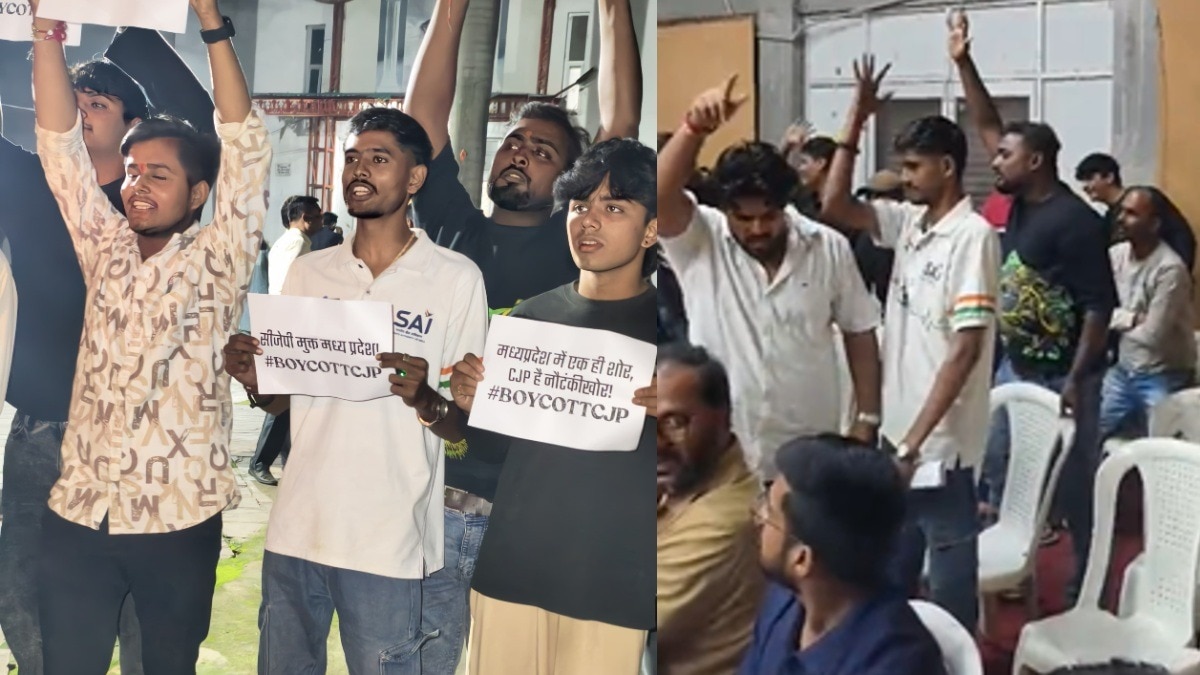
A strategic meeting of the CJP in Bhopal descended into chaos during a Q&A session, as members clashed over leadership styles and the perceived imposition of 'Delhi-centric' approaches on local issues.
- Severe disruption during the CJP meeting in Bhopal.
- Heated exchange during the Q&A session regarding regional identity.
- Internal friction between local workers and central leadership.
A high-profile meeting of the CJP in Bhopal, the capital of Madhya Pradesh, took a volatile turn when a routine question-and-answer session evolved into a loud confrontation. The meeting, intended to outline the organization's roadmap, instead highlighted deep-seated grievances among the local cadre.
The tension peaked when a member, expressing frustration over the leadership's approach, exclaimed, 'This is Bhopal, not Delhi...'. This statement was widely interpreted as a critique of the leadership's perceived detachment from the ground realities of Madhya Pradesh, suggesting that strategies formulated in the national capital are not applicable to the local landscape.
Why This Matters
BozokMedia analysis shows that this clash is symptomatic of a larger struggle within regional political entities where the 'top-down' approach clashes with 'bottom-up' aspirations. When local members feel sidelined or ignored, internal friction becomes public, potentially damaging the organization's image among the electorate.
Internal organizational stability is the bedrock of electoral success; without it, any outward projection of power is merely an illusion.
The disruption led to a temporary halt in proceedings, with several participants walking out in protest. Despite attempts by senior leaders to pacify the crowd, the lack of transparency in addressing critical questions further exacerbated the situation.
Historically, political gatherings in Bhopal have been marked by high intellectual engagement and a strong sense of regional pride. The city's political climate often rejects any perceived arrogance from centralized leadership, making this incident a significant red flag for the CJP leadership.
Frequently Asked Questions
Q1: What triggered the conflict at the CJP meeting in Bhopal?
A: The conflict was triggered by a clash over leadership styles and a perceived lack of understanding of local regional dynamics compared to the national capital.
Q2: What are the potential implications of this uproar?
A: It may lead to internal fragmentation within the party and a loss of confidence among the grassroots workers in Madhya Pradesh.