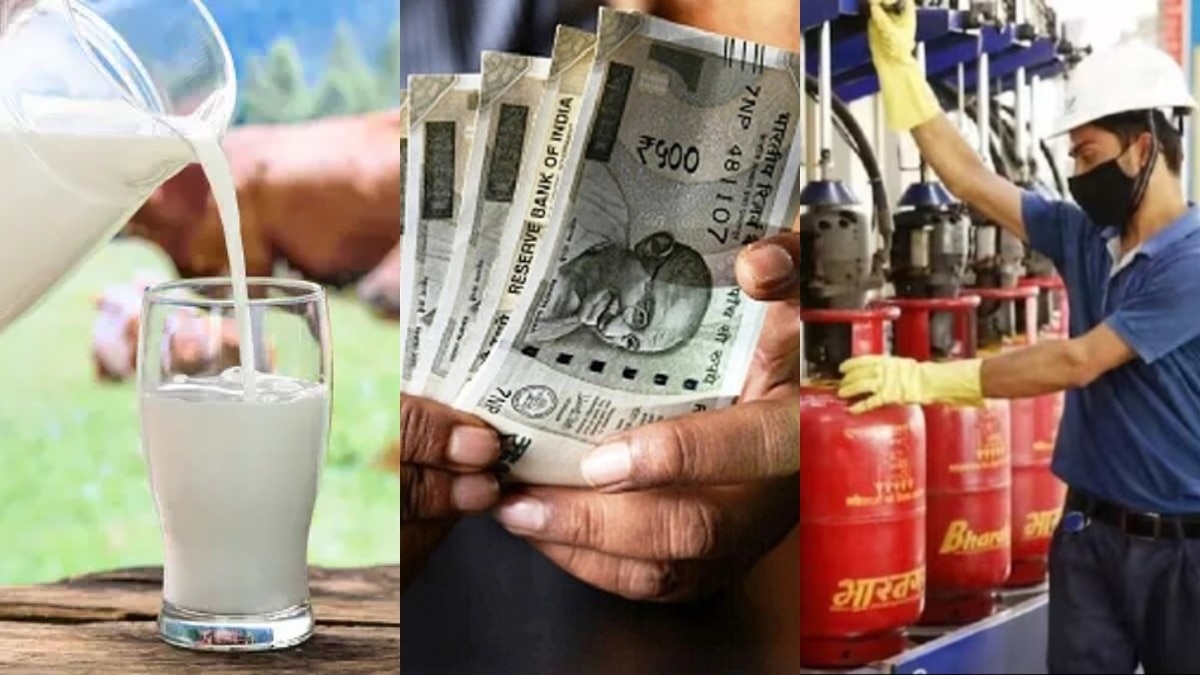
September begins with a wave of price hikes across essential services. From CNG and PNG in Mumbai to Tata and Hyundai cars, inflation hits multiple sectors simultaneously.
- CNG prices in Mumbai rose by ₹2/kg; PNG increased by ₹1/SCM.
- Tata Motors and Hyundai India have implemented significant price hikes for their vehicles.
- Loose milk prices in Mumbai surged by ₹9 per liter.
- Immigration process simplified for international travelers; physical stamps no longer mandatory.
The onset of September has brought a series of financial shocks for consumers, particularly in urban hubs. Effective September 1, 2026, several price revisions have come into force, impacting everything from daily commutes to kitchen budgets. Mumbai, in particular, has faced a multi-pronged attack of inflation.
Fuel and Transport Costs on the Rise
In Mumbai, Mahanagar Gas Limited (MGL) has increased the price of Compressed Natural Gas (CNG) by ₹2 per kilogram, bringing the new rate to ₹88/kg. This hike has triggered an immediate increase in auto-rickshaw and taxi fares, adding to the daily expenses of commuters. This follows a similar trend in Delhi-NCR, where Indraprastha Gas Limited (IGL) recently raised prices.
Domestic energy costs have also spiked. Piped Natural Gas (PNG) prices in Mumbai rose by ₹1 per SCM to ₹53. Additionally, commercial LPG cylinders saw a price increase of ₹9.50. A critical concern for domestic users is the LPG e-KYC deadline, which has now passed. While connections won't be terminated immediately, users who failed to complete verification may face difficulties in obtaining cylinders at subsidized domestic rates.
Why This Matters
BozokMedia analysis shows that the volatility in the international natural gas market is directly trickling down to the end consumer. When energy costs rise, they create a ripple effect—increasing the cost of transportation and production for perishables like milk, thereby fueling overall inflation and reducing the disposable income of the middle class.
"The correlation between energy price hikes and essential commodity inflation is direct; as logistics costs rise, the consumer price index inevitably climbs."
Automobile Price Hikes
Prospective car buyers have received a setback as major manufacturers revised their pricing. Tata Motors Passenger Vehicles Ltd has increased the prices of its cars and SUVs by up to ₹25,000. Similarly, Hyundai Motor India has announced its third price hike of the year. These adjustments are attributed to rising input costs and the implementation of stricter emission norms.
| Item/Service | Previous Rate/Status | New Rate/Change |
|---|---|---|
| Mumbai CNG | ₹86/kg | ₹88/kg |
| Mumbai PNG | ₹52/SCM | ₹53/SCM |
| Loose Milk (Mumbai) | ₹93/liter | ₹102/liter |
| Immigration Stamp | Mandatory | Not Required |
Essential Commodities and Travel Relief
The dairy sector in Mumbai has also seen a jump, with loose milk (tabela milk) prices increasing by ₹9 per liter, now costing ₹102. This is reportedly due to the rising cost of cattle feed. However, there is a silver lining for international travelers. Starting September 1, passengers departing from India no longer need to get their boarding passes stamped at immigration counters; digital or printed copies are now sufficient.
Frequently Asked Questions
Q1: Will my LPG connection be canceled if I haven't done e-KYC?
A: No, the connection will not be canceled immediately, but you may be forced to purchase cylinders at non-subsidized, higher rates until verification is complete.
Q2: Which car brands have increased prices from September 1?
A: Tata Motors and Hyundai Motor India have both implemented price hikes on their vehicle lineups.