As the BRICS summit approaches, India finds itself in a delicate position, navigating tensions with Russia and China while ensuring its critical partnership with the United States remains intact, with Iran emerging as a pivotal point of contention.
- India aims to maintain its strategic partnership with the US despite BRICS membership.
- Potential friction with Russia and China over India's nuanced approach toward Iran.
- Possibility of Chinese President Xi Jinping visiting India in 2026 for a meeting with PM Modi.
- Extensive infrastructure and traffic preparations underway in Delhi for the event.
The upcoming BRICS summit is shaping up to be more than just a gathering of emerging economies; it is a high-stakes geopolitical chess match. India's primary objective is to avoid alienating the United States, a key security and technology partner, while continuing to engage with the BRICS bloc, which includes rivals like China and partners like Russia.
A significant point of friction is the role of Iran. India's historical ties and strategic interests in Iran often clash with the stringent sanctions regime imposed by the US. If India leans too heavily toward the BRICS consensus on Iran, it risks triggering sanctions or diplomatic coldness from Washington. Conversely, distancing itself could create a rift with Moscow and Beijing.
Why This Matters
BozokMedia analysis shows that India is attempting to redefine 'Strategic Autonomy.' By positioning itself as a bridge between the Global South and the West, India is not just seeking economic growth but is aiming for a permanent seat at the high table of global governance. However, this requires a precision-engineered diplomatic approach to avoid being caught in the crossfire of a new Cold War.
"India's ability to maintain multi-alignment is its greatest strength, allowing it to extract concessions from both the West and the East."
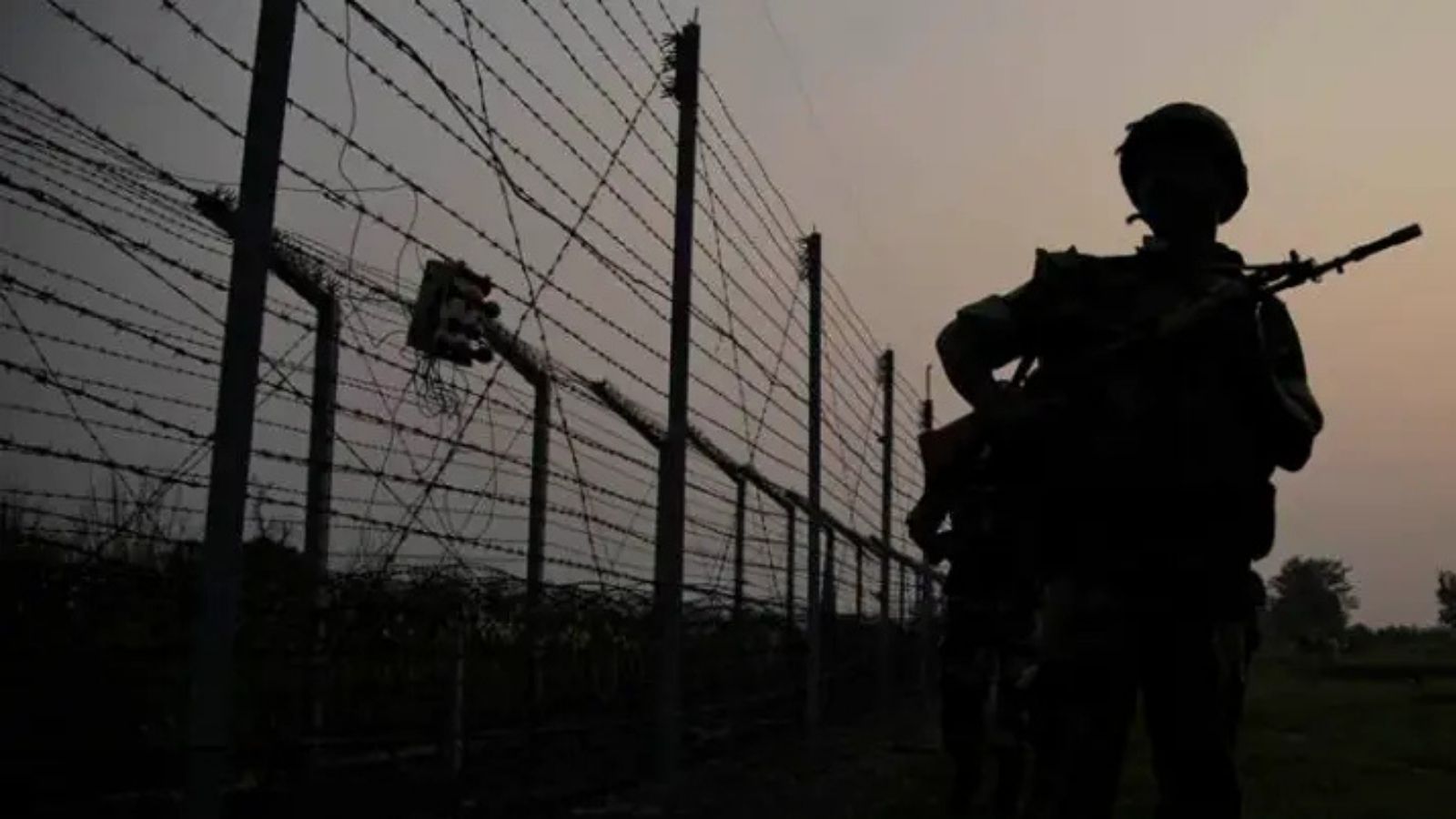
Adding to the intrigue is the possibility of Xi Jinping visiting India in 2026. After seven years of strained relations and border skirmishes, a meeting between PM Modi and the Chinese President would signal a potential thaw in relations, which is crucial for stability in the Indo-Pacific region.
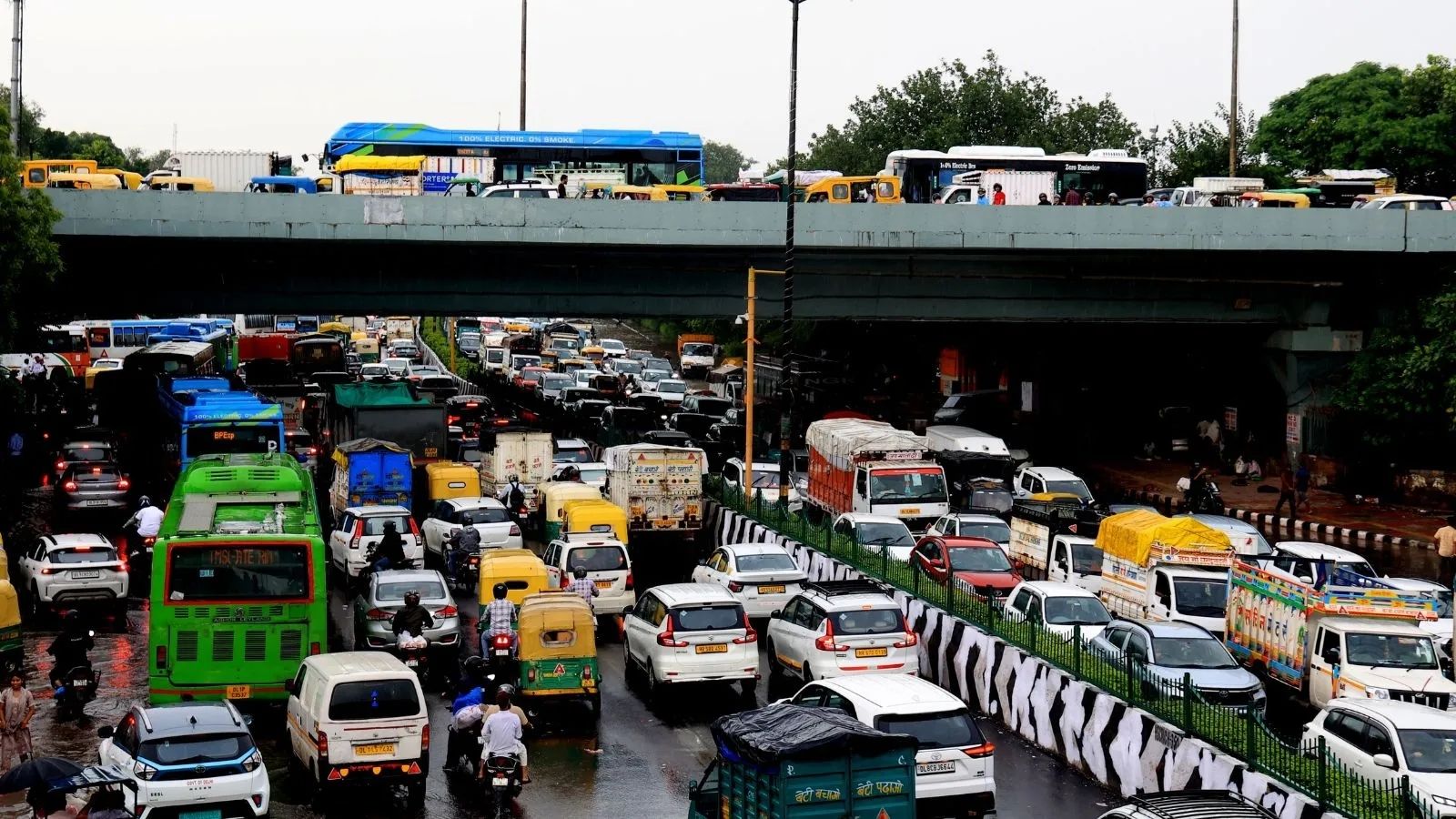
On the domestic front, New Delhi is gearing up for the spectacle. The NDMC has prioritized 41 major routes for beautification, and traffic authorities have planned diversions at 22 key locations to ensure seamless movement for visiting heads of state, reflecting India's desire to project an image of efficiency and grandeur.
Frequently Asked Questions
1. Why is Iran a cause for tension in BRICS?
Iran's relationship with the US is hostile, and India's attempt to maintain ties with Tehran while staying close to Washington creates a diplomatic tightrope.
2. What is the significance of Xi Jinping's potential visit?
A visit would mark the first major diplomatic breakthrough between India and China since the Galwan Valley clash, potentially easing border tensions.