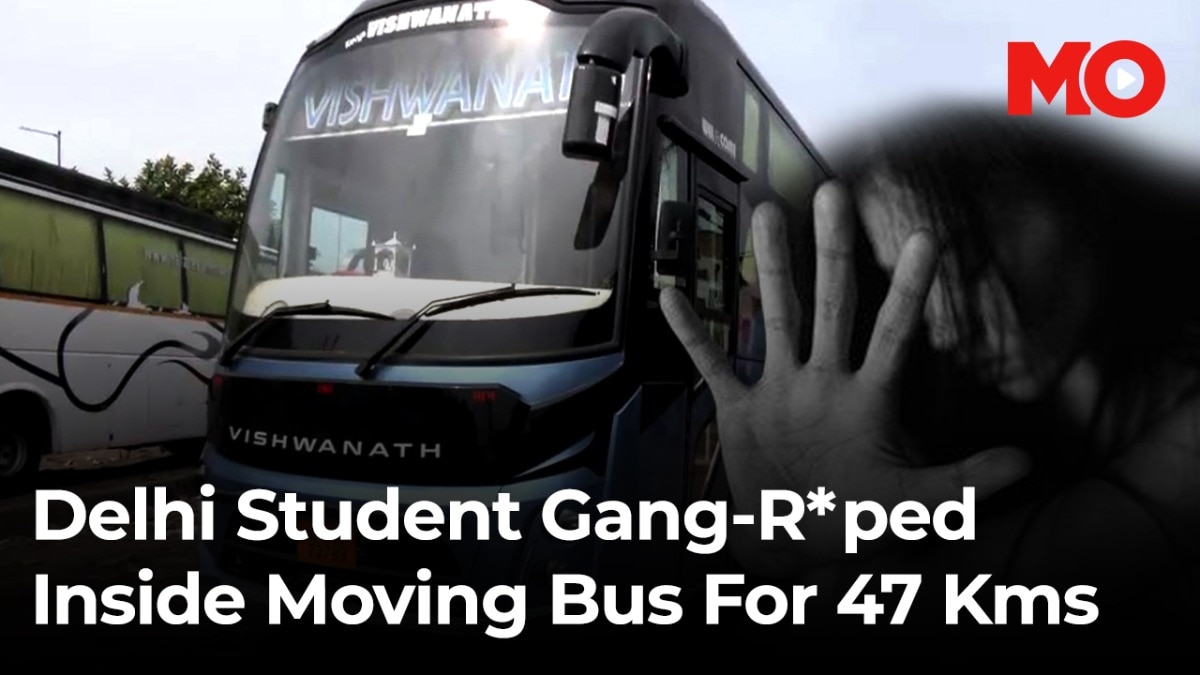
In a harrowing incident that has shaken the national capital, a student was subjected to a brutal gang-rape inside a moving bus for a distance of 47 kilometers.
- A female student was gang-raped inside a moving bus in Delhi.
- The ordeal lasted for approximately 47 kilometers of travel.
- Severe lapses in public transport safety and surveillance highlighted.
The national capital has been rocked by a stomach-churning crime where a student was targeted and brutally gang-raped inside a moving bus. The horror unfolded over a grueling 47-kilometer stretch, during which the victim was trapped and assaulted by multiple perpetrators. The sheer duration and location of the crime underscore a terrifying lack of safety for women in urban transit.
According to preliminary police reports, the attackers utilized the enclosed space of the vehicle to ensure the victim had no means of escape or calling for help. The police have launched a massive manhunt to apprehend the suspects, analyzing GPS data from the vehicle and scanning CCTV footage from various checkpoints along the 47km route.
Why This Matters
BozokMedia analysis shows that the persistence of such heinous crimes in a high-surveillance city like Delhi points to a critical failure in 'last-mile' security. While main roads are monitored, the interior of public and private transport vehicles remains a lawless zone, providing criminals with a mobile crime scene that evades immediate detection.
"The use of a moving vehicle as a crime scene is a calculated tactic to isolate the victim and delay the arrival of emergency services."
Historical context reveals that Delhi has been the epicenter of several high-profile sexual assault cases, leading to the overhaul of the Criminal Law (Amendment) Act. However, the recurring nature of these crimes suggests that legislative changes alone are insufficient without a radical shift in policing and societal attitudes toward women's safety.
Frequently Asked Questions
1. What is the current status of the investigation?
The police have registered a case under relevant sections of the BNS/IPC and are currently tracking the vehicle's movement via digital forensics.
2. Is the victim receiving medical help?
Yes, the survivor is currently under medical supervision and receiving psychological counseling to cope with the trauma.


