Agricultural unions in Punjab have launched massive protests across 22 districts, demanding MSP for multiple crops and the cancellation of the India-US trade deal. The movement marks a significant escalation in agrarian unrest over land pooling policies and labor codes.
- Massive protests led by Kisan Mazdoor Morcha (KMM) and BKU Ugrahan across 22 districts of Punjab.
- Key demands include MSP for Basmati, maize, moong, mustard, and potato, alongside complete loan waivers.
- Strong opposition to the Land Pooling Policy, India-US Trade Deal, and the Seed Act 2025.
- Indefinite dharnas launched with tractor-trolleys, specifically targeting DC offices in 17 districts.
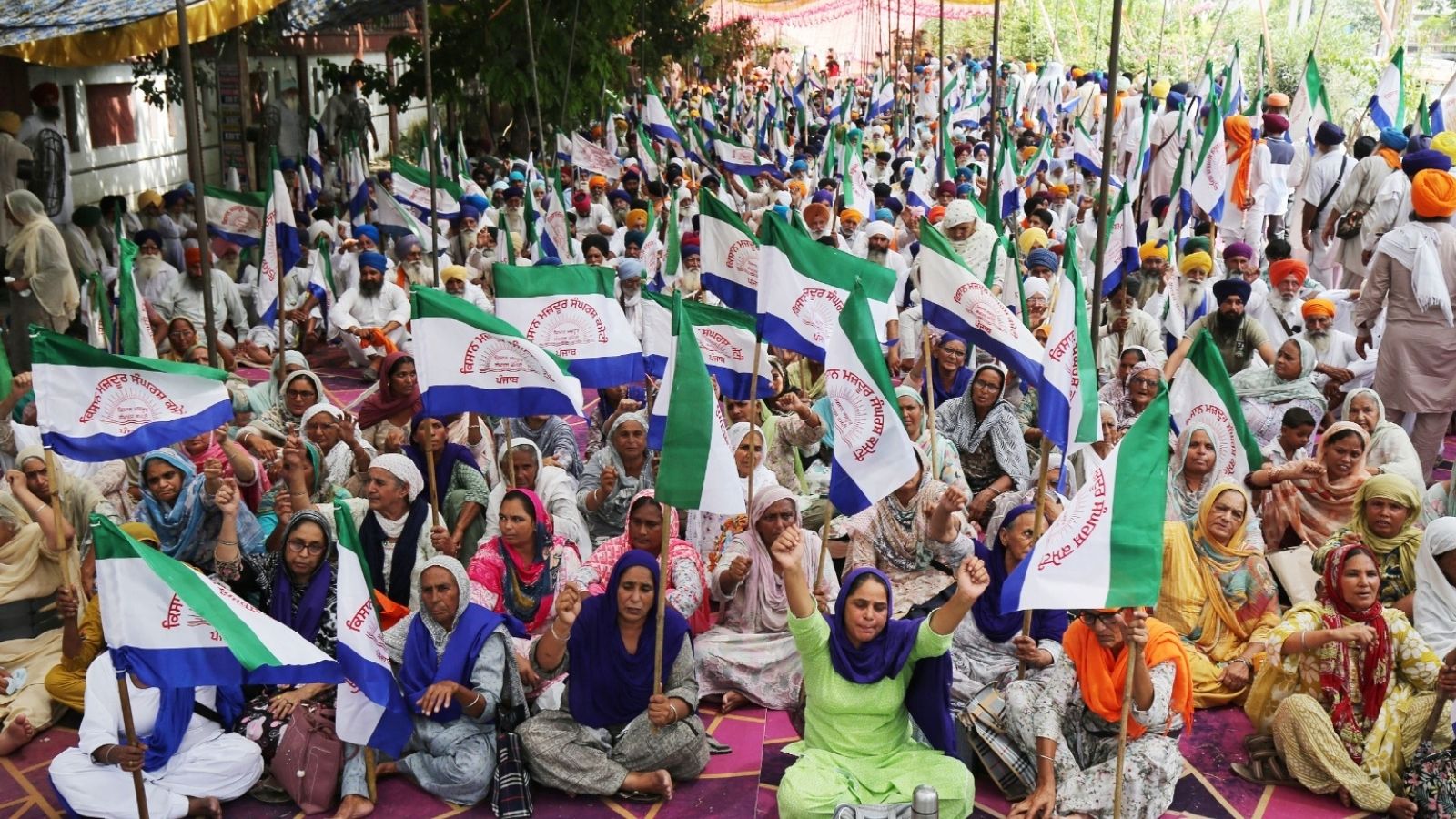
The agricultural landscape of Punjab witnessed a surge in tension on Monday as the Kisan Mazdoor Morcha (KMM) and the Bharatiya Kisan Union (Ekta) Ugrahan intensified their demonstrations. In a coordinated effort, the KMM organized day-long gatherings across all 22 districts of the state, primarily outside the Deputy Commissioner’s offices, while BKU Ugrahan continued its indefinite sit-ins in 17 districts, signaling a deepening rift between the farming community and the administration.
The scale of the protests was particularly evident in Amritsar, where hundreds of farmers, agricultural laborers, and youth converged to voice their grievances. The protestors are not merely seeking financial relief but are demanding a systemic overhaul of agricultural procurement. Their primary demands include the procurement of basmati, maize, moong, mustard, and potato crops at the Minimum Support Price (MSP), and a total loan waiver for both farmers and laborers to alleviate the crushing debt cycle.
Why This Matters
BozokMedia analysis shows that this protest is not just about local crop prices but represents a broader resistance against neoliberal trade policies and land acquisition strategies. By targeting the India-US trade deal and the Land Pooling Policy, farmers are expressing fear that global trade agreements and corporate-led land consolidation will erode the sovereignty of small-scale landholders and jeopardize food security.
Furthermore, the agitation has expanded to include legal and environmental concerns. The unions are demanding the withdrawal of police and railway cases registered during previous movements, as well as the cancellation of the Seed Act 2025, the Electricity Amendment Bill 2025, and the four controversial labour codes. There is also a growing demand for effective policies to combat groundwater depletion and air pollution, highlighting the ecological crisis facing the "breadbasket of India."
The intersection of trade diplomacy and grassroots agrarian distress in Punjab creates a volatile political environment that requires immediate structural dialogue rather than mere policing.
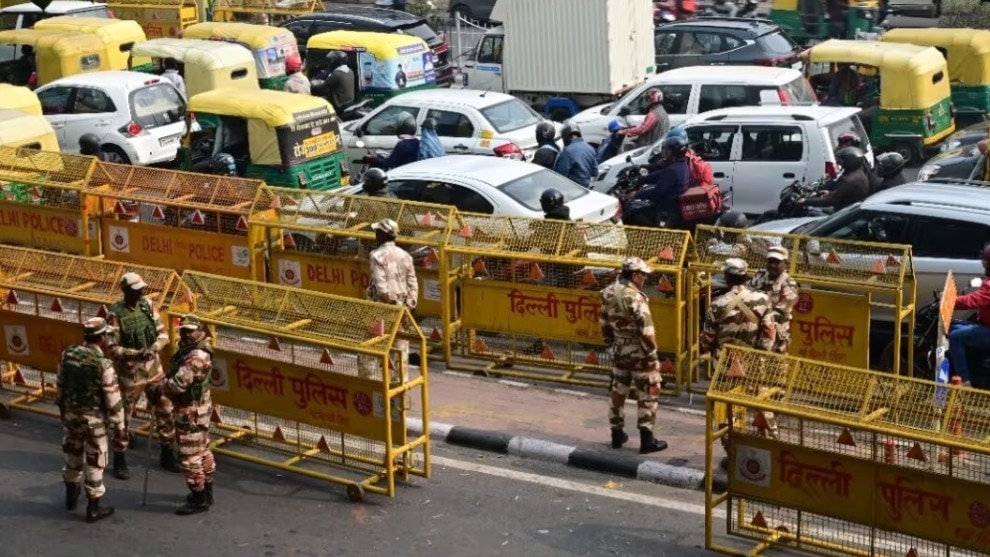
In districts like Bathinda and Sangrur, the situation has escalated with road blockades and the deployment of tractor-trolleys for overnight stays. BKU Ugrahan has specifically raised alarms over drone-based land surveys, warning that any teams entering agricultural fields for such surveys will face intense protests and gheraos, as these surveys are viewed as precursors to forced land acquisition.
Frequently Asked Questions
Q1: What is the primary reason for the protests against the India-US trade deal?
Farmers fear that such deals may open domestic markets to cheaper imports and corporate influence, undermining the MSP system and local farmers' livelihoods.
The farmers plan a major rally to commemorate the birth anniversary of revolutionary poet Avtar Singh Paash, using the occasion to further galvanize the movement.