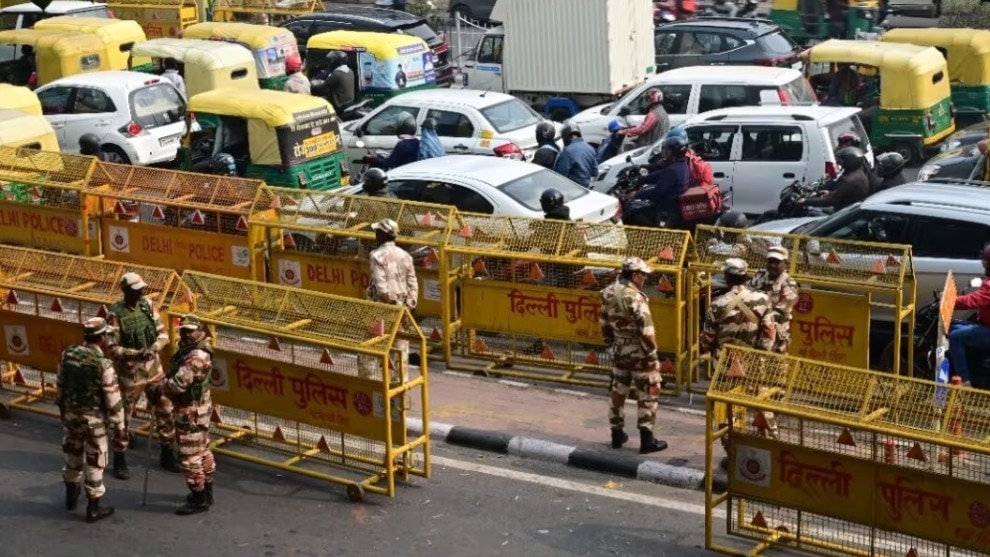
In a significant legal shift, the Central Government and four states have approached the Supreme Court to quash FIRs filed against students involved in protests. The move comes amidst commitments to the CJP and a push for national harmony.
- Central Government and four states seek to quash FIRs against student protesters.
- The Supreme Court is urged to invoke Article 142 for the closure of these cases.
- The CJP has called off its scheduled September 5 march following government initiatives.
The legal landscape regarding student activism in India has seen a dramatic turn as the Central Government, alongside four state governments, has formally petitioned the Supreme Court of India to quash First Information Reports (FIRs) registered against youth protesters. This strategic legal move aims to resolve the tension stemming from recent mass demonstrations, including those related to the NEET examination controversies.
The government's plea specifically requests the apex court to exercise its extraordinary powers under Article 142 of the Constitution. This article allows the Supreme Court to pass any decree or order necessary for doing complete justice in any cause or matter pending before it, effectively bypassing standard procedural hurdles to provide immediate relief to the affected students.
Why This Matters
BozokMedia analysis shows that this move is likely a calculated attempt to de-escalate national unrest and signal a gesture of goodwill toward the youth. By moving to withdraw cases, the administration seeks to prevent the further radicalization of student bodies and restore a sense of stability across educational hubs. This sets a precedent for how the state handles dissent when it reaches a critical mass.
"The invocation of Article 142 in cases of political protest indicates a shift from a punitive approach to a reconciliatory one by the state."
Historically, student protests in India have often led to prolonged legal battles and academic disruptions. From the anti-reservation protests of the past to the recent NEET-related unrest, the cycle of FIRs followed by years of litigation has often left students in a state of professional limbo. The current effort to quash these cases collectively represents a departure from the traditional 'hardline' approach.
The CJP (Campaign for Justice and Peace) had previously planned a massive march on September 5. However, in light of the government's proactive approach to the Supreme Court, the organization has decided to call off the march, citing the government's commitment to resolving the legal plight of the protesters.
Frequently Asked Questions
Q1: What is the significance of Article 142 in this case?
It allows the Supreme Court to quash FIRs directly to ensure justice, even if the standard legal procedure for withdrawing cases in lower courts is time-consuming.
Q2: Why did the CJP cancel the September 5 march?
The march was called off because the government demonstrated a commitment to legal relief by moving the Supreme Court to withdraw cases.