A government monitoring program has detected pesticide residues above FSSAI safety limits in thousands of food samples across India, raising urgent concerns over public health and regulatory gaps.
- 2,223 out of 70,652 food samples tested between 2023-2026 exceeded safety limits.
- Karnataka recorded the highest number of violations with 334 unsafe samples.
- Concerns raised over the sale of pesticides in India that are banned in the US and Japan.
A comprehensive government monitoring initiative has uncovered a disturbing trend in India's food supply chain. Data from the Ministry of Agriculture's National Pesticide Residue Monitoring (MPRNL) programme reveals that 2,223 food samples collected between 2023 and 2026 contained pesticide residues far exceeding the Maximum Residue Limits (MRLs) set by the Food Safety and Standards Authority of India (FSSAI).
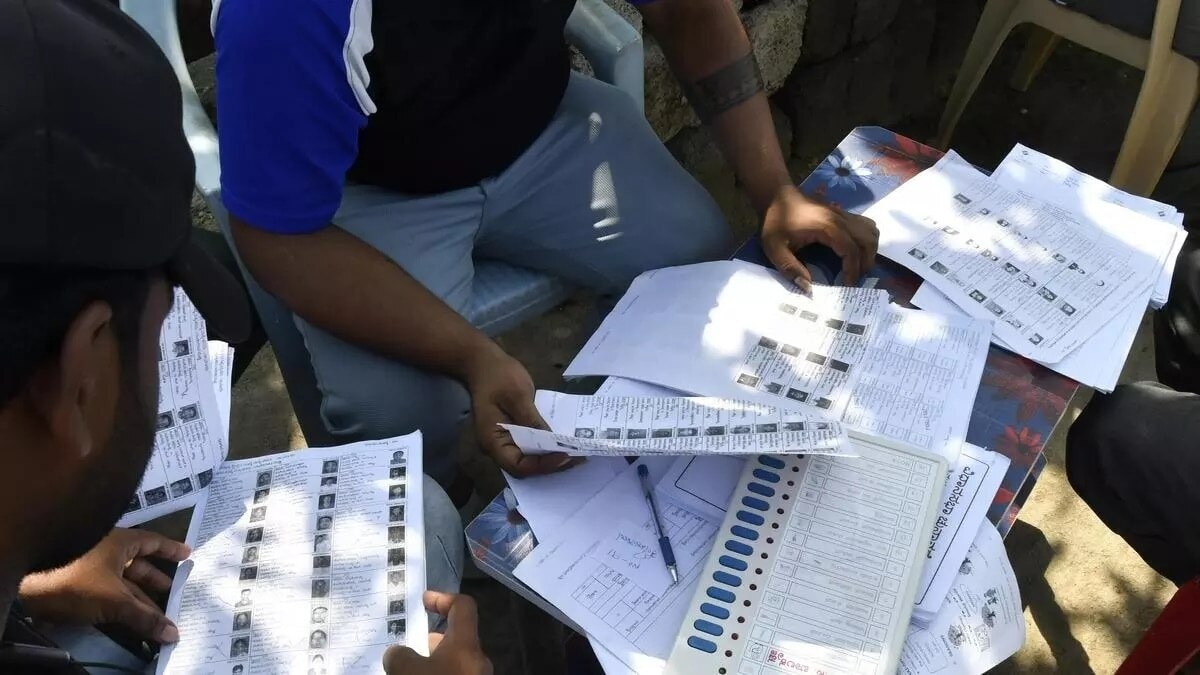
The scope of the study was vast, covering 70,652 samples of vegetables, fruits, spices, cereals, pulses, tea, milk, and eggs. These samples were sourced from 23 states and Union Territories, highlighting a systemic issue that spans the entire geography of the country.
Regional Analysis: Karnataka and Maharashtra at Risk
The data indicates a disproportionate concentration of pesticide residues in certain agricultural hubs. Karnataka emerged as the most affected state, with 334 samples exceeding limits out of 9,176 tested. Maharashtra followed closely with 260 unsafe samples, while Gujarat and Haryana also reported significant numbers.
| State | Total Samples Tested | Unsafe Samples |
|---|---|---|
| Karnataka | 9,176 | 334 |
| Maharashtra | 5,295 | 260 |
| Gujarat | 6,035 | 170 |
| Haryana | 2,371 | 152 |
Why This Matters
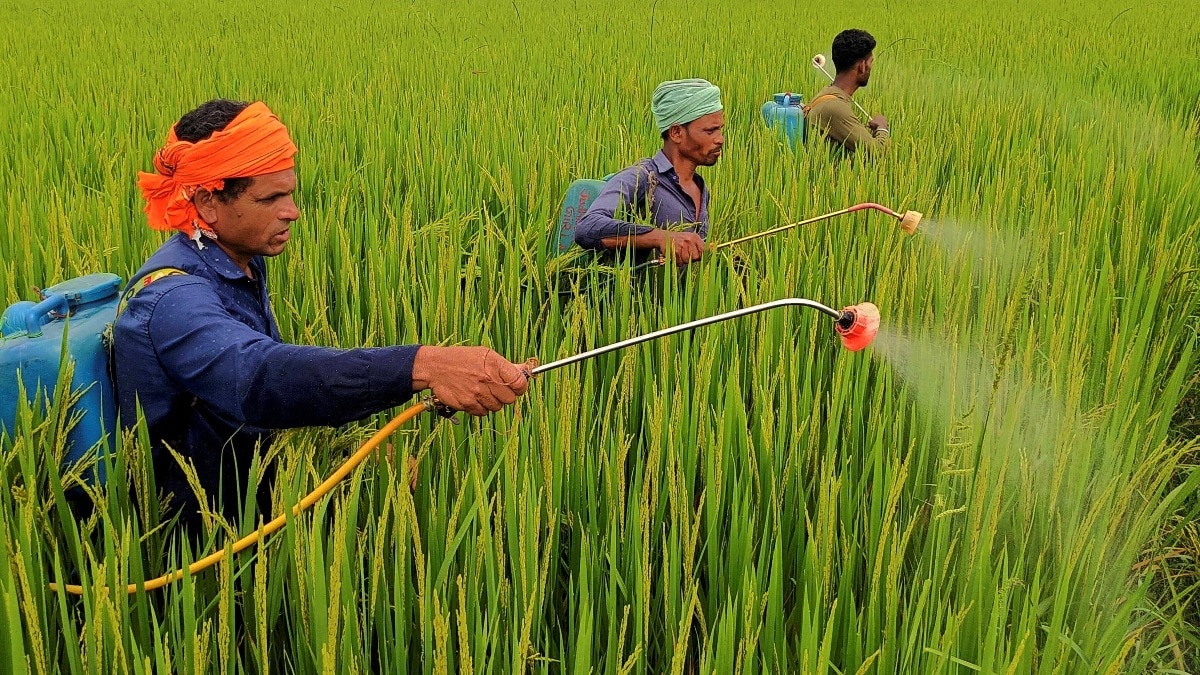
BozokMedia analysis shows that relying on national pesticide consumption averages is a dangerous fallacy. While India's per-hectare average may seem low, the concentration in high-value crops (fruits and vegetables) meant for direct consumption is alarmingly high. Exposure to organophosphates and endocrine-disrupting chemicals is linked to cancer, hormonal imbalances, and severe developmental issues in unborn children.
"The persistence of banned chemicals in the Indian market suggests a regulatory failure that prioritizes agrochemical profits over public health."
The Global Gap and Testing Infrastructure
The report brings to light a critical discrepancy: chemicals prohibited in the US, Germany, and Japan continue to be manufactured and sold in India. This raises profound questions about the influence of agrochemical lobbies on the domestic regulatory framework.
Furthermore, the lack of local testing infrastructure leaves consumers vulnerable. There is currently no viable way for a citizen to test their food at the local level. The report advocates for the establishment of government laboratories at mandis (wholesale markets) and block levels to intercept contaminated produce before it reaches the household.
Frequently Asked Questions
Q1: What is the FSSAI MRL?
A: MRL stands for Maximum Residue Limit, which is the highest level of a pesticide residue legally tolerated in food to ensure it remains safe for human consumption.
Q2: What are the recommended solutions to this crisis?
A: The report suggests mandatory testing at agricultural markets, banning chemicals that are prohibited globally, and appointing independent scientists to FSSAI without financial ties to chemical companies.