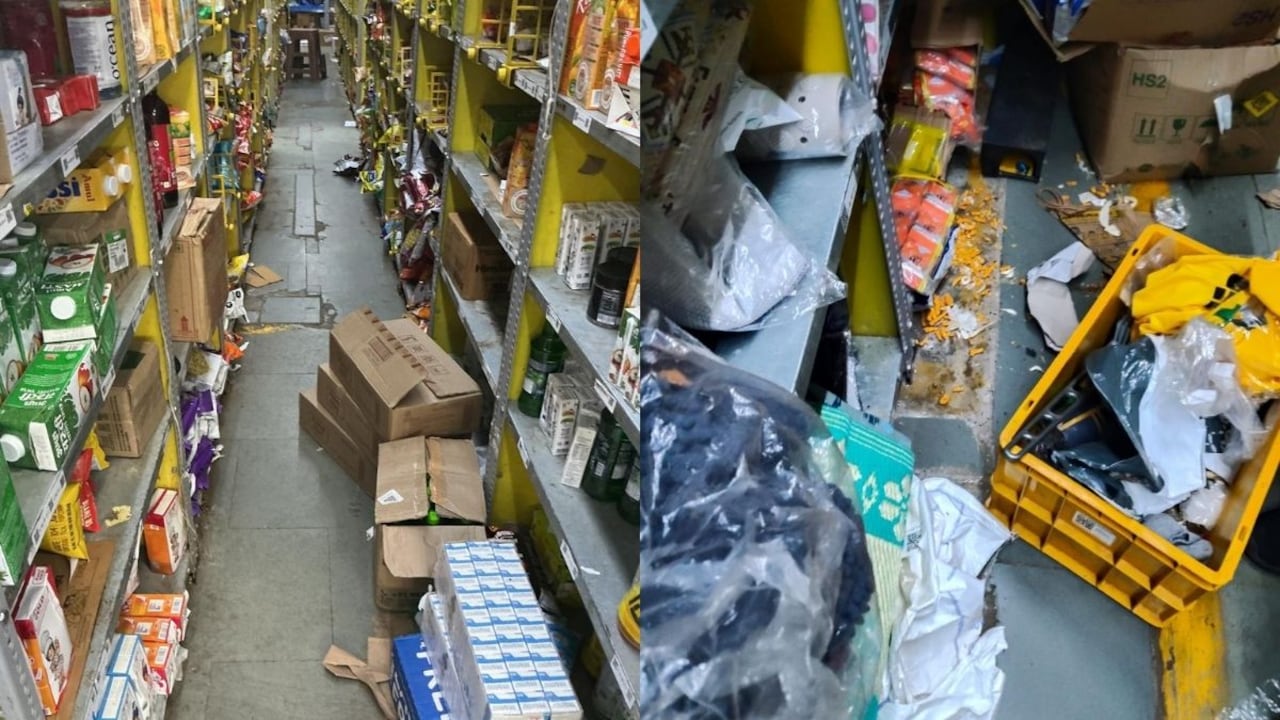
Authorities have suspended the food licences of a Blinkit outlet and a Mumbai hotel following a re-inspection that uncovered severe hygiene and storage violations. This move comes amid intensified scrutiny of quick-commerce and food service providers.
- Food licences for a Blinkit outlet and a Mumbai hotel have been suspended.
- Re-inspection revealed critical hygiene and storage violations.
- Food regulators are increasing scrutiny on quick-commerce and food joints.
In a decisive move to uphold public health standards, food safety authorities in Mumbai have suspended the operating licences of a Blinkit outlet and a local hotel. The suspension follows a rigorous re-inspection process that uncovered significant lapses in hygiene protocols and improper food storage methods.
During the inspection, officials noted that the facilities failed to maintain the required sanitary conditions and did not adhere to mandatory temperature controls for food storage. Such violations pose a direct risk to consumer health and violate the core mandates of food safety regulations.
Why This Matters
BozokMedia analysis shows that this crackdown is a direct response to the rapid expansion of the quick-commerce sector. As platforms like Blinkit redefine consumer convenience through ultra-fast delivery, regulatory bodies are pivoting their focus toward the 'dark stores' and distribution hubs that power these services. This incident serves as a stern warning that operational speed cannot come at the expense of food safety compliance.
Regulatory scrutiny is shifting from traditional brick-and-mortar restaurants to the high-velocity world of quick-commerce logistics.
The suspension highlights the growing tension between rapid fulfillment and stringent safety standards. Regulators are now implementing more frequent, unannounced inspections to ensure that the supply chain remains uncompromised as the industry scales.
Historical Background
The evolution of food regulation in India has seen a massive shift with the rise of digital-first food models. While the FSSAI traditionally focused on retail and dining establishments, the emergence of cloud kitchens and quick-commerce dark stores has necessitated a new, more agile inspection framework to monitor decentralized storage units.
Frequently Asked Questions
1. What happens after a food licence is suspended?
The establishment must cease all food-related operations immediately and rectify all identified violations before applying for reinstatement.
2. Is this specific to Blinkit?
While this action was taken against a specific outlet, it reflects a broader regulatory trend targeting all quick-commerce players to ensure compliance.