Delhi Police has sought the quashing of 13 FIRs related to CJP protests while requesting permission to file fresh cases against 2,873 individuals with serious criminal backgrounds.
- Delhi Police seeks quashing of 13 FIRs linked to CJP protests held between July 20-25.
- Permission sought to file new FIRs against 2,873 persons with 'serious criminal antecedents'.
- Supreme Court to hear Centre's plea to quash FIRs against NEET protest students on Sept 1.
In a strategic legal move, the Delhi Police has approached the Supreme Court seeking the quashing of 13 First Information Reports (FIRs) stemming from the CJP (Cockroach Janata Party) protests that took place between July 20 and July 25. This application follows a decision taken by the Central Government on July 25.
However, the police have simultaneously requested the court's permission to initiate fresh legal proceedings against 2,873 individuals. The police have identified these persons as having 'serious criminal backgrounds.' This distinction is based on the Supreme Court's August 3 clarification regarding the interpretation of 'criminal antecedents,' ensuring that only habitual offenders are targeted while genuine protesters are spared.
Why This Matters
BozokMedia analysis shows that this is a calculated 'filtration' strategy. By quashing broad FIRs and replacing them with targeted charges against professional agitators, the state aims to reduce public friction while maintaining a grip on perceived threats. It marks a shift from blanket policing to a more surgical legal approach.
"The move to quash general FIRs and file specific ones against 'criminal antecedents' is a tactical maneuver to balance political optics with law enforcement goals."
Parallel to this, the Supreme Court is set to hear a plea from the Central Government on September 1 regarding students involved in the NEET paper leak protests. Invoking Article 142 of the Constitution, the Centre is seeking the quashing of FIRs against students, arguing for a compassionate and just resolution.
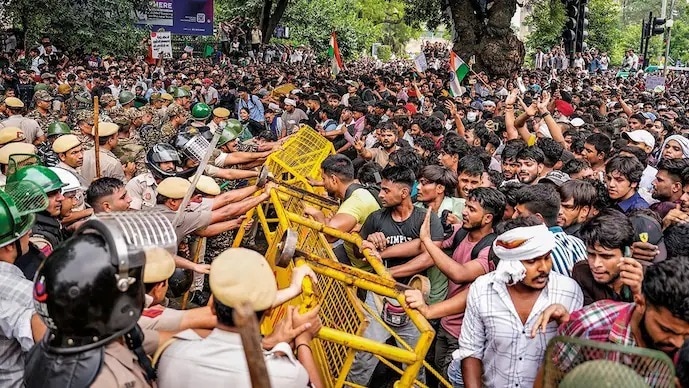
Historically, the protests began on June 20 at Jantar Mantar and escalated into a nationwide movement against irregularities in the NEET examinations. The situation peaked during the July 20 Parliament March, where security forces used lathicharges and tear gas to disperse crowds attempting to breach security cordons.
To address the allegations of police brutality and systemic failures, the Supreme Court had previously constituted a high-level inquiry committee led by former judge Justice R. Subhash Reddy. This committee was tasked with investigating the excesses committed during the student protests.
Case Comparison
| Feature | CJP Protest Case | NEET Student Case |
|---|---|---|
| Police/Govt Request | Quash 13 FIRs; New FIRs for 2,873 | Quash all FIRs against students |
| Legal Basis | Criminal Antecedents Filter | Article 142 (Complete Justice) |
| Current Status | Application Filed | Hearing on Sept 1 |
Frequently Asked Questions
1. Why does Delhi Police want to quash 13 FIRs?
The move is based on a Central Government decision and the Supreme Court's guidance to separate genuine protesters from those with serious criminal records.
2. What is the significance of Article 142 in the NEET case?
It allows the Supreme Court to bypass standard procedural hurdles to ensure a fair and just outcome for the students involved.