Nearly a week after catastrophic flash floods ravaged Nepal, rescue teams have finally accessed isolated regions and restored electricity. With the death toll exceeding 1,000, the nation now grapples with immense loss and climate instability.
- Death toll has surpassed 1,000 with thousands still reported missing.
- Rescue operations have successfully reached the most remote, cut-off villages.
- Electricity services restored after a week of total blackout in affected zones.
- Nepal's PM calls for urgent international climate action and funding.
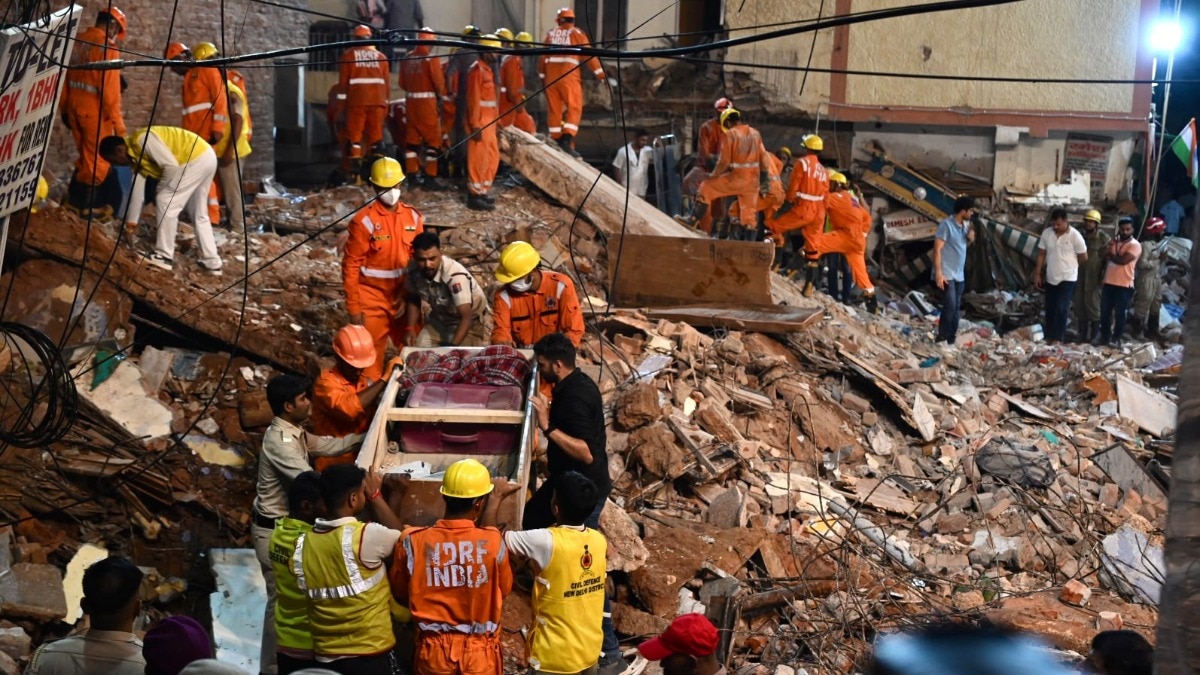
In a critical turning point for the disaster response effort, rescue teams in Nepal have finally penetrated the most remote regions that were severed from the rest of the country by massive landslides. Following nearly a week of chaos and darkness, the restoration of electricity marks a symbolic and practical victory in the recovery process, allowing communication lines to reopen and medical facilities to function again.
The scale of the devastation is staggering. Flash floods, triggered by unprecedented monsoon rainfall, swept through valleys and urban centers, leaving a trail of destruction. Official figures indicate that the death toll has crossed the 1,000 mark, while thousands remain missing, feared dead beneath debris or swept away by raging torrents.
Why This Matters
BozokMedia analysis shows that this disaster is a textbook example of the 'climate gap.' Nepal, despite its negligible carbon footprint, is bearing the brunt of global warming. The collapse of infrastructure during this event reveals a systemic failure in regional urban planning and a desperate need for climate-resilient engineering in the Himalayan belt.
"The catastrophe in Nepal is not an isolated weather event but a symptom of a warming planet destabilizing the Third Pole."
The crisis has also spilled into the geopolitical arena. Beijing has vehemently rejected reports suggesting Chinese involvement or negligence regarding dam management, labeling such claims as 'malicious speculation.' Meanwhile, the Prime Minister of Nepal has used this tragedy to pivot the global conversation toward 'Climate Justice,' demanding that developed nations pay for the damages caused by their emissions.
Historically, Nepal has always been prone to monsoon flooding, but the frequency and intensity of these events have escalated. The combination of deforestation and unplanned construction on riverbanks has exacerbated the vulnerability of the population, turning seasonal rains into lethal disasters.
Frequently Asked Questions
Q1: What caused the sudden increase in casualties in Nepal?
A: The combination of flash floods and simultaneous landslides trapped thousands in remote areas, making immediate rescue operations nearly impossible for the first few days.
Q2: What is the current status of the infrastructure?
A: While electricity is being restored, roads and bridges remain severely damaged, hindering the full distribution of aid to the highlands.