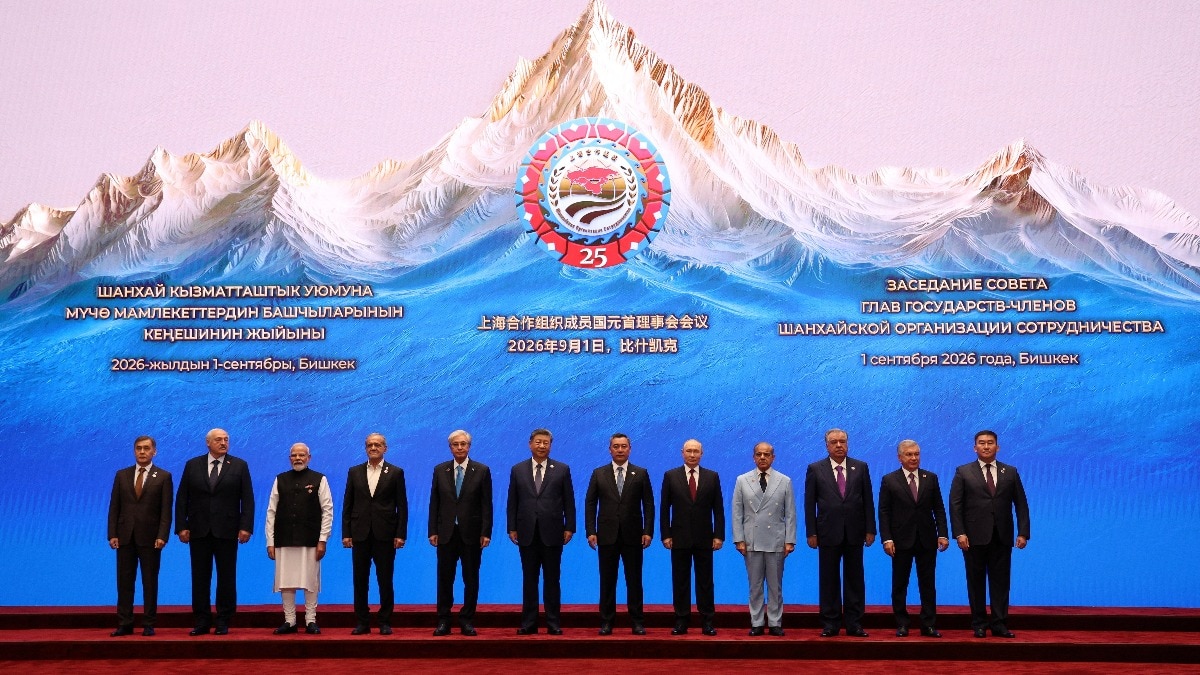
In a significant diplomatic moment at the SCO Summit, Prime Minister Narendra Modi and Chinese President Xi Jinping shared a formal handshake, while Pakistan's Shehbaz Sharif engaged in strategic talks with Vladimir Putin.
- PM Modi and President Xi Jinping engaged in a formal greeting, signaling a cautious diplomatic thaw.
- Pakistan Prime Minister Shehbaz Sharif held separate discussions with Russian President Vladimir Putin.
- The SCO Summit serves as a critical platform for Eurasian security and economic cooperation.
The Shanghai Cooperation Organization (SCO) summit has once again become the epicenter of global geopolitical maneuvering. In a moment that captured the attention of diplomats worldwide, Prime Minister Narendra Modi and Chinese President Xi Jinping were seen shaking hands, a gesture that carries immense weight given the strained bilateral relations between New Delhi and Beijing over border disputes.
While the interaction was brief and formal, it represents a critical point of contact in a relationship characterized by a 'frozen' diplomatic state since the Galwan Valley clashes. Observers note that such high-level visibility is often a precursor to deeper diplomatic engagements or a signal to the international community that both giants are open to stability.
Why This Matters
BozokMedia analysis shows that the SCO summit is no longer just a regional security forum but a battleground for influence in Central Asia. The juxtaposition of the Modi-Xi greeting and Shehbaz Sharif's proactive outreach to Vladimir Putin highlights the shifting alliances. Pakistan is increasingly looking toward Moscow to balance its economic dependencies and secure energy partnerships.
The symbolic nature of a handshake between India and China at a multilateral forum often masks deep-seated strategic mistrust, yet it provides the necessary diplomatic oxygen for future dialogue.
Parallel to the India-China dynamic, Pakistan's Prime Minister Shehbaz Sharif strategically pulled Russian President Vladimir Putin for a side conversation. This move underscores Islamabad's desire to diversify its strategic partners beyond China and the United States, particularly in the realms of oil imports and regional security.
Historically, the SCO has struggled to maintain cohesion among its members due to the inherent rivalry between India and China. However, the organization's expansion and the current global shift toward a multipolar world order are forcing these nations to find a common ground, if only for the sake of regional stability.
Frequently Asked Questions
Q1: Does the Modi-Xi handshake mean border tensions are resolved?
No, a formal greeting at a summit is a diplomatic protocol and does not necessarily indicate a resolution of the underlying territorial disputes.
Q2: Why is Pakistan engaging more with Russia?
Pakistan is seeking more affordable energy resources and strategic diplomatic support to stabilize its volatile economy.

