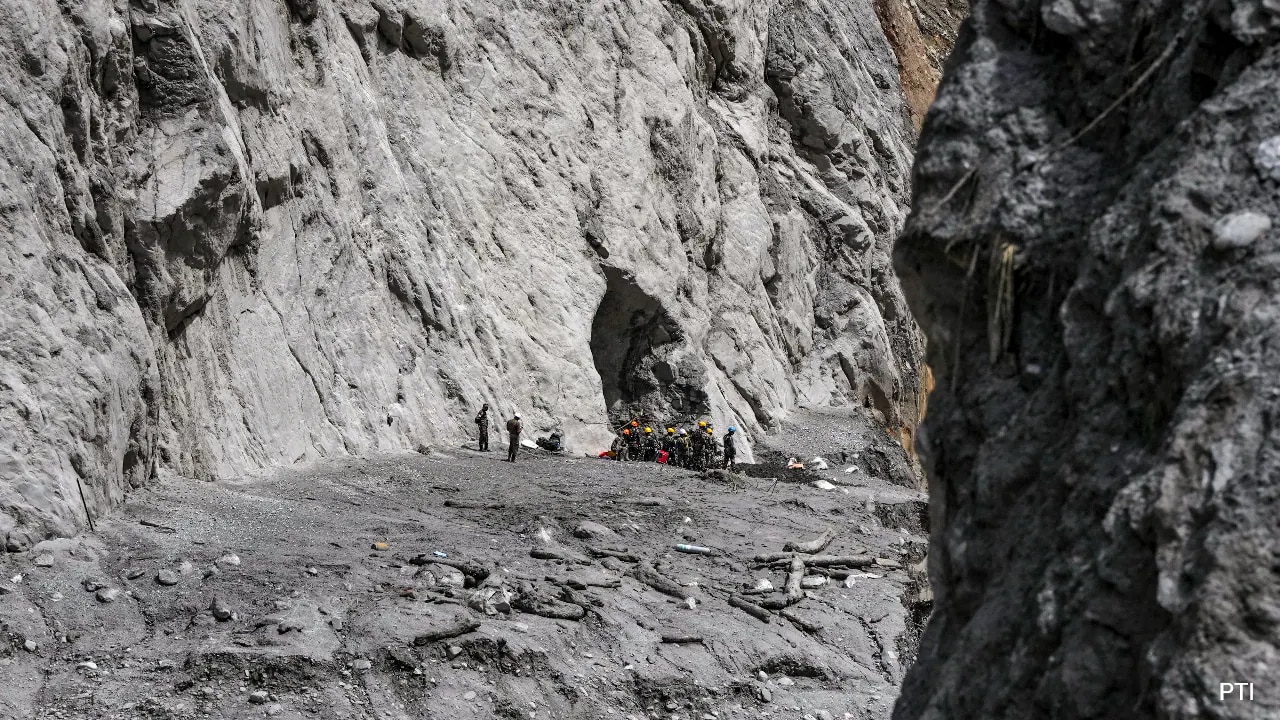
In a proactive response to the devastating floods in Nepal, Sikkim has deployed advanced sensors across 16 high-vulnerability glacial lakes to mitigate the risk of catastrophic outbursts.
- Sikkim monitors over 400 glacial lakes of varying sizes.
- 16 lakes identified as high-vulnerability through rigorous assessment.
- Real-time sensors installed to prevent Glacial Lake Outburst Floods (GLOF).
The state of Sikkim has significantly upgraded its disaster preparedness by installing specialized monitoring sensors in 16 of its most volatile glacial lakes. This strategic move comes as a direct reaction to the recent catastrophic flooding in Nepal, which underscored the extreme vulnerability of Himalayan regions to sudden glacial melt and lake breaches.
Sikkim's rugged terrain hosts more than 400 glacial lakes. Following a comprehensive high-vulnerability assessment, authorities pinpointed 16 lakes that pose the greatest threat to downstream populations. These lakes are prone to breaching due to seismic activity, landslides, or accelerated melting caused by rising global temperatures.
Why This Matters
BozokMedia analysis shows that the acceleration of the 'Third Pole's' melting process is creating a ticking time bomb for South Asian nations. The installation of these sensors marks a shift from reactive to proactive disaster management. By capturing real-time water level fluctuations, the state can now issue early warnings, potentially saving thousands of lives.
"The integration of IoT sensors in glacial monitoring is the only way to combat the unpredictable nature of climate-induced disasters in the Himalayas."
Historically, the region has been plagued by flash floods and landslides. The new system integrates ground-level sensor data with satellite imagery to provide a holistic view of lake stability. This prevents the 'blind spots' that often lead to unexpected tragedies during the monsoon season.
| Feature | Traditional Monitoring | Sensor-Based Monitoring |
|---|---|---|
| Data Frequency | Periodic/Manual | Real-time/Automated |
| Accuracy | Estimated | High Precision |
| Warning Lead Time | Minimal | Significant (Golden Hour) |
Frequently Asked Questions
1. What is a GLOF?
GLOF stands for Glacial Lake Outburst Flood, occurring when the natural dam containing a glacial lake fails.
2. How many lakes are monitored in Sikkim?
While there are over 400 lakes, 16 are currently under high-intensity sensor monitoring.