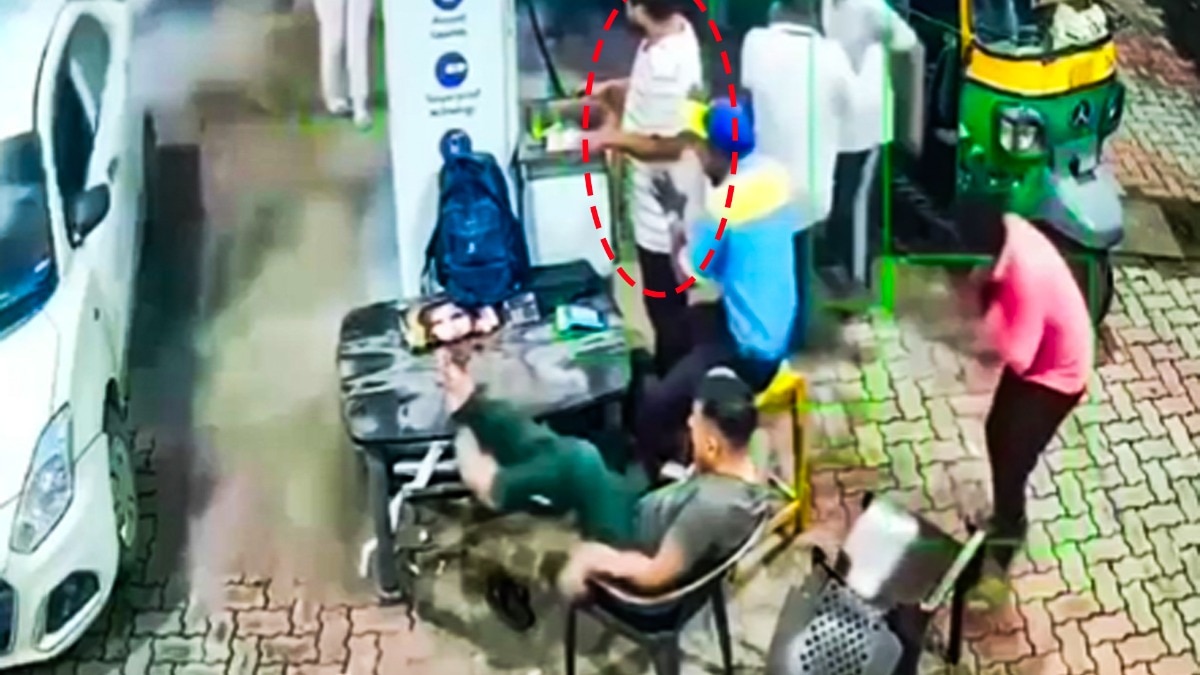
A devastating accident occurred at a petrol pump where a high-pressure CNG pipe burst, sending the nozzle directly into a worker's head, resulting in immediate fatality.
- A CNG filling pipe burst unexpectedly at a fueling station.
- The high-pressure nozzle struck a worker's head, causing instant death.
- Viral footage of the incident has sparked debates over safety protocols.
A routine day at a petrol pump turned into a nightmare when a CNG (Compressed Natural Gas) filling pipe suffered a catastrophic failure. The force of the compressed gas was so immense that upon bursting, the fueling nozzle was propelled with lethal velocity, striking a worker directly in the head. The impact was fatal, and the worker passed away on the spot.
The incident has sent shockwaves through the community, especially as video evidence suggests the suddenness of the blast. CNG is stored and transported under extreme pressure, and any compromise in the integrity of the piping or the coupling mechanisms can lead to such violent failures. Authorities are now investigating whether the equipment had undergone the mandatory safety certifications.
Why This Matters
BozokMedia analysis shows that this incident highlights a systemic failure in the periodic auditing of high-pressure gas equipment at retail outlets. When safety valves and pressure regulators fail, the equipment transforms from a utility tool into a lethal weapon, endangering both workers and customers.
"High-pressure gas leaks and equipment bursts are often the result of ignored wear-and-tear and lack of certified pressure-testing cycles."
Historically, gas station accidents have been linked to the use of substandard materials and a lack of rigorous maintenance schedules. In many regions, the rapid expansion of CNG infrastructure has outpaced the implementation of strict safety oversight, leading to preventable tragedies like this one.
Frequently Asked Questions
Q1: What causes a CNG pipe to burst during fueling?
A: Common causes include material fatigue, corrosion, faulty valves, or exceeding the maximum rated pressure of the pipe.
Q2: How can such accidents be prevented?
A: Through rigorous periodic pressure testing, using certified high-grade alloys for piping, and ensuring staff wear protective headgear.


