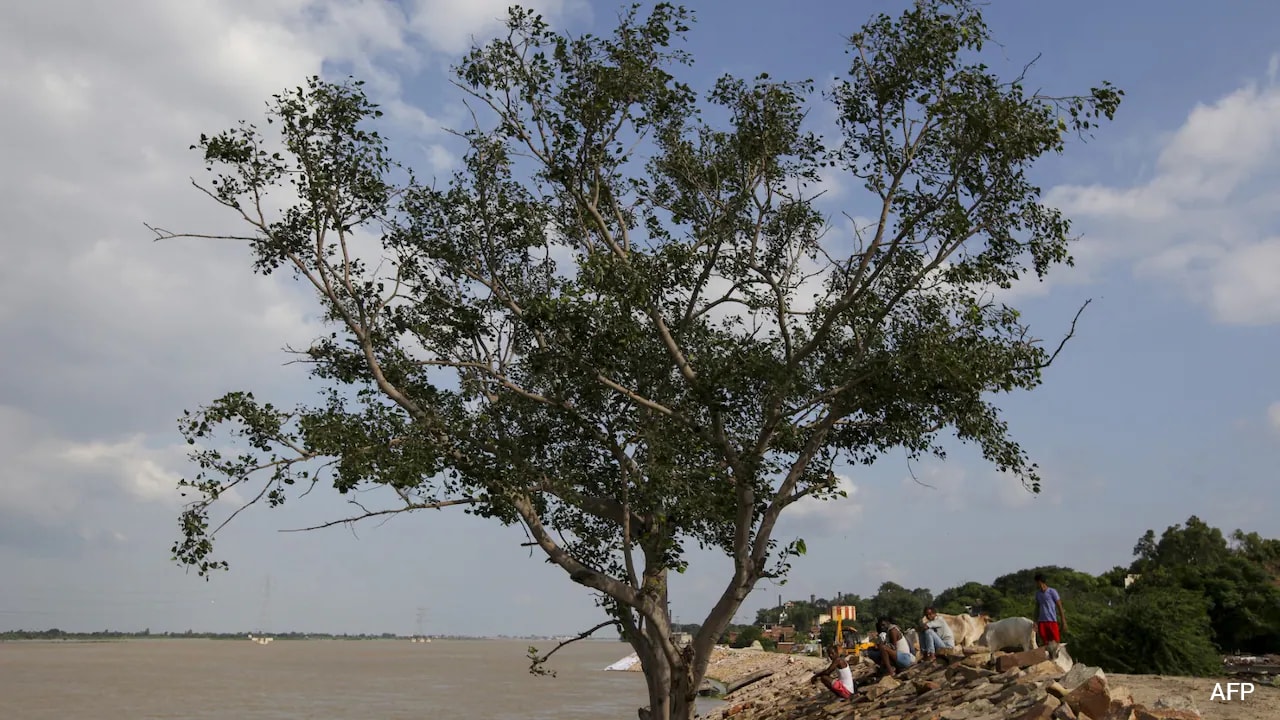
External Affairs Minister S. Jaishankar has assured that the concerns of Bihar will be addressed prior to the renewal of the Ganga water treaty. This comes as the Farakka pact faces scrutiny ahead of its December expiry.
- S. Jaishankar assured Bihar's interests will be considered in the Ganga treaty renewal.
- The Farakka pact is set to expire in December, causing regional uncertainty.
- West Bengal and Bihar have distinct demands regarding water-sharing agreements.
- Issues are expected to be resolved through the Joint River Commission (JRC).
External Affairs Minister S. Jaishankar has signaled a significant shift in diplomatic approach by stating that the Government of India will take Bihar's specific concerns into account before renewing the Ganga water treaty. This statement arrives at a critical juncture as the Farakka Pact approaches its expiration in December, triggering intense debate over water security in the Indo-Gangetic plain.
The state of Bihar has consistently voiced apprehensions regarding the equitable distribution of Ganga waters. Local leadership argues that any reduction in water flow could devastatingly impact the state's massive agricultural sector and the fragile ecology of the river basin. There is a growing fear that unfavorable treaty terms could lead to water scarcity in crucial irrigation zones.
Why This Matters
BozokMedia analysis shows that the management of transboundary and inter-state rivers is a high-stakes geopolitical issue. The renewal of the Ganga treaty is not merely a technicality but a socio-economic necessity that impacts millions of livelihoods. Failure to harmonize the interests of Bihar and West Bengal could lead to prolonged legal battles and domestic political friction.
Effective water diplomacy must balance ecological preservation with the socio-economic demands of riparian states.
Simultaneously, West Bengal has approached the Centre, urging protection of its own interests within the Ganga-Padma water-sharing framework. This creates a complex multi-state dynamic where the Centre must act as an impartial arbiter between competing regional demands.
Historical Background
The history of water sharing in the Ganga basin is fraught with tension. Since the implementation of the Farakka Barrage, the management of siltation and water discharge has been a point of contention between upstream and downstream users. The Joint River Commission (JRC) remains the primary institutional mechanism for addressing these disputes, yet the looming deadline has intensified the urgency for a modern, consensus-based agreement.
Frequently Asked Questions
Question 1: When does the Farakka pact expire?
Answer: The current agreement is set to expire in December.
Question 2: What is the role of the JRC?
Answer: The Joint River Commission is tasked with discussing and resolving water-sharing issues through technical and diplomatic channels.