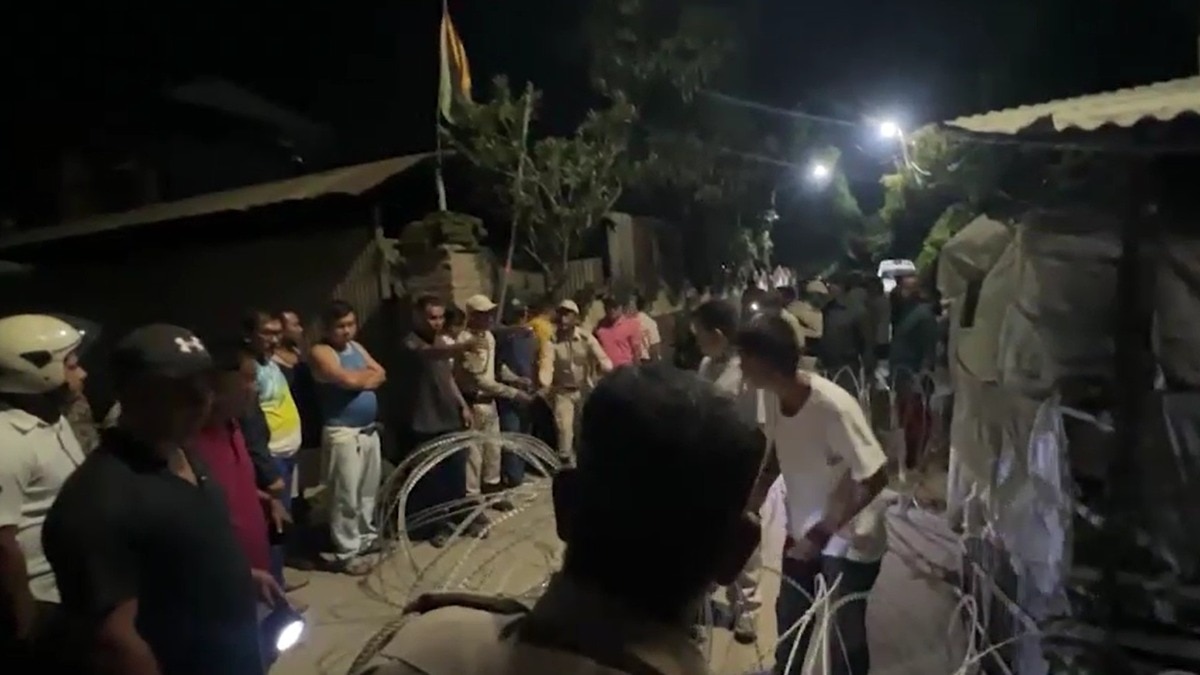
Spanish PM Pedro Sanchez has dismissed claims that Morocco planned the massive influx of 70,000 migrants into Ceuta, despite a police report suggesting security lapses at the border.
- PM Pedro Sanchez stated no evidence exists of a Moroccan-orchestrated border rush.
- Approximately 72,000 people surged into the Ceuta enclave in late July.
- A police report alleges Moroccan forces failed to effectively disperse the crowds.
- Mass protests are erupting across Spain against the government's handling of the crisis.
Spanish Prime Minister Pedro Sanchez addressed the parliament on Thursday, categorically denying allegations that Morocco orchestrated the massive surge of approximately 70,000 people into the North African enclave of Ceuta last month. His comments come in response to a controversial police report suggesting the July border rush was a deliberate attempt to overwhelm Spanish border controls.
"I can assure you that no institution – not the diplomatic service nor the European Commission nor any international body – has provided the Spanish government with any solid evidence that Morocco planned or carried out the incident. None whatsoever," Sanchez stated firmly. However, he did acknowledge a critical window of vulnerability, noting that Moroccan police allowed crossings to occur during a 10-hour peak period on July 30. Spanish authorities are still investigating whether this was due to intentional inaction or an inability to manage the influx.
Why This Matters
BozokMedia analysis shows that this crisis transcends simple migration management; it touches upon the delicate geopolitical balance between Spain, Morocco, and the European Union. The ability of Spain to secure its enclaves is central to its national sovereignty and its standing within the EU security framework.
The intersection of migration surges and geopolitical tension creates a volatile environment where security failures can quickly escalate into international diplomatic crises.
The scale of the event was unprecedented. In late July, an estimated 72,000 people swarmed into Ceuta, a Spanish territory with a population of only 84,000. A police report commissioned by a High Court judge alleged that Moroccan security forces were deployed in unusually small numbers near the border and made minimal attempts to disperse the approaching crowds.
Historical Background
Ceuta and Melilla are Spanish enclaves located on the North African coast. They have long been subjects of territorial tension, with Morocco frequently questioning Spanish sovereignty. Migration has historically been a sensitive lever in the diplomatic relations between Rabat and Madrid, often used during periods of political friction.
| Aspect | Police Report Allegations | Government Position |
|---|---|---|
| Intentionality | Planned to overwhelm controls | No evidence of planning |
| Security Response | Deliberate inaction/under-deployment | Under investigation |
Frequently Asked Questions
1. How many migrants entered Ceuta in July?
Approximately 72,000 people attempted to cross into the enclave.
2. What is the current status of the migrants?
While many were returned, about 5,000 people, including 1,200 children, remain in the city.