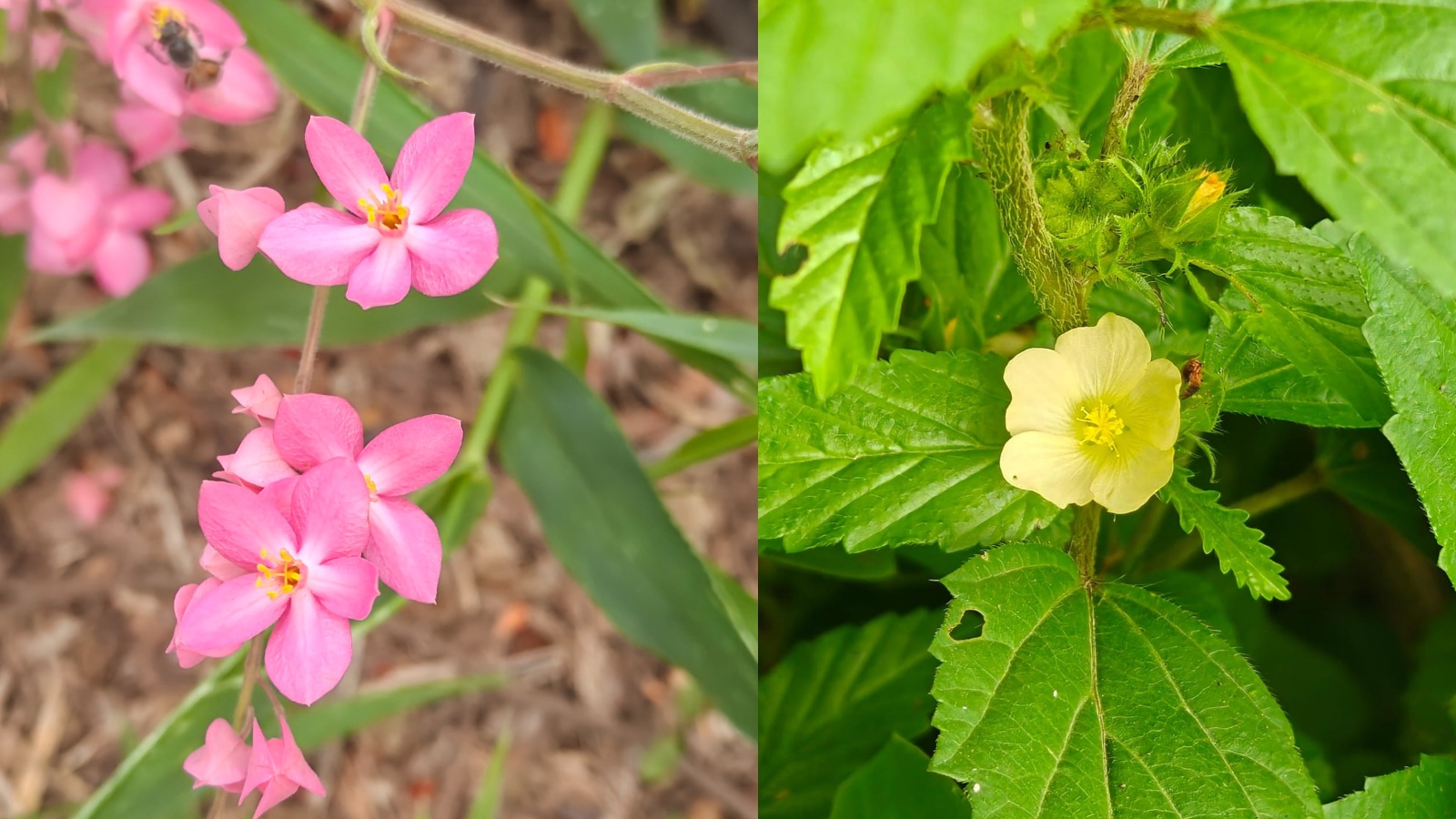
The RRBCEA in Pune is shifting the narrative on 'weeds' by launching a dedicated booklet and hosting a 'Weed Walk' to celebrate their vital ecological roles. Instead of viewing them as nuisances, this initiative highlights their contribution to biodiversity and soil health.
- RRBCEA is celebrating its 9th Foundation Day with a 'Weed Walk' and the launch of a new research booklet.
- The booklet documents 59 weed species found in Empress Botanical Garden, emphasizing their ecological value.
- Experts argue that 'weeds' are merely plants that disrupt human-defined garden aesthetics rather than a separate biological genus.
In the heart of Pune’s Empress Botanical Garden, a unique celebration is taking place. While gardeners typically spend their time eradicating 'uninvited guests,' the Rupa Rahul Bajaj Centre for Environment and Art (RRBCEA) is doing the exact opposite. On September 6, as the centre marks its ninth Foundation Day, the spotlight will shine on weeds through a specialized 'Weed Walk' and the release of a comprehensive Weed Booklet.
The initiative seeks to dismantle the stigma surrounding these resilient plants. Nature educator Mansi Sable explains that from a scientific standpoint, there is no distinct genus called 'weeds.' A weed is simply any plant that interferes with a human's preconceived notion of a perfect garden or agricultural plot. This distinction is crucial for understanding true biodiversity.
Why This Matters
BozokMedia analysis shows that as urban green spaces become increasingly manicured and controlled, we risk losing the spontaneous biodiversity that keeps ecosystems resilient. By labeling certain plants as 'weeds,' we inadvertently ignore the essential services they provide to the local environment.
Nature educator Khushbu Sangameshwari highlights the profound resilience of these species. Even in barren or disturbed soils, weeds emerge, enriching the earth and transforming the surrounding ecosystem. Their ability to thrive in hardship serves as a powerful biological metaphor for perseverance and change.
Weeds are essential pollinators that support bees and insects, providing nectar and habitats that are vital for urban biodiversity.
The newly launched booklet documents 59 species, including the Oxalis, which attracts butterflies with its yellow flowers, and the 'Ice Cream Creeper,' known for its strawberry-colored blooms. Other notable mentions include the heart-shaped leaves of the 'Chain of Love' (Cadena de amor) and the edible properties of the Amaranthus species.
Historical Context of Botanical Classification
Historically, botanical classification has often been driven by human utility—separating 'useful' plants from 'nuisance' plants. However, modern ecology is moving toward a more holistic view, recognizing that even the most 'unwanted' plants play a role in nutrient cycling, soil stabilization, and supporting insect populations.
| Plant Name | Visual Characteristic | Ecological Role |
|---|---|---|
| Oxalis | Clover-like leaves | Attracts butterflies and insects |
| Ice Cream Creeper | Strawberry-colored flowers | Nectar source for pollinators |
| Amaranthus | Various leaf shapes | Edible and medicinal properties |
Frequently Asked Questions
1. Why are weeds considered important for the environment?
They act as pollinators, support bees, provide nectar, and help restore fertility to degraded soils.
2. What is a 'Weed Walk'?
It is an educational guided walk designed to help people appreciate the seasonal variation and ecological roles of these often-overlooked plants.