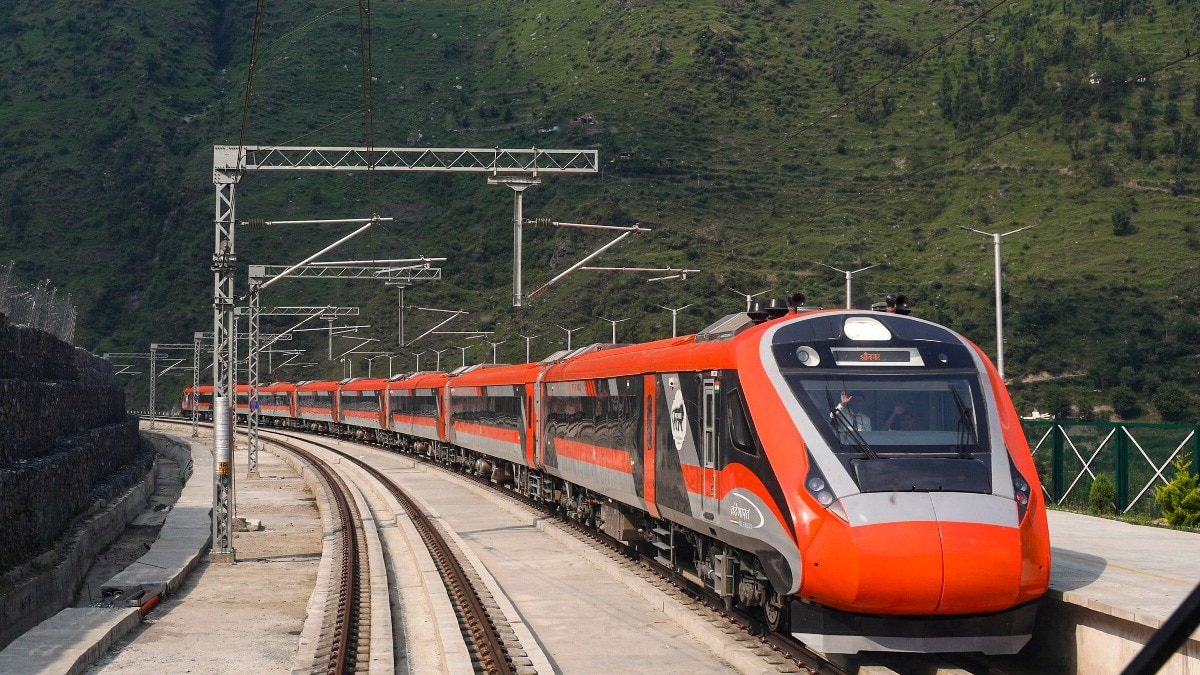
After two days of chaos over pay, union recognition and collective bargaining, a return‑to‑work deal was signed, but the underlying grievances have resurfaced for fresh negotiations.
- The strike concluded on September 1, but the fundamental dispute persists.
- Salary, agency fees, and union recognition issues are back on the table.
- The Jambojet recognition case will continue in court.
Nairobi – Normal operations resumed at Kenya’s major airports after a two‑day aviation strike that left thousands of passengers stranded. The walkout began on August 30, but a midnight‑to‑dawn negotiation among government officials, union leaders and airline executives resulted in a return‑to‑work agreement on September 1.
While the strike is officially over, the deeper conflict over collective bargaining agreements, salary structures, agency fees, union recognition and alleged victimisation remains unresolved, and many of those points have re‑entered negotiations.
The Kenya Aviation Workers Union (KAWU) had already signed a return‑to‑work pact with the government and aviation agencies in February and another in July that averted a planned strike. Yet disagreements with Kenya Airways, the Kenya Airports Authority (KAA), the Kenya Civil Aviation Authority (KCAA) and low‑cost carrier Jambojet lingered, prompting the August action.
Why This Matters
BozokMedia analysis shows that recurring labor unrest in Kenya’s aviation sector not only disrupts national economic activity but also threatens international connectivity and investor confidence.
"Without a durable resolution in Kenya’s aviation labor framework, future strikes of similar or greater scale are inevitable," says labor analyst Dr. Amy Odoma.
The agreement addresses several immediate concerns: KAA will immediately remit outstanding agency fees to KAWU, and KCAA commits to resume collective bargaining talks that have been stalled since 2016. New salary parameters, guided by the Salaries and Remuneration Commission (SRC) issued on September 1, will shape upcoming remuneration negotiations.
The dispute with Jambojet over trade‑union recognition remains in the courts. Both sides have pledged to respect the eventual judicial decision, while Jambojet maintains that its staff did not participate in the strike.
Frequently Asked Questions
Q1: Will all flights operate normally now?
A: Most flights have resumed, but a backlog may cause occasional delays.
Q2: When will the Jambojet union‑recognition issue be resolved?
A: It will be decided by the courts; both parties have agreed to honor the ruling.