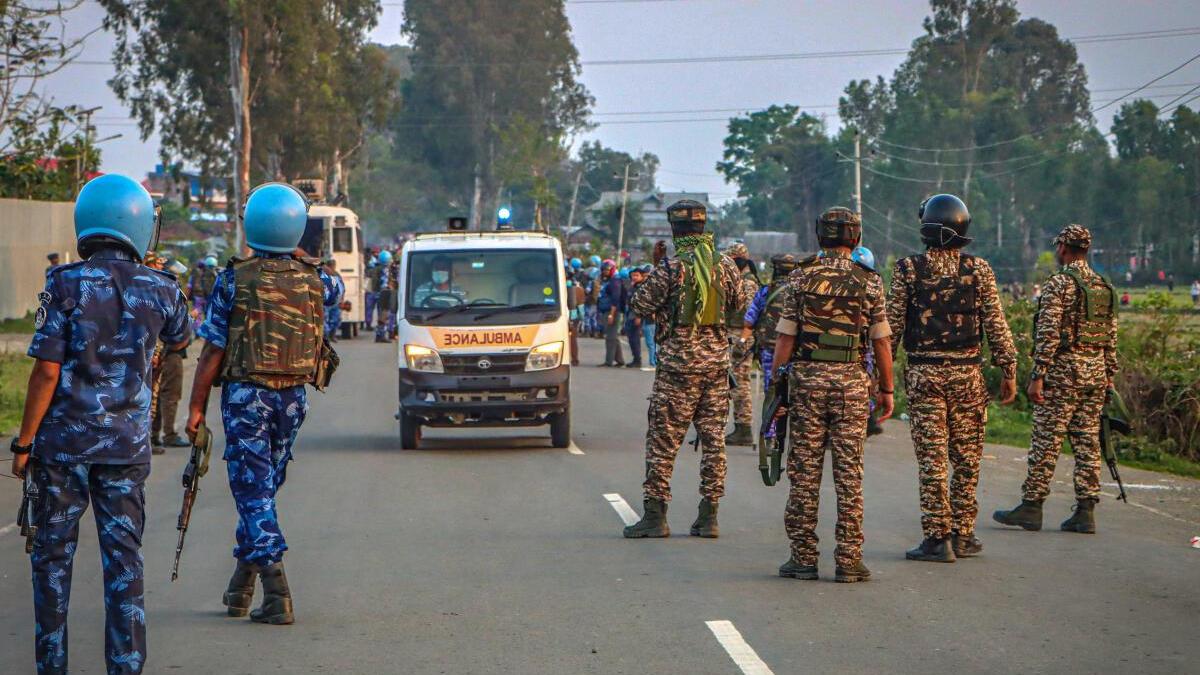
Devastating flash floods triggered by a glacier collapse in the Himalayas have claimed over 1,270 lives and left thousands missing in Nepal and China.
- Death toll exceeds 1,270 with over 4,700 people still missing.
- Glacier collapse near Langtang Lirung triggered the catastrophic flooding.
- Hundreds of workers feared trapped in hydropower facilities and tunnels.
- Nepal has filed a formal climate compensation claim internationally.
Rescue efforts are entering a critical phase in the Himalayan regions of Nepal and China following a catastrophic series of flash floods and mudslides. Authorities report that the death toll has now surpassed 1,270, while a staggering 4,700 people remain missing. The disaster, believed to have been triggered by a massive glacier collapse near the Langtang Lirung mountain peak, has wiped out entire villages, critical infrastructure, and transportation networks.
The Search for Survivors
The National Disaster Risk Reduction and Management Authority (NDRRMA) in Nepal has confirmed the recovery of 1,252 bodies. A major concern for rescue teams is the fate of hundreds of workers believed to be trapped within hydropower plants and tunnels near the Chinese border. Sanjay Kc, an officer from the Nepalese army engineering department, expressed cautious hope while working in the heavily affected Rasuwa district, noting that the sheer size of the power houses might mean some pockets remain unflooded.
Why This Matters
BozokMedia analysis shows that this event represents a significant escalation in the frequency of high-altitude glacial disasters. The scale of debris—estimated by the UNDP at 2.2 million tonnes—creates a dual crisis: the immediate loss of life and a long-term logistical nightmare for reconstruction and regional energy stability.
The scale of destruction highlights the extreme vulnerability of Himalayan communities to rapid cryospheric changes.
In the capital, Kathmandu, forensic teams are facing immense difficulties. Due to the advanced state of decomposition of many recovered bodies, identification is proving to be a grueling process, relying heavily on physical markers like tattoos and jewelry.
Historical Context and Climate Accountability
This disaster is being viewed through a political lens as well. Nepal's Foreign Minister, Shisir Khanal, has pointed to the historical responsibility of major greenhouse gas emitters. In a significant diplomatic move, the Nepalese government has officially submitted a formal climate compensation claim letter to international partners, demanding justice for vulnerable nations disproportionately affected by global warming.
| Region | Confirmed Deaths | Missing Persons |
|---|---|---|
| Nepal | 1,252+ | 4,216+ |
| Tibet (China) | 21 | 541 |
Frequently Asked Questions
1. What caused the massive flooding in Nepal?
Scientists believe a glacier collapse near the Langtang Lirung peak sent a cascade of mud and water down the valleys.
2. What is the government's plan for rebuilding?
Prime Minister Balendra Shah has announced plans for rehabilitation, with a focus on relocating communities to safer areas rather than rebuilding in high-risk zones.