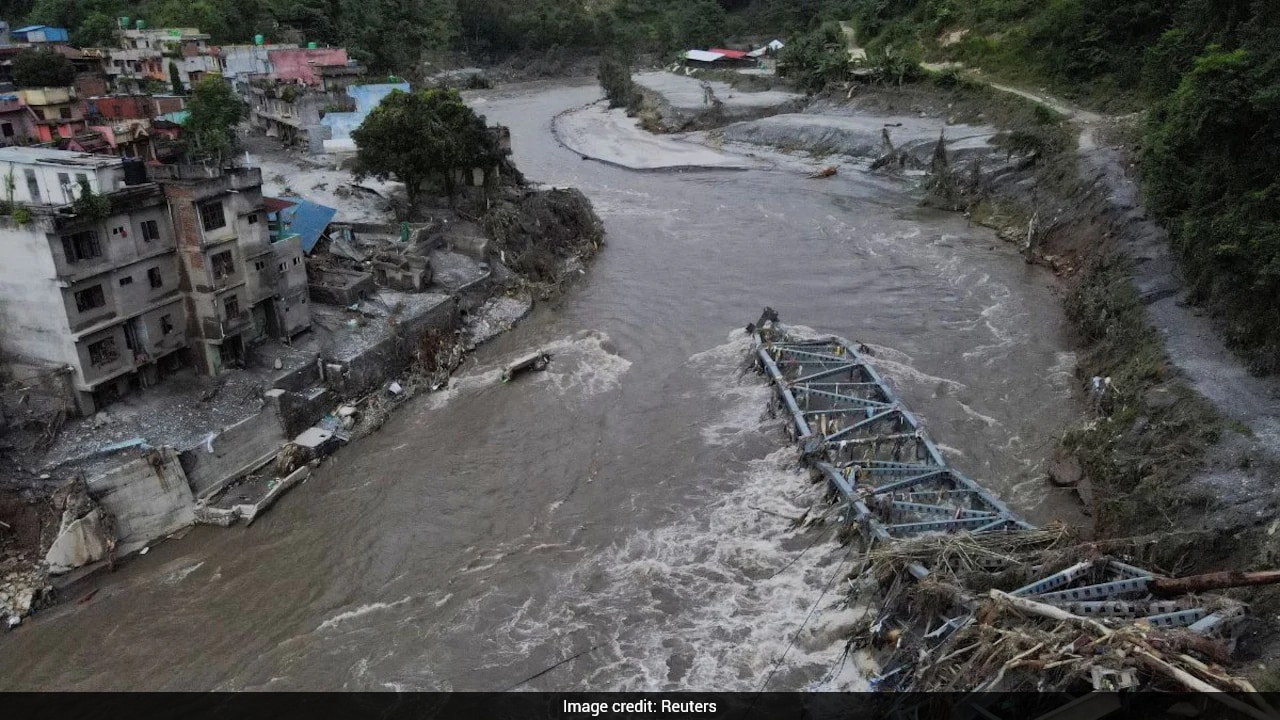
Severe landslides caused by heavy rainfall in West Bengal's Murshidabad district have led to track subsidence between Tildanga and New Farakka. This has resulted in the cancellation of 4 trains and the diversion of 13 others, disrupting connectivity to North Bengal.
- Land subsidence occurred on the railway track between Tildanga and New Farakka.
- 4 major trains have been officially cancelled.
- 13 trains have been diverted to alternative routes.
- Heavy monsoon rains in Murshidabad are the primary cause of the landslide.
A major disruption in rail services has been reported in the Murshidabad district of West Bengal. Due to relentless heavy rainfall, the ground beneath the railway tracks between Tildanga and New Farakka has subsided, causing significant damage to the infrastructure. This landslide has severely impacted the Malda Division, cutting off critical rail links to North Bengal.
Railway authorities confirmed that the stability of the track is currently under assessment. As a precautionary measure to ensure passenger safety, 4 trains have been cancelled, and 13 other services have been diverted through different routes. High-profile services, including the Kanchanjunga Express, have been caught in this disruption, causing immense inconvenience to commuters.
Why This Matters
BozokMedia analysis shows that such geological shifts during the monsoon season pose a massive challenge to the Indian Railways' operational efficiency. The disruption not only affects passenger movement but also creates a ripple effect on freight logistics and regional supply chains, especially in the ecologically sensitive areas of West Bengal.
The subsidence of railway embankments due to soil saturation is a critical safety concern that requires immediate structural reinforcement.
The primary driver behind this incident is the intense monsoon activity in the region. Excessive water accumulation has weakened the soil integrity supporting the tracks. Railway engineering teams have been dispatched to the site to initiate emergency repair work and stabilize the affected section.
Furthermore, the sudden unavailability of rail transport has led to a surge in airfares in the region, as travelers scramble for alternative modes of transport. Passengers are strongly advised to check the official railway status before heading to the stations.
Frequently Asked Questions
1. Which trains are most affected by this landslide?
Major trains like the Kanchanjunga Express are among those cancelled or diverted.
2. How can I check the current status of my train?
Passengers can check the live status via the NTES app or the official Indian Railways website.