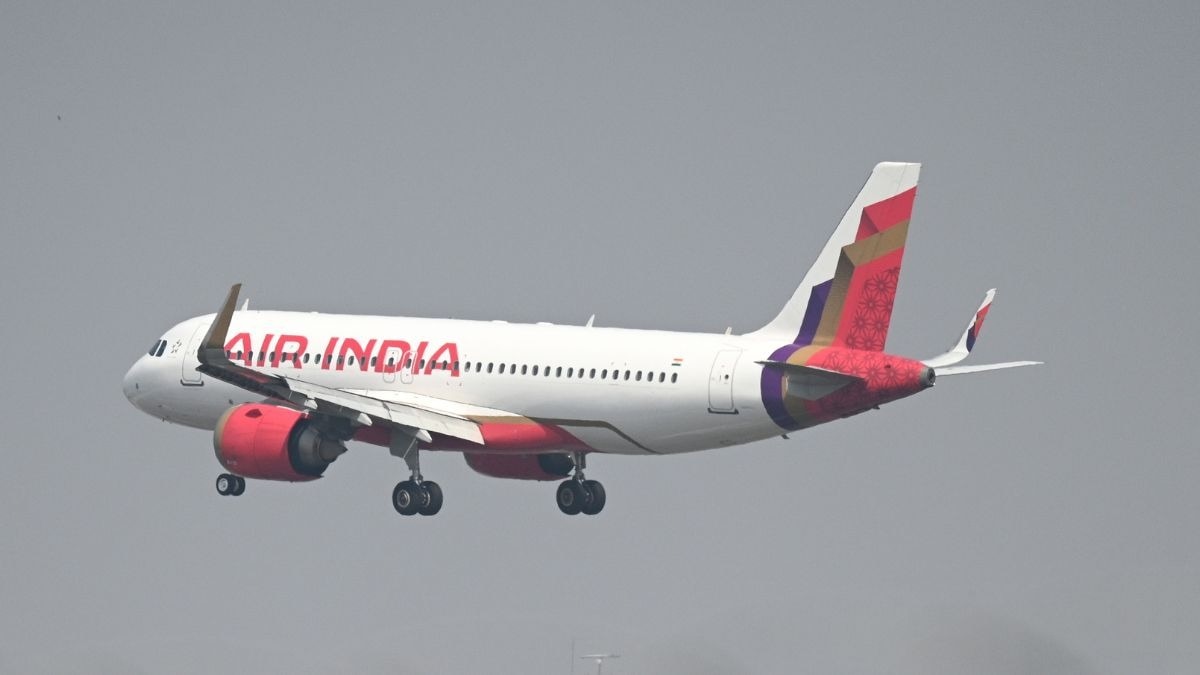
The preliminary investigation into Air India flight AI2379’s sudden altitude loss reveals a brief loss of all three hydraulic systems and a pilot’s non‑negative psychoactive substance test, prompting questions about technical fault and crew fitness.
- All three hydraulic systems lost pressure at 36,000 ft.
- Pilot tested non‑negative for psychoactive substances, though no direct link to the incident.
- AAIB recommends DGCA action and continues technical investigation.
On August 4, Air India’s flight AI2379, bound from Phuket to Delhi, experienced a sudden altitude drop after a brief loss of pressure in all three hydraulic systems at 36,000 feet. The autopilot disengaged, and the aircraft briefly rose 372 feet before descending 292 feet from its assigned altitude.
The report notes that at 04:02:43 UTC the green hydraulic system lost pressure, followed by the blue and yellow systems four seconds later. By 04:02:52 UTC all systems were restored, and flight‑control surfaces returned to normal operation.
Twenty passengers and four crew members sustained injuries, with four individuals taken seriously ill. Breath tests were satisfactory for both pilots, but the pilot in command returned a non‑negative result in the psychoactive substance test.
AAIB states that the non‑negative result does not imply pilot culpability, and the investigation is still probing technical and other contributing factors. DGCA is urged to take appropriate action to prevent future abuse of psychoactive substances among crew.
Why This Matters
BozokMedia analysis shows that dual anomalies—technical failure coupled with potential psychoactive substance use—highlight systemic gaps in pre‑flight checks and crew monitoring. The incident underscores the critical need for strict adherence to the Minimum Equipment List and rigorous psychological fitness assessments for pilots.
"Immediate detection of hydraulic anomalies and assessment of pilot mental fitness are essential for flight safety," says aerospace engineer Dr. Rajesh Kumar.
Frequently Asked Questions
1. Does the pilot’s non‑negative drug test confirm responsibility for the incident? Current reports find no direct link between the drug test and the hydraulic failure.
2. Has Air India changed its safety protocols following this incident? The airline has pledged to strengthen pre‑flight checks and pilot fitness protocols for flights departing from Phuket.