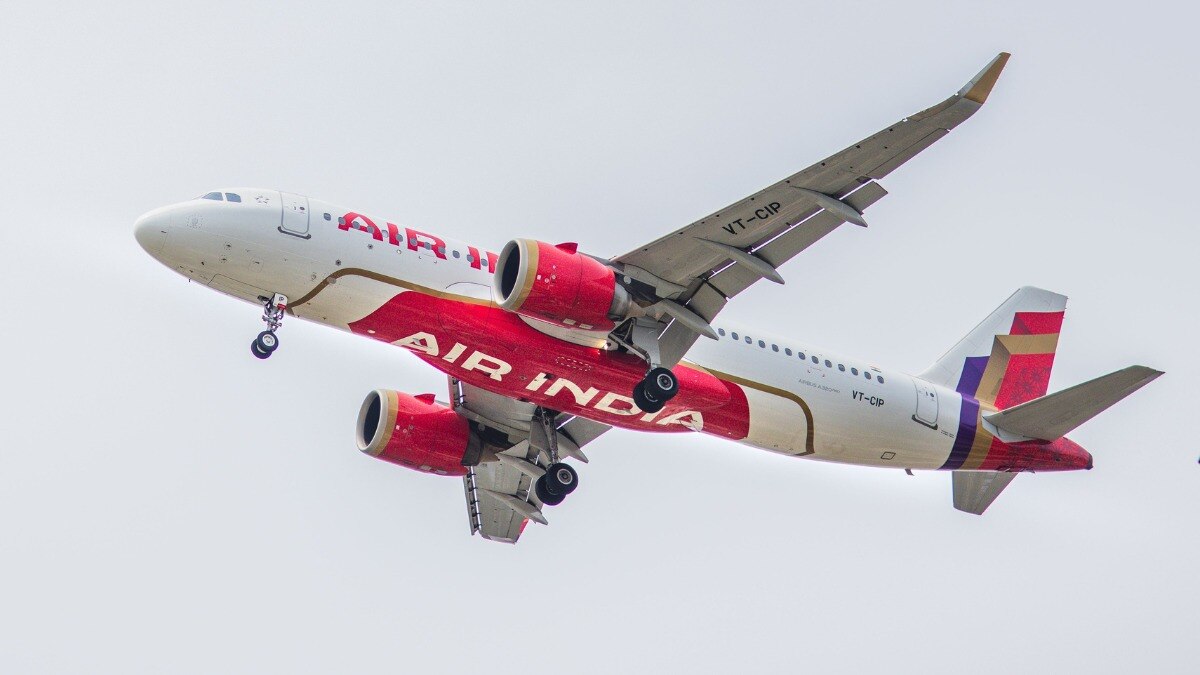
A preliminary report from the AAIB regarding the Air India flight from Phuket to Delhi has revealed that the Pilot in Command (PIC) tested non-negative for drugs. The flight experienced a sudden altitude drop of 292 feet, injuring several passengers.
- The Pilot in Command (PIC) of Air India flight AI 2379 tested positive for psychoactive substances.
- The aircraft experienced a sudden altitude fluctuation, dropping 292 feet.
- Total failure of green, blue, and yellow hydraulic systems was reported.
- The co-pilot tested negative for all substances.
A startling revelation has emerged regarding the recent incident involving Air India flight AI 2379, traveling from Phuket to Delhi. According to the preliminary report released by the Aircraft Accident Investigation Bureau (AAIB), the Pilot in Command (PIC) yielded a 'non-negative' result during psychoactive substance detection testing. This indicates that the pilot was under the influence of drugs during the flight.
Technical Failure and Altitude Drop
The report details a harrowing sequence of technical failures mid-air. While cruising at Flight Level 360 (approximately 36,000 feet), the aircraft's flight control system signaled the depletion of the green hydraulic system. Within mere seconds, the blue and yellow hydraulic systems also failed, causing the autopilot to disengage and triggering continuous chimes and stall warnings.
During this crisis, the aircraft experienced severe altitude instability. The plane surged 372 feet above its assigned altitude before plummeting 292 feet. This sudden descent caused injuries to several passengers and cabin crew members on board.
Why This Matters: BozokMedia Analysis
BozokMedia analysis shows that this incident transcends a mere mechanical failure; it highlights a catastrophic breakdown in human factor protocols. The presence of psychoactive substances in a flight deck is a critical breach of aviation safety standards that could have resulted in a fatal crash.
The intersection of mechanical failure and impaired pilot judgment creates a high-risk environment that modern aviation protocols are specifically designed to prevent.
While the First Officer (Co-pilot) attempted to stabilize the aircraft, the situation escalated when the PIC took control, leading to the sudden altitude changes. Despite the chaos, the crew managed to declare a medical priority with Delhi ATC and successfully landed the Airbus A320 at Indira Gandhi International Airport.
Historical Background: Aviation Safety Standards
In response to rising concerns over pilot health and conduct, the Directorate General of Civil Aviation (DGCA) has been moving toward implementing mandatory, regular drug testing for all flight crews. This incident involving Air India, a major carrier under the Tata Group, brings renewed pressure on regulators to enforce stricter pre-flight medical screenings.
Frequently Asked Questions
1. Was the co-pilot also involved in drug use?
No, the AAIB report confirmed that the co-pilot's samples were negative in both initial and confirmatory tests.
2. How did the aircraft eventually land?
The crew requested medical priority from Delhi ATC and safely landed the aircraft on runway 11L.