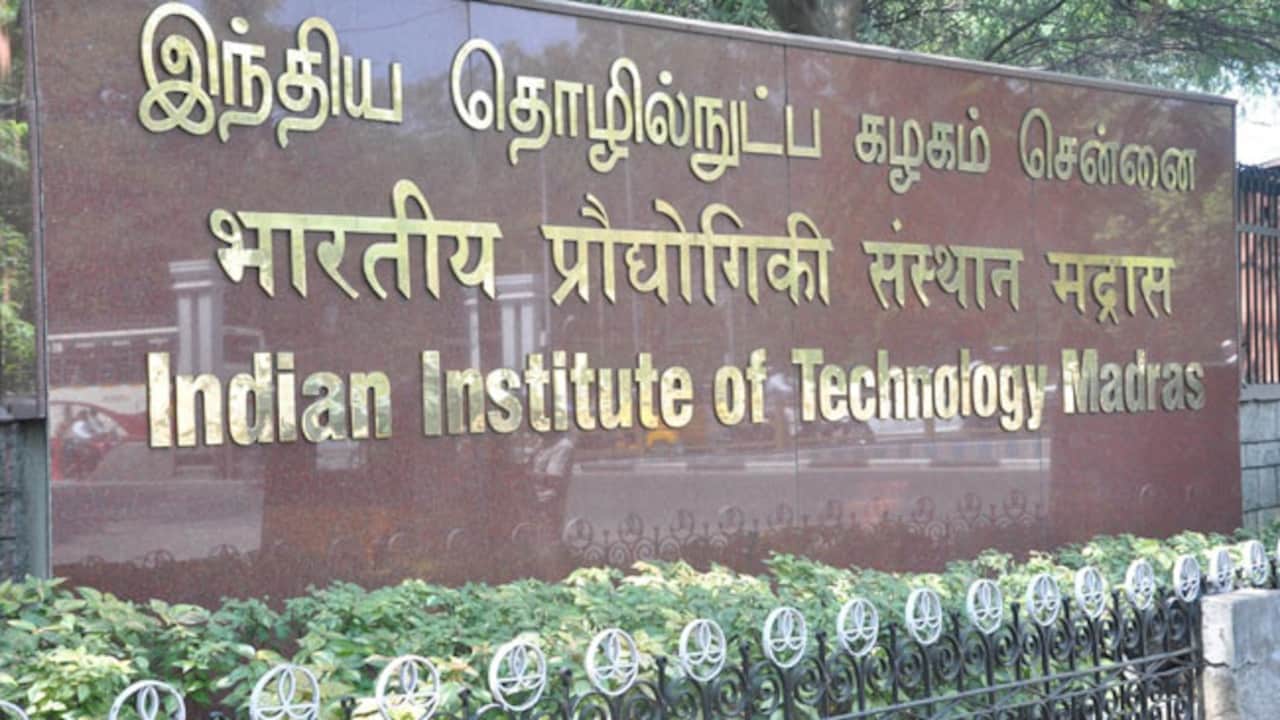
The Assam government has inked MoUs with six private firms and IIT Madras to pilot an artificial intelligence platform across 50 schools. The initiative aims to embed emerging technologies into classrooms, enhancing language and mathematics learning for students.
- AI platform piloted in 50 schools
- Separate AI tool for language and math learning
- MoUs signed with six private firms
Background
Assam has been pushing digital education for years, yet many rural districts still lack reliable infrastructure. To bridge this gap, the state has turned to strategic tech partnerships as a catalyst for change.
Details of the New Agreements
Today, the state’s Education Minister signed Memorandums of Understanding with six private companies and IIT Madras. Under these agreements, the AI‑driven learning platform created by IIT Madras will be piloted in 50 schools, while the other firms will supply a complementary AI system focused on language acquisition and mathematics.
Features of the AI Platforms
The primary platform offers personalized learning pathways, real‑time feedback, and data‑driven analytics, enabling teachers to monitor each student’s progress with precision. The secondary AI tool provides multilingual support and step‑by‑step problem‑solving assistance for math.
Historical Background
India’s foray into AI‑enhanced education dates back to early pilots in 2001, but large‑scale adoption has remained limited. Assam’s rollout marks a significant milestone, positioning the state as a potential model for nationwide AI‑driven schooling.
Why This Matters
BozokMedia analysis shows that integrating AI at the school level can dramatically reduce learning gaps in remote regions, positioning Assam as a potential benchmark for other Indian states seeking tech‑driven educational reforms.
"AI integration will bridge learning gaps and personalize education, says education technology expert Dr. Ramesh Kumar."
Frequently Asked Questions
Question 1: What benefits will students gain from the AI platform?
Answer: Students will receive customized learning routes, instant feedback, and interactive content that can boost comprehension and academic performance.
Question 2: How are the MoUs financially structured?
Answer: The state provides seed funding, while the private partners contribute technology and support services, sharing the overall implementation cost.