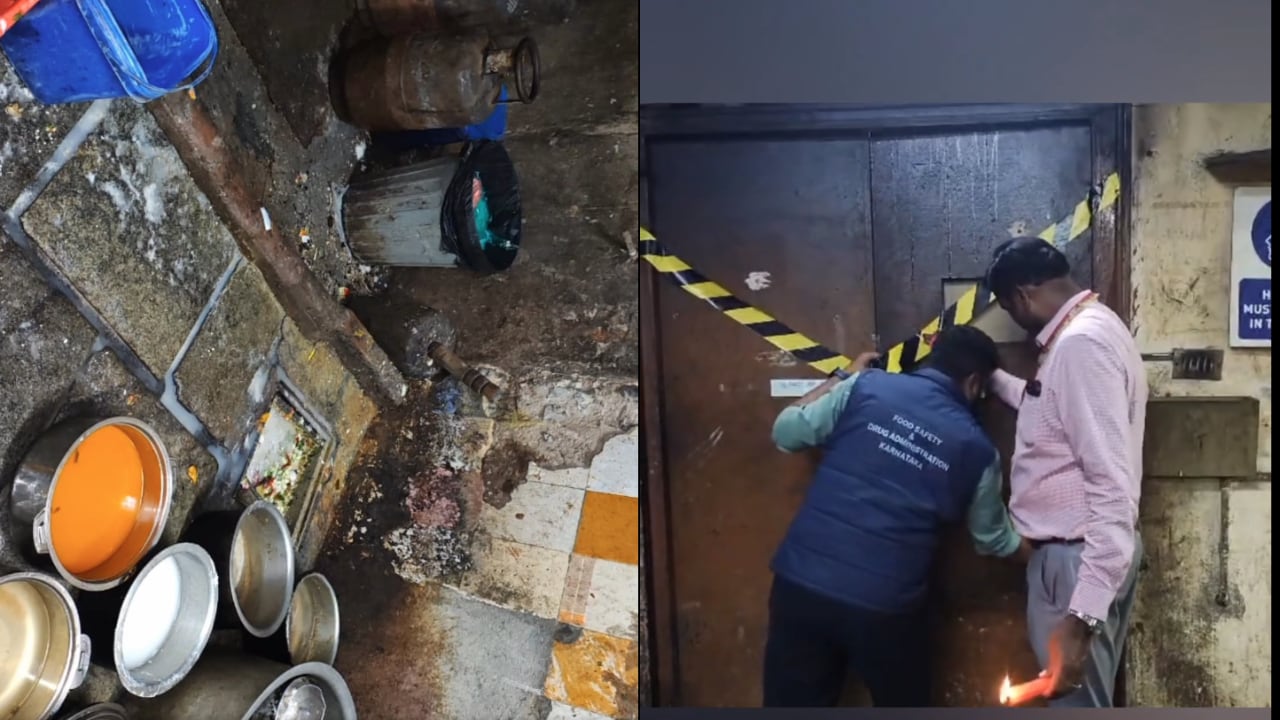
A major health violation was uncovered in a Bengaluru club kitchen, where authorities seized 40kg of expired chillies and found severe hygiene lapses.
- 40 kg of expired chillies were found stored for food preparation.
- Improper labeling was detected on breadcrumbs and Sajeera products.
- The facility faced immediate closure due to violations of FSSAI regulations.
In a significant crackdown on food safety violations, authorities have shut down the kitchen of a prominent club in Bengaluru. During a rigorous inspection, officials discovered a staggering 40 kg of expired chillies being stored for use in meal preparation, posing a direct threat to consumer health.
The investigation revealed that the negligence extended beyond just expired spices. Inspectors found that 5 kg of breadcrumbs and 2 kg of Sajeera food products lacked proper labeling, a clear violation of the mandatory guidelines set by the Food Safety and Standards Authority of India (FSSAI). Such discrepancies in labeling can mislead consumers regarding the freshness and safety of the ingredients.
Why This Matters
BozokMedia analysis shows that high-profile establishments often operate under a false sense of security regarding hygiene audits. When even established clubs fail to maintain basic FSSAI standards, it highlights a systemic gap in kitchen management and supply chain oversight that could lead to widespread foodborne illnesses.
The presence of bulk expired ingredients suggests a systemic failure in inventory management rather than a one-time error.
The inspection team noted that the overall hygiene levels in the food storage and preparation areas were significantly below the required standards. This move to close the kitchen serves as a warning to other hospitality establishments in the city to prioritize food safety over profit margins.
Historical Background
The FSSAI was established to consolidate various food regulations in India. Over the last decade, the agency has intensified its scrutiny of the hospitality sector, implementing stricter penalties for mislabeling and the use of expired goods to combat the rising incidence of food poisoning in urban centers.
Frequently Asked Questions
1. What specific violations were found in the club?
The primary violations included the storage of 40kg of expired chillies and improper labeling of breadcrumbs and Sajeera products.
2. What are the consequences of FSSAI violations?
Violations can lead to heavy fines, temporary or permanent closure of the establishment, and criminal charges depending on the severity.