The BMC is racing to complete a ₹287-crore cable-stayed bridge in Byculla by December 2026, aiming to reduce the CSMT-Byculla commute from 45 minutes to under 10 minutes. This project replaces the aging, unsafe 1922 Y-bridge.
- A new ₹287-crore cable-stayed bridge is set to be completed by December 2026.
- Travel time between CSMT and Byculla will drop from 45 minutes to less than 10 minutes.
- The project is a joint effort between BMC and MahaRail (MRIDC).
- The new structure replaces the 104-year-old Y-bridge deemed unsafe by IIT-Bombay.
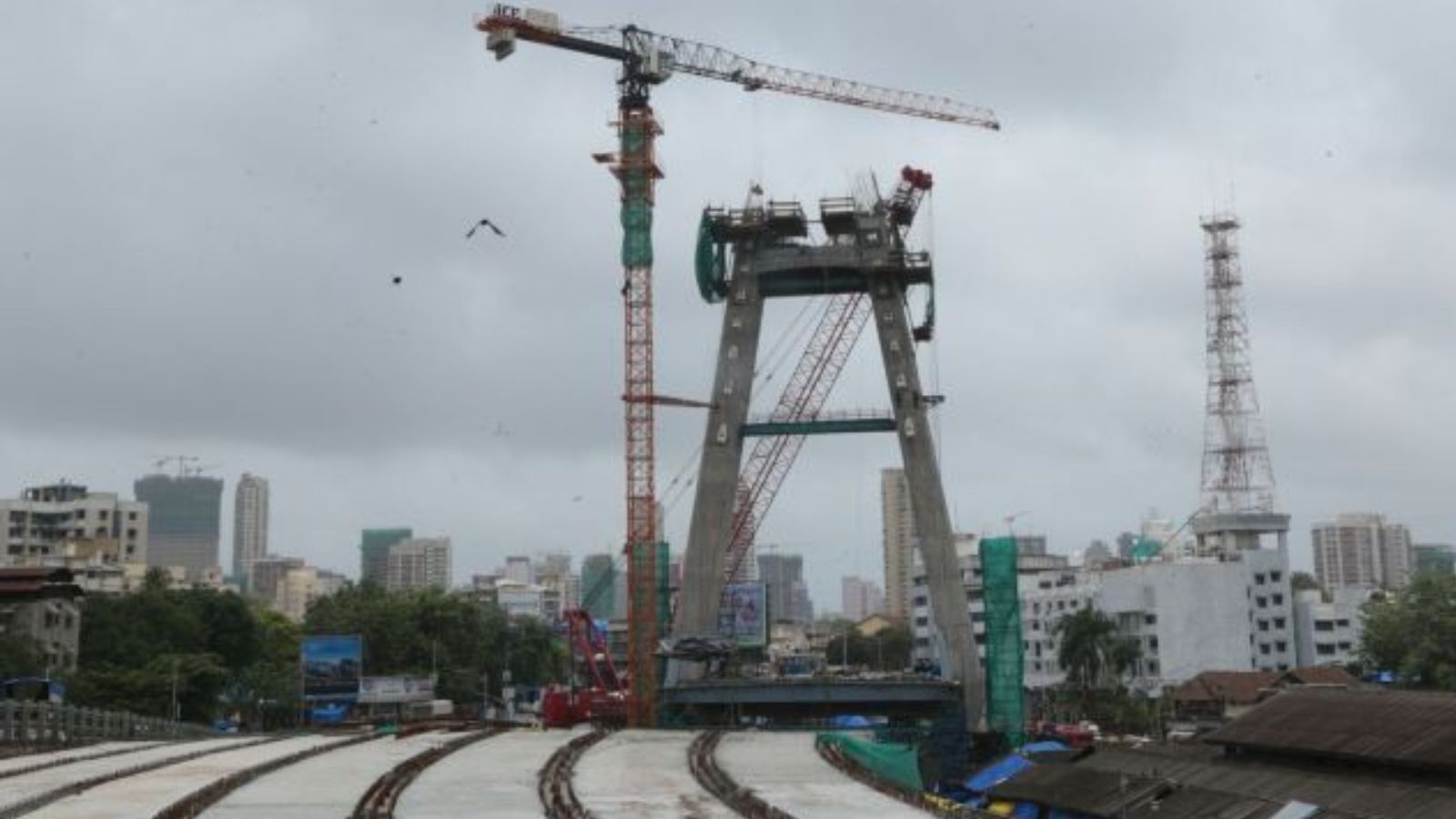
For decades, motorists traversing the Byculla area have faced a significant bottleneck at the historic Y-bridge. However, a massive infrastructural overhaul is underway. The Brihanmumbai Municipal Corporation (BMC) is fast-tracking the construction of a ₹287-crore cable-stayed bridge, designed to revolutionize connectivity between CSMT and Byculla.
The existing Y-bridge, a relic of the British era built in 1922, has long served as the primary artery for traffic heading to and from Chhatrapati Shivaji Maharaj Terminus (CSMT). However, its reliability came into question in 2018 when an audit conducted by IIT-Bombay flagged the structure as unsafe. This discovery catalyzed the decision to build a modern, high-capacity replacement.
Project Engineering and Connectivity
The new bridge will span a total length of 916 metres, featuring a massive 50-metre high pylon. It is designed with 4 lanes to accommodate the heavy vehicular load of Mumbai. The bridge's layout is strategic, with one arm terminating near Deccan Merchant Cooperative Bank in Byculla East and the second towards the Mumbai Fire Brigade HQ in Byculla West.
BozokMedia analysis shows that the impact of this project extends beyond just a single bridge. The integration of an 892-metre flyover connecting to Mazgaon will create a seamless corridor, effectively bypassing the congested railway lines of Sandhurst Road and Byculla stations.
Modern cable-stayed bridges are essential for high-density urban environments like Mumbai, providing both structural longevity and aesthetic value to the cityscape.
Technical Specifications at a Glance
| Parameter | Details |
|---|---|
| Total Project Cost | ₹287 Crore |
| Total Length | 916 Metres |
| Pylon Height | 50 Metres |
| Number of Lanes | 4 Lanes |
| Expected Completion | December 2026 |
The execution is being managed in collaboration with the Maharashtra Rail Infrastructure Development Corporation (MRIDC), also known as MahaRail. A senior BMC official confirmed that the focus is currently on the approach roads and the main cable-stayed structure to ensure that traffic diversion is handled smoothly once the new bridge is ready.
Historical Context
The original Y-bridge has been a landmark of Mumbai's South district for over a century. While it stood as a testament to early 20th-century engineering, the evolving demands of a global megacity rendered the old structure inadequate and, eventually, hazardous. The transition from a colonial-era bridge to a 21st-century cable-stayed marvel marks a significant milestone in Mumbai's urban evolution.
Frequently Asked Questions
1. When will the new Byculla bridge be operational?
The BMC aims to complete the project and open it for traffic by December 2026.
2. How much time will commuters save?
Commuters can expect to save approximately 35 minutes, as the journey time will drop from 45 minutes to under 10 minutes.