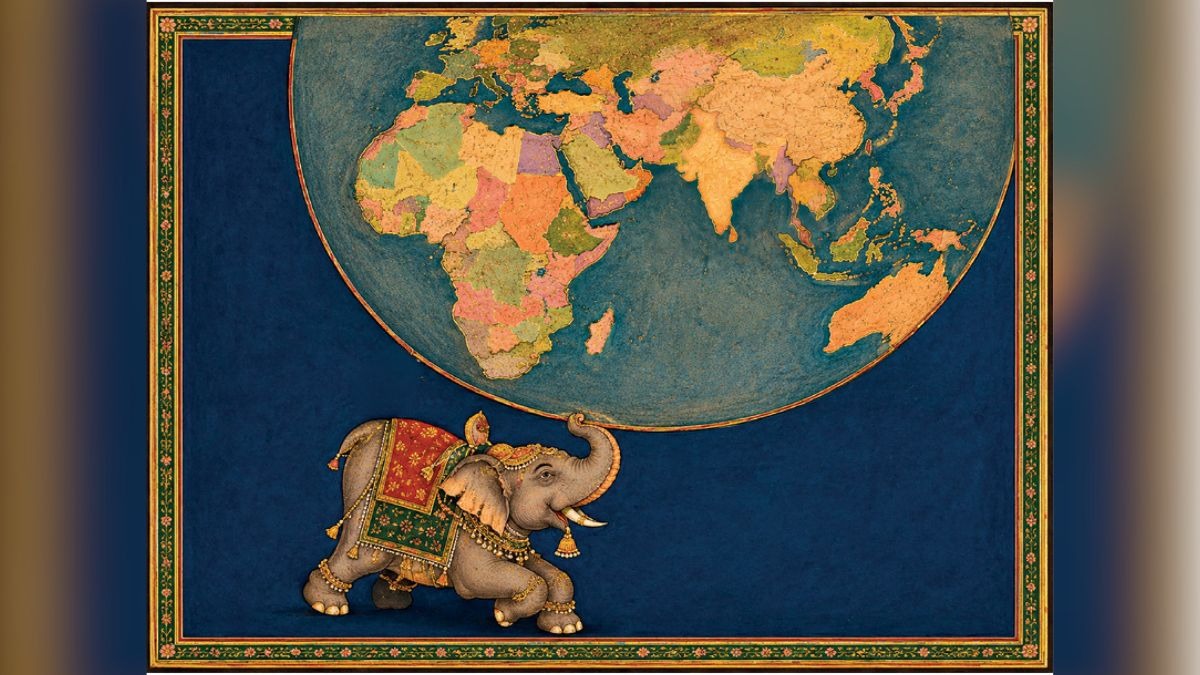
India's GDP is growing at a healthy pace, signaling economic stability. Experts attribute this trend to effective policy measures and strong export performance.
- Current annual GDP growth stands around 6%
- Growth driven by export surge and revived domestic consumption
- Policy support expected to continue in coming months
Detailed Current Assessment
According to the latest data from the National Statistics Office, India's Gross Domestic Product (GDP) grew by 6% in the current fiscal year, an increase of 0.5 percentage points over the previous quarter. The rise is primarily fueled by a rebound in exports and a strong pickup in household spending.
Historical Background
Over the past five years, India's average annual GDP growth has been 5.8%. The pandemic caused a dip to below 4% in 2020‑21, but a swift recovery lifted growth to 7% in 2021‑22. The 2023‑24 figure of 6% reflects the sustained impact of government stimulus and monetary stability.
Role of Fiscal and Monetary Policies
The Reserve Bank kept the repo rate steady at 6.5%, preserving investor confidence. Meanwhile, the government allocated an additional ₹2 trillion to infrastructure projects, energising the construction and services sectors.
Why This Matters
BozokMedia analysis shows that consistent GDP growth not only fuels job creation but also makes India an attractive destination for foreign investors, bolstering currency stability and social welfare.
"The current GDP pace indicates that India is on the right track for a robust economic rebound," says financial analyst Dr. Anjali Singh.
Frequently Asked Questions
Question 1: Will this growth rate sustain into the next year?
Answer: Most forecasters believe that if monetary and fiscal policies remain stable, a 5‑6% growth trajectory is likely to continue.
Question 2: Which sector contributed the most?
Answer: Export‑oriented industries, especially pharmaceuticals and technology, led the GDP contribution.