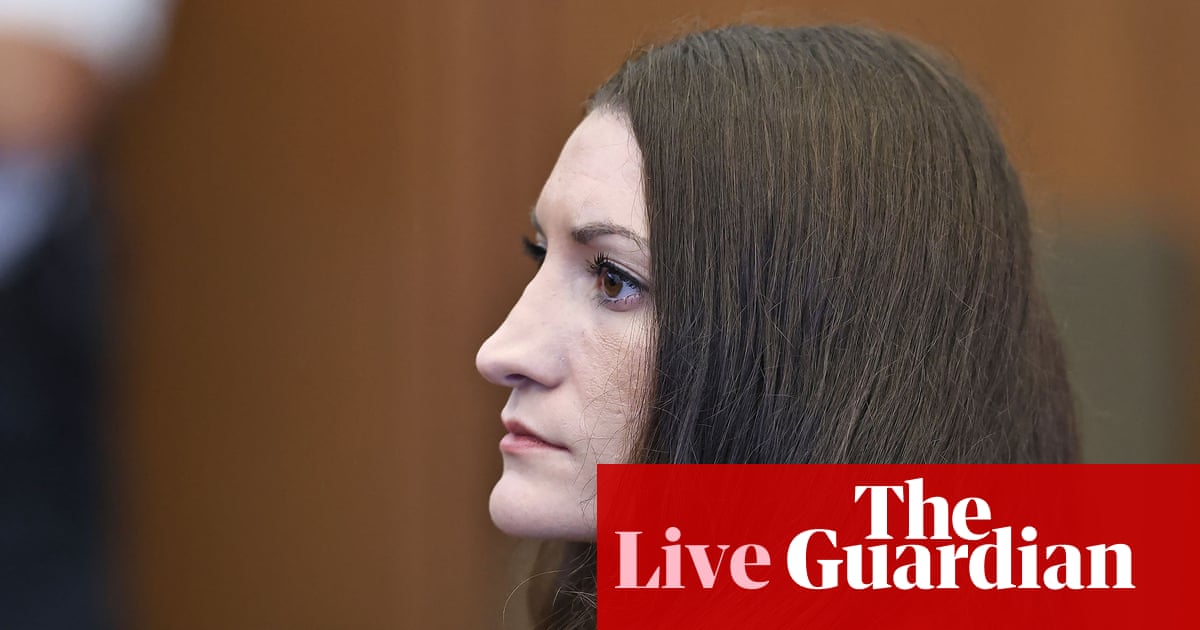
The Lindsay Clancy murder trial has hit a major deadlock as the jury informed the court, for the third time, that they cannot reach a unanimous decision. Legal arguments are now intensifying over whether to declare a mistrial.
- The jury has failed to reach a unanimous decision for the third time.
- The prosecution is pushing for a mistrial.
- The defense is requesting further deliberation time for the jury.
The high-profile murder trial of Lindsay Clancy has reached a critical impasse. In a courtroom filled with tension, the judge read a formal note from the jury stating that they were unable to reach a consensus. The note expressed, "It is with a heavy heart that we report we are unable to come to a unanimous decision and will not be able to."
This development marks the third time the jury has informed the court of its inability to deliver a verdict. Such a stalemate, often referred to as a 'hung jury,' creates significant legal uncertainty and leaves both the prosecution and the defense in a state of high alert regarding the next steps of the judicial process.
Why This Matters
BozokMedia analysis shows that repeated deadlocks in a jury trial suggest profound disagreements regarding the interpretation of evidence or witness credibility. This not only delays justice for the victims' families but also places a massive logistical and financial burden on the judicial system, as a mistrial could necessitate a complete retrial.
Legal analysts suggest that a third failure to reach a verdict indicates a fundamental split in how the jury perceives the core evidence of the case.
Following the announcement, a legal battle erupted within the courtroom. The prosecution argued that the deadlock is irreconcilable and that the judge should declare a mistrial immediately. Conversely, the defense argued against a mistrial, urging the judge to send the jury back to deliberate further, hoping a breakthrough might still occur.
Historical Background
In complex homicide cases like the Lindsay Clancy trial, the requirement for a unanimous verdict can often lead to these intense stalemates. Historically, hung juries have led to a wide range of outcomes, from total retrials with new juries to cases being dismissed, highlighting the high stakes of the American jury system.
Frequently Asked Questions
What happens if a mistrial is declared? If a mistrial is declared, the prosecution must decide whether to retry the case with a new jury or drop the charges.