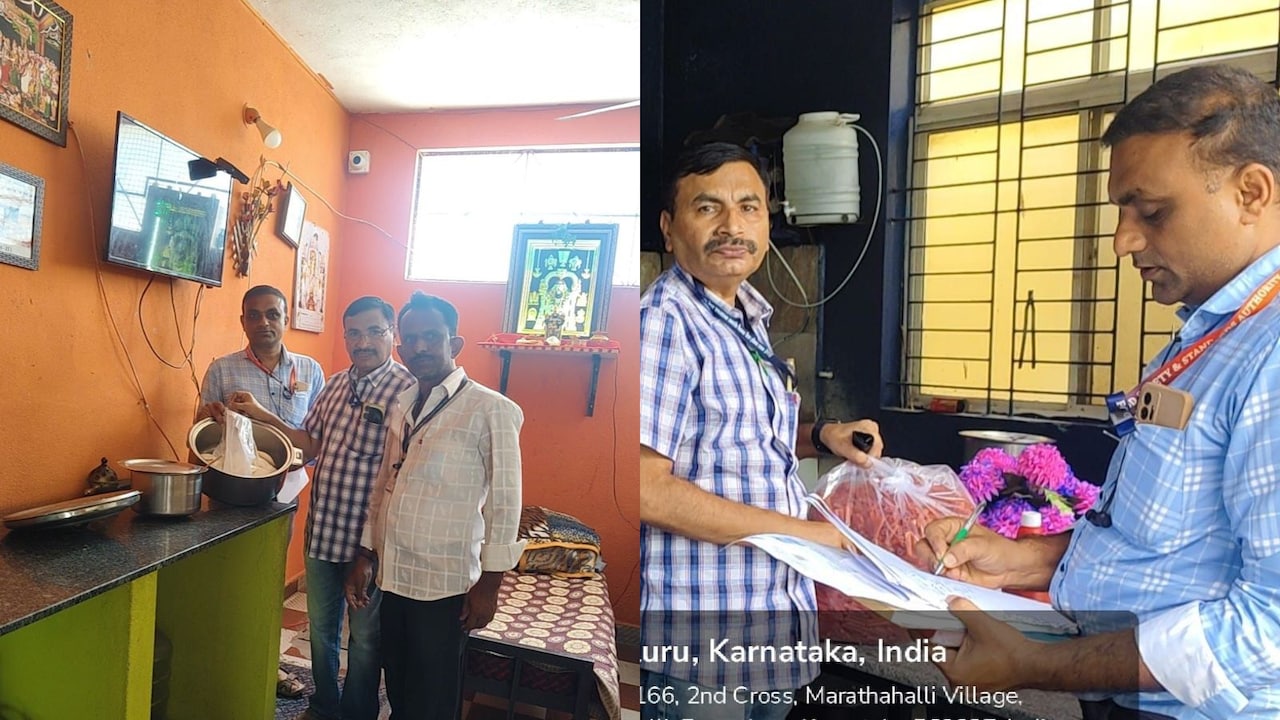
Bengaluru police seized expired curd, rice flour, bisibele bath powder, synthetic food colour, black pepper and mis‑labelled items from 64 paying‑guest accommodations. The raid followed a wave of complaints about poor food quality and safety.
- Expired dairy, flour and spice items confiscated from 64 Bengaluru PGs
- Special inspections launched after resident complaints about food quality
- Potential for stricter penalties and future audits
In a coordinated operation last week, Bengaluru authorities inspected 64 paying‑guest (PG) residences and recovered a range of expired and mis‑branded food products, including curd, rice flour, bisibele bath powder, synthetic colourants, black pepper and mislabeled spices. The sweep was triggered by repeated complaints from residents who alleged that the meals provided were unsafe and of sub‑standard quality.
Inspectors also discovered packets of bed‑bug powder stored alongside food items, a practice that raises serious health concerns. The presence of pest‑control chemicals near consumables can lead to contamination, posing risks not only to individual occupants but also to the broader public health ecosystem.
The Karnataka Food Safety and Standards Authority (FSSAI) has previously issued warnings to several PG operators in the city, yet enforcement gaps allowed the violations to persist. This latest crackdown signals a zero‑tolerance stance toward food‑safety breaches in shared‑housing environments.
Experts argue that the rapid growth of PG accommodations in urban hubs like Bengaluru demands robust regulatory oversight. With thousands of students and young professionals relying on these facilities for daily meals, inadequate food handling standards can quickly translate into widespread food‑borne illnesses.
Why This Matters
BozokMedia analysis shows that the surge in PG housing has outpaced existing food‑safety monitoring mechanisms, creating a vulnerable gap for consumers. Without decisive action, similar incidents could evolve into larger public‑health crises across India's metropolitan centres.
"Proper food management is a non‑negotiable pillar of community health," says food‑safety specialist Dr. Anshu Sharma.
Frequently Asked Questions
Q1: Are PG residents responsible for ensuring the safety of the food they eat?
A: Yes, residents should verify the freshness of meals and promptly report any suspicious or expired items to authorities.
Q2: What penalties can operators face after such violations?
A: Depending on the severity, fines, license revocation, and even imprisonment are possible outcomes.
Editor Comment: This incident underscores the urgent need for stricter food‑safety enforcement in Bengaluru’s booming PG market; proactive inspections and awareness campaigns are essential to protect consumers.