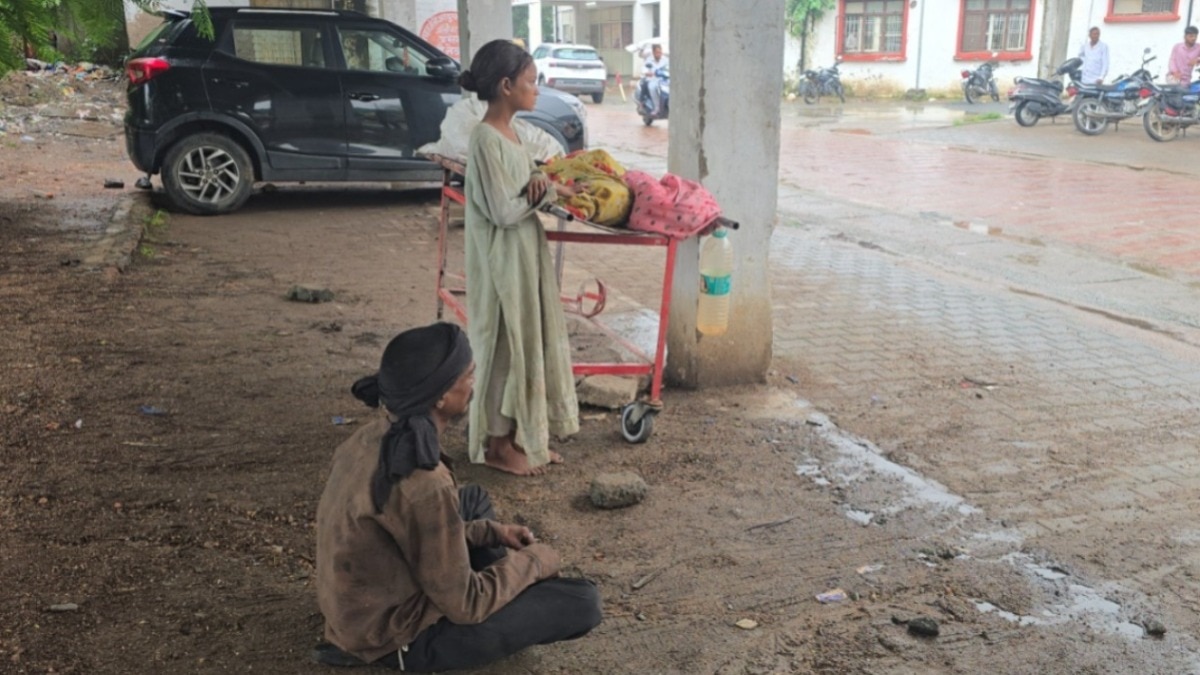
A devastating scene has emerged from Uttar Pradesh, where a woman lost her life due to the unavailability of an ambulance and lack of financial resources, leaving her husband and child in deep grief.
- Death of a woman due to lack of emergency medical transport.
- Financial constraints prevented the family from hiring private medical aid.
- Highlights the critical gap in rural healthcare accessibility.
A heart-wrenching scene from Uttar Pradesh has sent shockwaves through the community, capturing the raw agony of a family pushed to the brink by poverty and systemic failure. A husband and his young daughter were seen sitting on the ground, weeping beside the lifeless body of the woman, who was both a wife and a mother.
The tragedy unfolded when the woman required urgent medical attention, but the family, crippled by extreme financial hardship, could not afford to secure an ambulance. The inability to access timely emergency services turned a medical crisis into a fatal tragedy. The image of the family sitting on the bare earth next to the deceased serves as a haunting indictment of the current state of rural medical infrastructure.
Why This Matters
BozokMedia analysis shows that this incident is a symptom of a much larger, systemic issue regarding the inequity of healthcare access. In many parts of India, the difference between life and death is often determined by immediate liquidity and the presence of functional emergency transport systems in remote areas.
The absence of reliable emergency response in rural sectors remains one of the most significant hurdles to achieving universal health coverage.
This incident raises urgent questions for the state administration and health departments. If emergency services like the '108' ambulance system are not reaching the most vulnerable citizens in time, the gap between policy and reality becomes fatal. The lack of a safety net for the impoverished continues to claim lives that could have been saved with minimal intervention.
Historical Background
Historically, rural healthcare in India has struggled with the 'last-mile connectivity' problem. Despite various government initiatives aimed at strengthening Primary Health Centres (PHCs) and improving ambulance response times, geographical barriers and socio-economic disparities continue to hinder effective service delivery in the hinterlands.
Frequently Asked Questions
Question 1: What caused the death in this incident?
Answer: The primary cause was the inability to access an ambulance and timely medical intervention due to financial constraints.
Question 2: Where did this incident take place?
Answer: The incident took place in a rural part of Uttar Pradesh.
