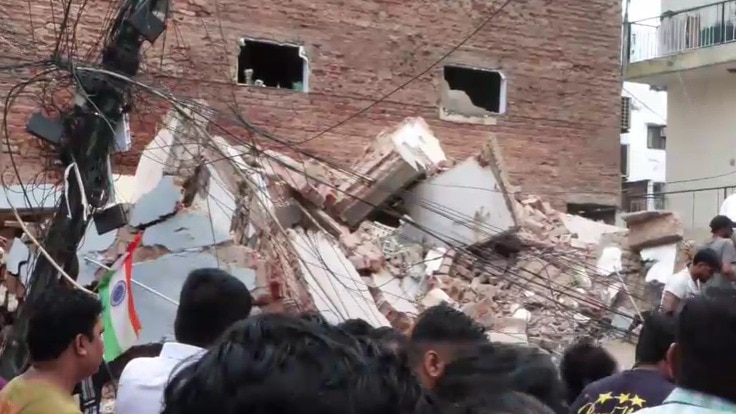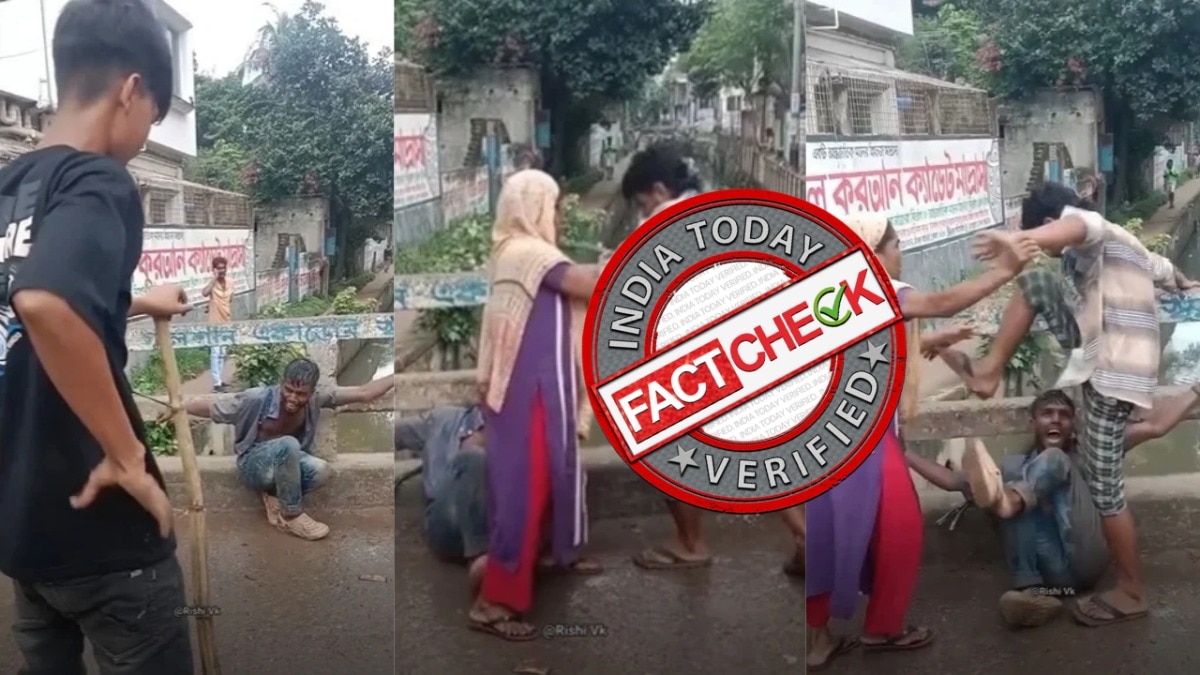
A fact-check investigation reveals that certain Turkish social media accounts are circulating a video from Bangladesh, falsely claiming it occurred in India to incite communal discord.
- Turkish accounts are mislabeling Bangladeshi footage as Indian.
- The content is being shared with a communal spin to incite unrest.
- Fact-checking confirms the video's origin is strictly Bangladeshi.
In an era of rapid digital information flow, the line between news and propaganda has become increasingly blurred. Recent investigations have uncovered a coordinated effort by certain Turkish social media handles to circulate a video from Bangladesh, falsely claiming it depicts events in India. This disinformation is being strategically packaged with a communal narrative to provoke social unrest.
The Anatomy of a Disinformation Campaign
The video in question, which has gained traction on various platforms, shows specific incidents that are clearly localized to Bangladesh. However, the accounts in question have added misleading captions and hashtags designed to suggest that these events are happening within Indian borders. This tactic is a classic example of 'contextual hijacking,' where real footage is used to tell a completely fabricated story.
Why This Matters
BozokMedia analysis shows that such coordinated disinformation campaigns are not accidental; they are designed to exploit existing social fault lines. By injecting a communal angle into foreign footage, these actors aim to destabilize the social fabric of the target nation and manipulate public perception on a global scale.
The weaponization of misinformation through cross-border digital handles represents a new frontier in psychological warfare.
The speed at which such content travels makes it difficult for traditional fact-checking mechanisms to keep pace. Once the video reaches a critical mass, the damage to social harmony can be immediate and profound, regardless of the eventual debunking.
Historical Background
Disinformation regarding South Asian geopolitical tensions has a long history. In recent years, the rise of decentralized social media has allowed non-state actors and foreign entities to influence regional stability by spreading hyper-partisan and communalized content across borders.
Frequently Asked Questions
Q1: Is the video actually from India?
A: No, multiple fact-checks have confirmed the footage originates from Bangladesh.
Q2: Why are these accounts targeting India?
A: The goal appears to be the amplification of communal tensions and the spread of regional instability.