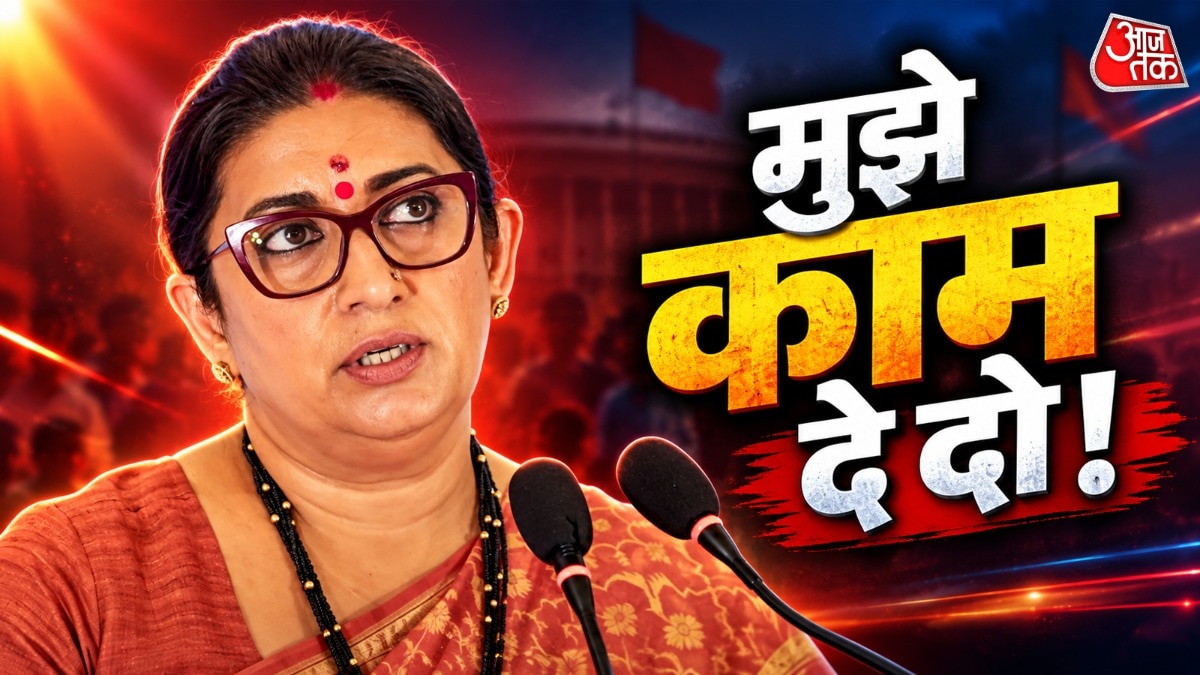
After losing the 2024 Lok Sabha race, former minister Smriti Irani openly admitted she was unemployed and directly called Udai Shankar for work. The call paved her way back to television with a new role.
- Lost the 2024 Lok Sabha election and announced unemployment
- Directly called Udai Shankar to ask for a job
- Returned to TV with the show "Because Even Mother‑in‑law Was Once a Daughter‑in‑law 2"
New Delhi (September 5 2026) – After her defeat in the 2024 Lok Sabha election from Amethi, former Union Minister Smriti Irani told a media interview that she was job‑less and immediately reached out to longtime industry colleague Udai Shankar for employment.
Irani said she preferred transparency over concealment, stating, "I am unemployed, can you give me any work?" The candid request was made over a phone call, bypassing any formal offers.
Udai Shankar, then Vice‑Chairman of JioHotstar and Star, responded promptly and offered Irani a role in the upcoming season of "Because Even Mother‑in‑law Was Once a Daughter‑in‑law 2," marking her return to the small screen as the beloved character Tulsi Virani.
This unprecedented move—an active senior minister publicly seeking employment—has sparked intense debate across social media, raising questions about the blurred lines between politics and entertainment in India.
Historically, several Indian leaders have transitioned to media after political careers, such as Atal Bihari Vajpayee’s literary pursuits and Rajesh Khanna’s film work. However, a sitting cabinet minister openly asking for a job is virtually unheard of.
The episode also shines a light on the financial vulnerability that can follow electoral defeat, even for high‑profile politicians, suggesting a need for more robust post‑electoral support mechanisms.
Why This Matters
BozokMedia analysis shows that Irani’s action not only revives her personal brand but also signals a systemic gap in economic security for Indian politicians, potentially prompting others to adopt similar approaches.
"Seeking a television role after an electoral loss could set a new social precedent for political accountability and resilience," says political analyst Dr. Anjali Sharma.
Frequently Asked Questions
Q: Why did Smriti Irani look for work after her election loss?
A: She cited immediate financial needs and a desire to maintain professional relevance.
Q: How common is it for Indian politicians to seek entertainment jobs after a defeat?
A: It is extremely rare; most senior leaders pursue advisory or party roles rather than direct media employment.


