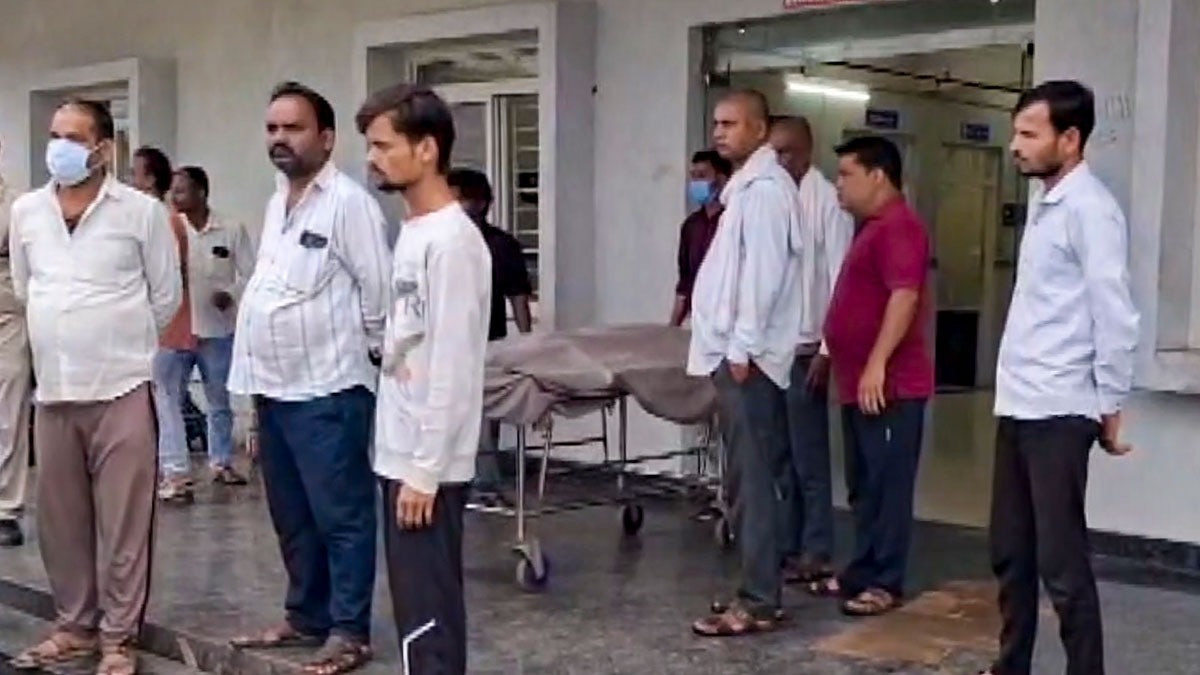
Following the tragic death of eight engineering students in Kaipamangalam, Thrissur District Collector has ordered a multi-agency safety audit of all national highways in the district.
- Urgent safety audit ordered after Kaipamangalam tragedy.
- Joint team includes NHAI, Police, and Motor Vehicles Department.
- Deadline for the detailed inspection report is Wednesday evening.
- Focus on construction zones, lighting, and illegal parking.
In a decisive move following the devastating road accident at Kaipamangalam in Thrissur, which claimed the lives of eight engineering students, District Collector Shikha Surendran has mandated an immediate, comprehensive safety audit of national highways across the district. The accident, which occurred on a Friday night, has sparked widespread outrage and calls for systemic reform in highway management.
A specialized multi-agency task force has been mobilized to conduct this inspection. The team will consist of the NHAI project director, police officials, representatives from the Motor Vehicles Department, and members of local self-government bodies. This collective effort aims to identify high-risk zones and immediate safety lapses.
Identifying Critical Safety Hazards
The audit is specifically designed to scrutinize stretches of the highway that are currently undergoing construction or involve traffic diversions. Officials will conduct a granular examination of road maintenance, the presence of potholes, waterlogging issues, and the structural integrity of footpaths. Furthermore, the adequacy of service road lighting and the visibility of reflective warning signs will be paramount.
A significant portion of the investigation will focus on the management of construction materials. There are growing concerns regarding materials being dumped haphazardly along roadsides, creating lethal obstacles for motorists. BozokMedia analysis shows that improper barricading and a lack of trained traffic wardens at vulnerable junctions are recurring themes in fatal highway accidents.
Road safety infrastructure must be proactive rather than reactive; waiting for a tragedy to occur before auditing a highway is a systemic failure.
Enforcement and Local Governance
Beyond physical infrastructure, the administration is turning its attention to behavioral compliance. The Collector has directed the police and the RTO to launch an intensified drive against illegal parking, with instructions to register FIRs where necessary. Simultaneously, the Local Self-Government department has tasked all local secretaries with conducting safety inspections within their respective jurisdictions.
Historical Background: The stretch of highways in Kerala has seen increased traffic density and rapid expansion projects. While these projects aim to improve connectivity, the transition period—marked by diversions and construction—has historically been the most dangerous phase for commuters.
Frequently Asked Questions
Question 1: When is the audit report expected to be submitted?
Answer: The multi-agency team is required to submit its detailed findings by Wednesday evening, September 9, 2026.
Question 2: Who is leading the special inspection for vehicle safety?
Answer: A separate, specialized inspection will be led by the Motor Vehicles Department to assess vehicle-related safety compliance.