In the wake of devastating floods in Nepal, families unable to recover the bodies of their loved ones are turning to symbolic cremation rituals to find closure.
- Devastating floods in Nepal have caused widespread destruction and loss of life.
- The inability to recover bodies has left many families in a state of unresolved grief.
- Symbolic cremation rituals are being used to fulfill religious obligations and seek psychological closure.
The catastrophic flooding in Nepal has left a trail of destruction that extends far beyond physical infrastructure. As floodwaters recede, a more profound and silent tragedy is emerging: the plight of families who have lost loved ones to the torrents but have no bodies to bury or cremate. The violent currents and massive amounts of debris have swept away remains, leaving behind a void that is both physical and spiritual.
Facing the impossibility of traditional funerary rites, grieving families are resorting to symbolic cremations. These ceremonies, often involving a photograph of the deceased, their clothing, or an empty casket, serve as a makeshift ritual to honor the departed and provide a sense of finality in an otherwise chaotic environment.
Why This Matters
BozokMedia analysis shows that these symbolic rituals are a critical coping mechanism in the face of extreme trauma. In many cultures, especially within the Hindu traditions prevalent in Nepal, the completion of funeral rites is essential for the soul's journey and the family's ability to move through the stages of grief. Without a body, the process of mourning becomes 'stuck,' leading to prolonged psychological distress.
The absence of a physical body turns a natural disaster into a profound spiritual crisis for the survivors.
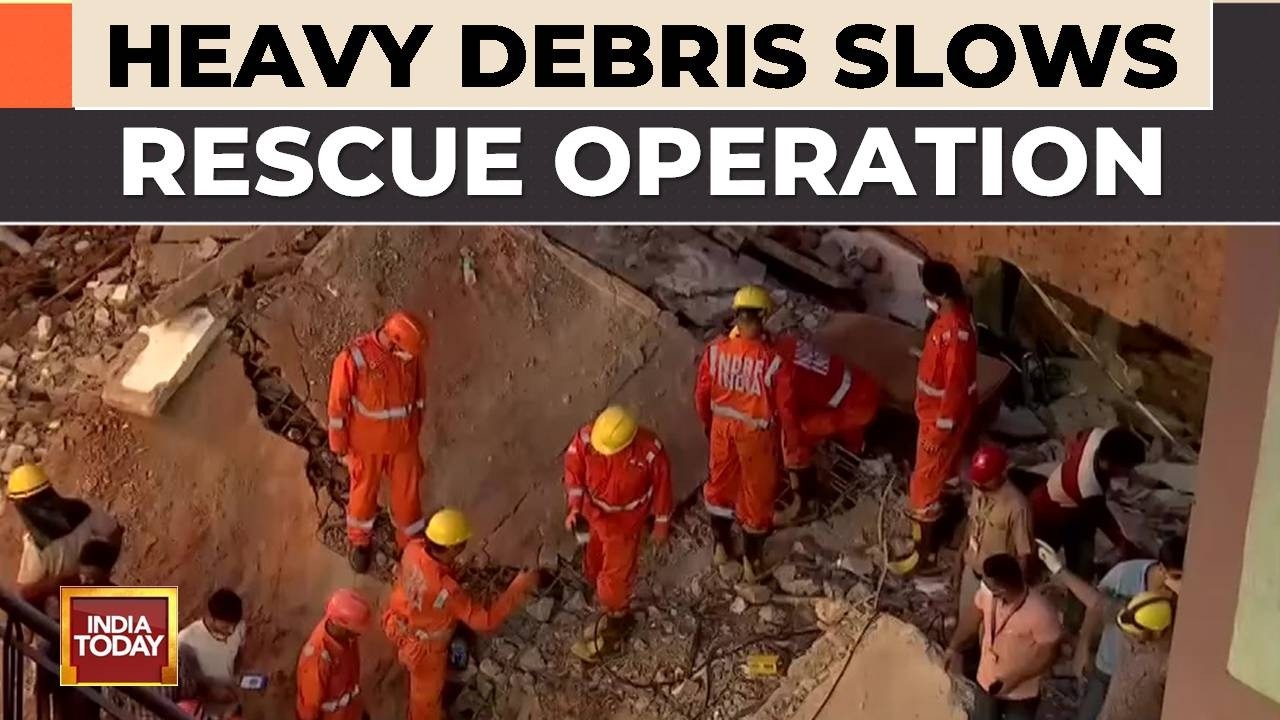
Search and rescue operations continue across the most affected regions, but the rugged terrain and the unpredictable nature of the post-flood landscape make the recovery of remains an uphill battle for emergency responders. The scale of the loss is testing the limits of both local resources and human resilience.
Historically, the Himalayan region has been prone to seasonal monsoon flooding, but the increasing intensity of these weather events suggests a shifting climate reality that poses an escalating threat to the stability of the region.
Frequently Asked Questions
Question 1: What is a symbolic cremation?
Answer: It is a ritual performed using items representing the deceased when the actual body cannot be recovered.
Question 2: What is causing the high mortality in Nepal's floods?
Answer: A combination of extreme monsoon rainfall, flash floods, and landslides in mountainous terrain.