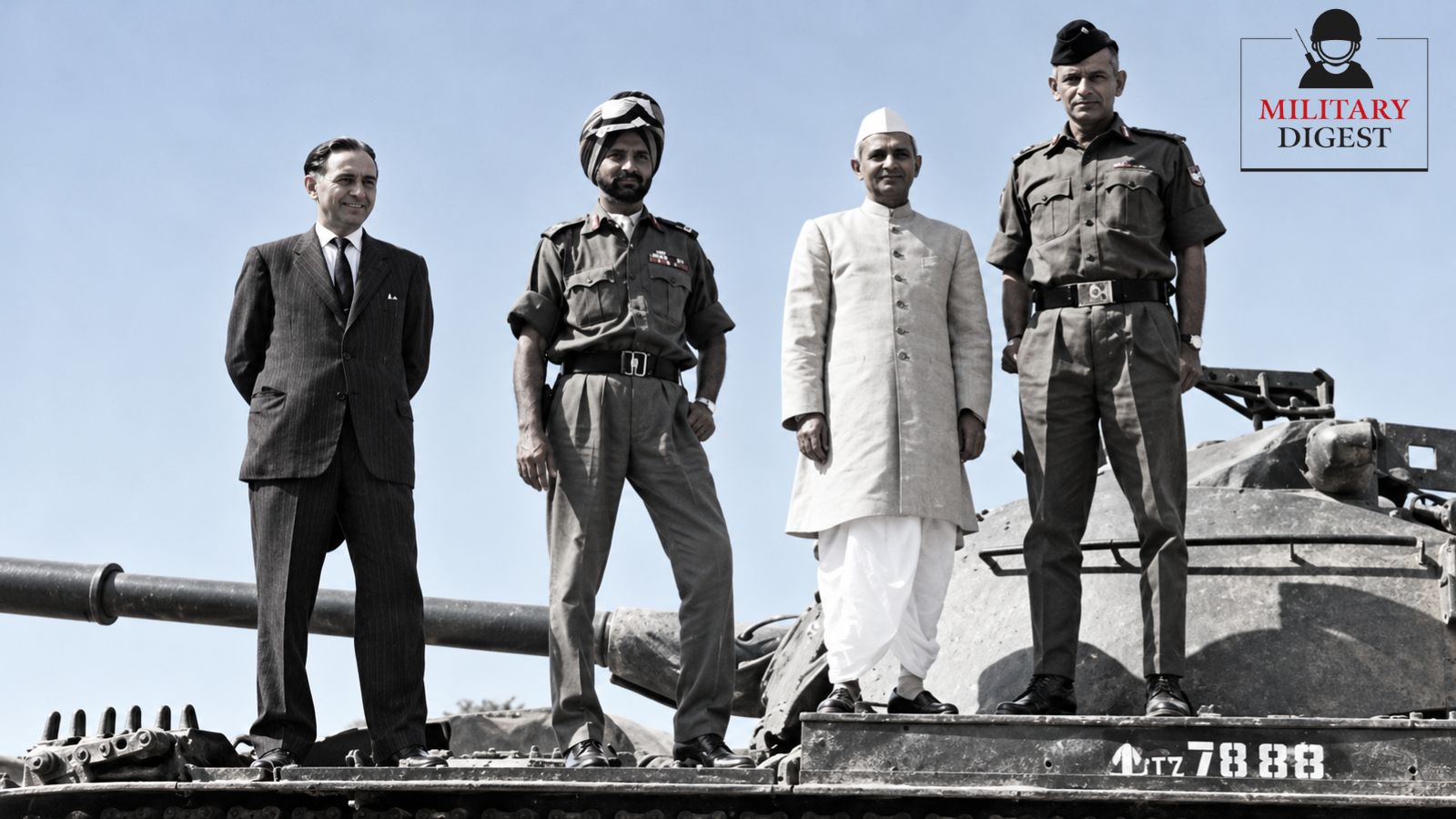
As the Indian Army threatened Lahore in 1965, Pakistan turned to supernatural rumors and religious propaganda to bolster its crumbling military morale.
- In 1965, the Indian Army launched a strategic strike on Lahore and Sialkot to divert Pakistani forces from Kashmir.
- Pakistan utilized religious myths, such as 'Chup Shah' and divine dreams, to combat panic.
- Fanciful tales of white-clad horsemen and bomb-catching elderly men were used to fuel propaganda.
In the early hours of September 6, 1965, Indian Army troops crossed the international border in Punjab, launching a direct offensive that threatened the strategic city of Lahore. The primary objective was not necessarily the occupation of major cities, but to force Pakistan to divert its military reserves away from the Jammu and Kashmir front. This move effectively caught the Pakistani military leadership off guard.
As artillery fire echoed through the streets of Lahore and Sialkot, a wave of panic gripped the Pakistani populace. BozokMedia analysis shows that instead of focusing on strategic defense, the Pakistani state and religious groups pivoted toward invoking divine intervention to maintain public order and morale.
Why This Matters
Understanding the role of propaganda in conflict is crucial for analyzing how nations manage internal stability during existential threats. The 1965 conflict serves as a textbook case of how 'make-believe' can be used to mask military vulnerabilities.
When tactical superiority is lost on the battlefield, the psychological battle shifts to the realm of myth and superstition.
One of the most pervasive rumors involved a Lahore saint named 'Chup Shah,' who allegedly began roaming the streets shouting of imminent victory. Urdu newspapers played a significant role in disseminating these fantasies, even publishing stories about dreams from Madina suggesting divine support for the conflict. These tales were designed to transform a conventional military struggle into a perceived spiritual crusade.
Further absurdities included reports of hundreds of white-clad horsemen wielding glowing swords appearing in Sialkot, and even more incredible claims of elderly men in Multan catching Indian Air Force bombs with their bare hands. These stories were not merely folklore; they were tools used to stave off the realization of a looming military defeat.
Frequently Asked Questions
1. What was the strategic goal of India's attack on Lahore?
The goal was to threaten Lahore to force Pakistan to pull its troops back from the Jammu and Kashmir front.
2. How did the media support the propaganda?
Urdu newspapers published unverified stories of divine dreams and supernatural warriors to boost morale.
| Element | Military Reality | Propaganda Narrative |
|---|---|---|
| Soldier Morale | High pressure from Indian advances | Divine protection and miracles |
| Combat Support | Conventional artillery and tanks | White-clad horsemen and saints |