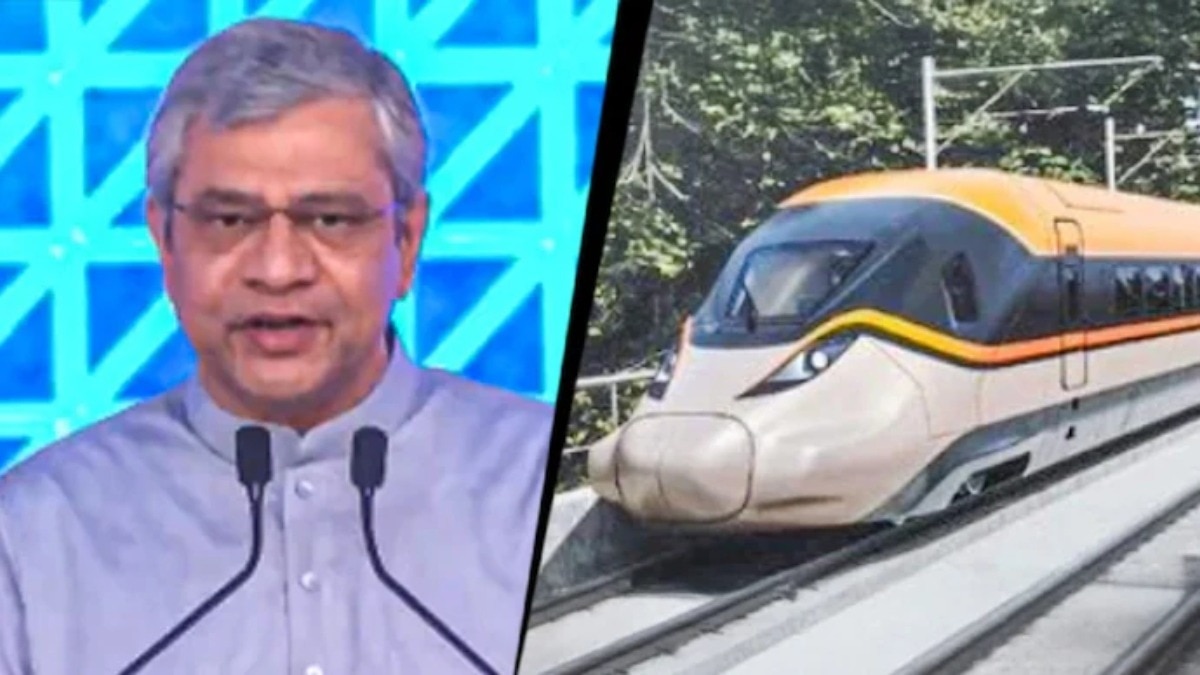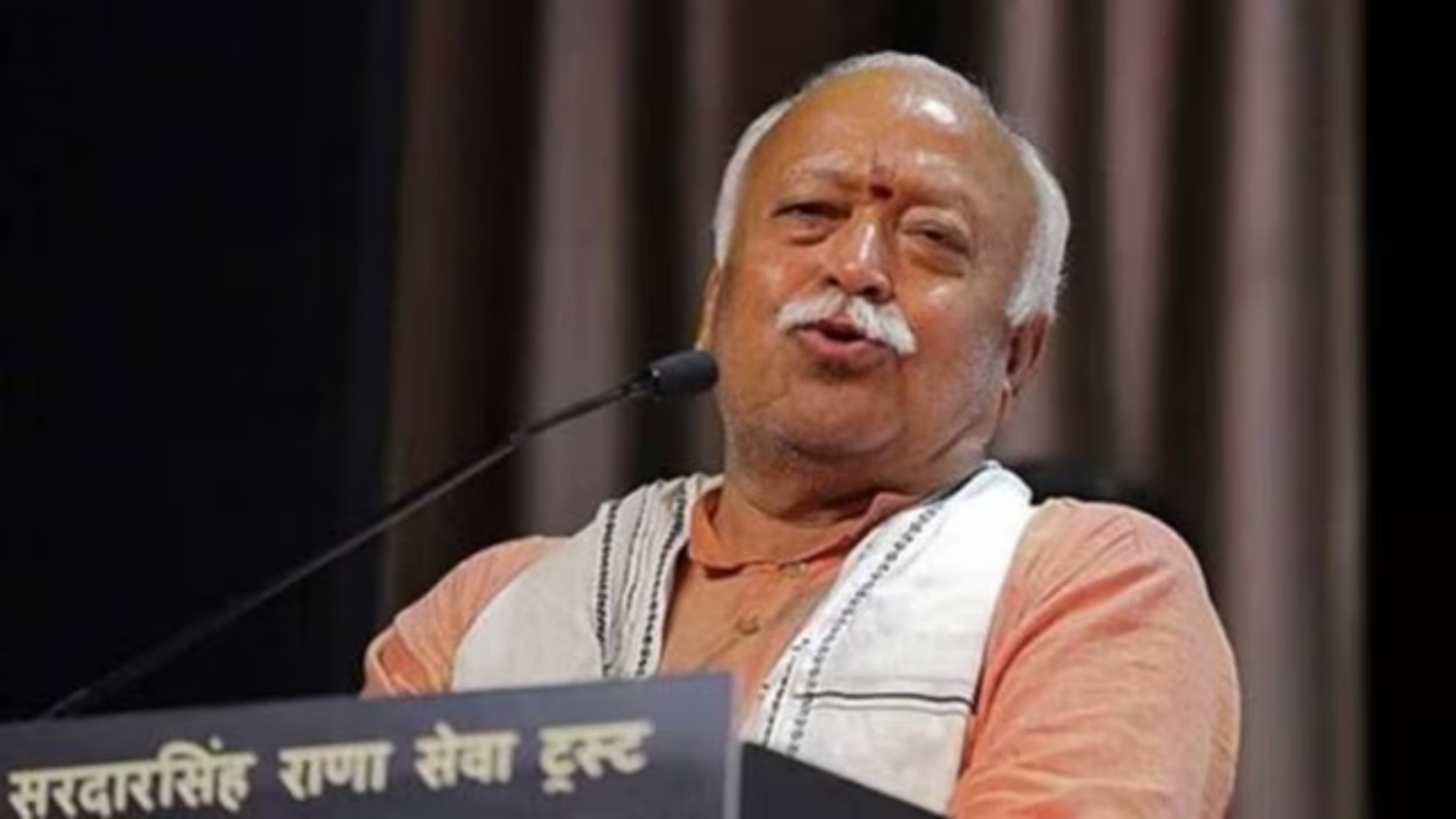
RSS chief Mohan Bhagwat shares a pivotal 'piece of wisdom' reflecting on 100 years of the organization, while the CAQM reverses its stance on pollution control device timelines.
- RSS Chief Mohan Bhagwat emphasizes a generational roadmap as the organization approaches its centenary.
- CAQM has reversed a previous amendment that relaxed deadlines for installing air pollution control devices.
- The regulatory body has reiterated to industry associations that strict timelines must be respected to combat smog.
In the high-stakes corridors of New Delhi, two contrasting narratives are unfolding. On one hand, Mohan Bhagwat, the chief of the Rashtriya Swayamsevak Sangh (RSS), is laying down a conceptual framework for the future, framing his insights as a 'piece of wisdom' derived from a century of organizational existence. This suggests a strategic focus on generational continuity and ideological reinforcement.
Simultaneously, the Commission for Air Quality Management (CAQM) is grappling with the perennial crisis of Delhi's air quality. The body has recently exhibited a 'back and forth' approach regarding the installation of air pollution control devices (APCDs). After initially offering a relaxation in timelines via an amendment, the CAQM has now pivoted back to a hardline stance.
Why This Matters
BozokMedia analysis shows that while the RSS is operating on a century-long timeline of cultural influence, the CAQM is fighting a seasonal battle against time. The regulatory flip-flop indicates a tension between industrial feasibility and the urgent need for environmental survival in the National Capital Region (NCR).
"The intersection of long-term ideological planning and short-term regulatory urgency defines the current political climate of India's capital."
Industry associations have expressed concern over the shifting goalposts. The initial relaxation was seen as a gesture to allow businesses to adapt, but the sudden reiteration of strict deadlines suggests that the government is anticipating a severe pollution spike and cannot afford any administrative leniency.
Historically, the period leading up to the winter months in Delhi is marked by intense regulatory scrutiny. The CAQM's current volatility reflects the desperation to prevent the city from becoming an unlivable smog chamber, a recurring nightmare for millions of residents every November.
Frequently Asked Questions
1. Why did CAQM change its mind on the timelines?
The shift is likely due to the increasing urgency of air quality management as the winter pollution season approaches.
2. What is the significance of the '100 years' mentioned by Mohan Bhagwat?
It refers to the centenary of the RSS, marking a milestone for the organization to evaluate its impact and set future goals.