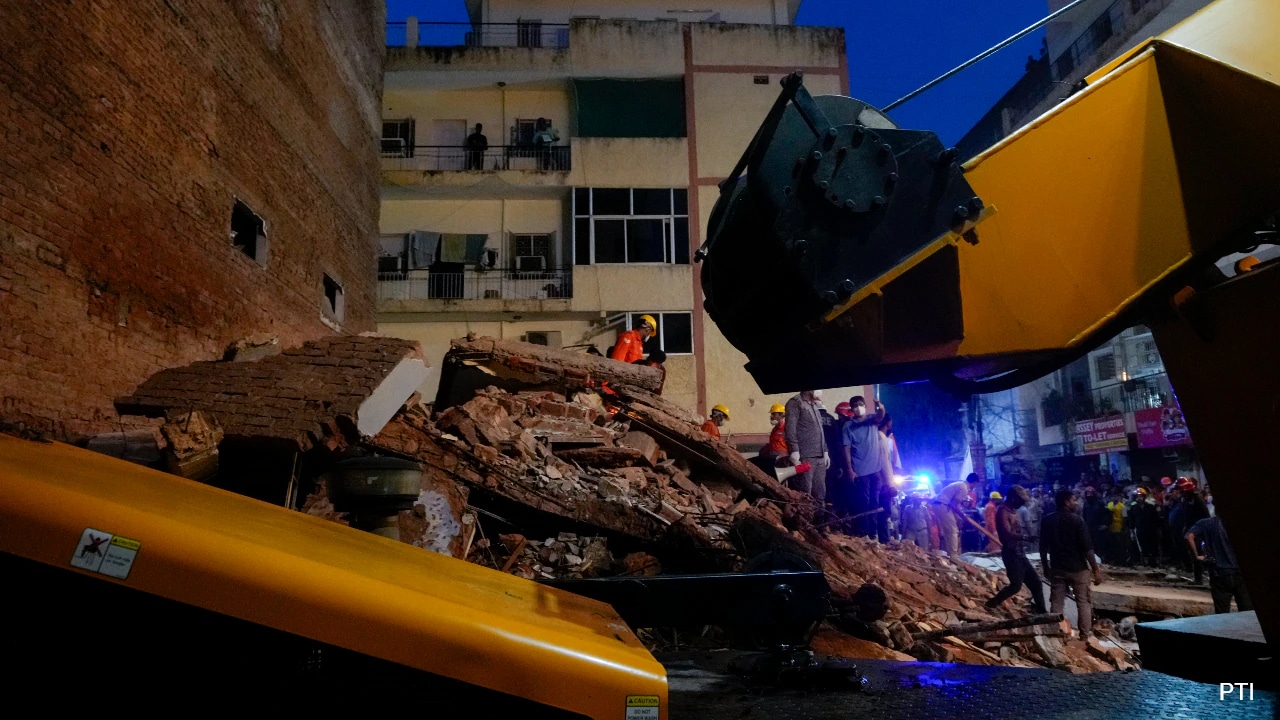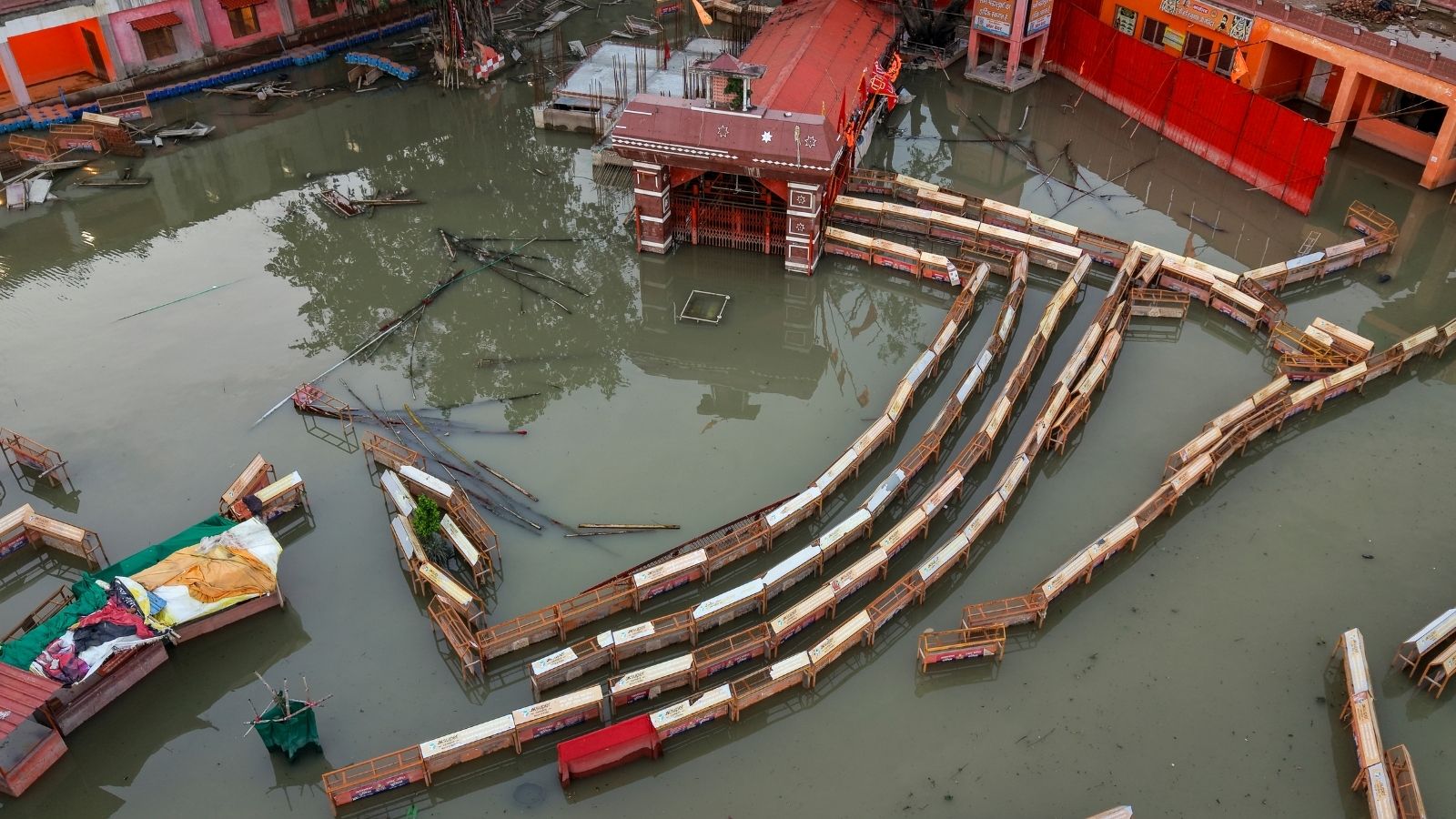
Severe flooding across 25 districts of Uttar Pradesh has triggered massive evacuation efforts, with over 19,000 people rescued. Chief Minister Yogi Adityanath has pledged immediate financial aid and housing for those affected by the unprecedented deluge.
- Over 19,454 people evacuated across 25 flood-hit districts in Uttar Pradesh.
- CM Yogi Adityanath announced housing under PM Awas Yojana for those whose homes were destroyed.
- Massive deployment of 2,075 boats and 1,072 medical teams to prevent waterborne diseases.
- Rainfall has nearly doubled compared to the previous year, leading to unprecedented infrastructure damage.
The state of Uttar Pradesh is currently battling a severe hydrological crisis, with flooding persisting in 25 districts and a total of 37 districts feeling the impact of the deluge. According to the state’s Relief Commissioner’s Officer, the scale of the disaster has necessitated an intensification of rescue operations. As of Sunday, 19,454 people have been successfully evacuated, with a significant surge of 8,264 rescues occurring in a single day. Remarkably, the government reports zero human or cattle casualties thus far.
Chief Minister Yogi Adityanath conducted a high-level review in Chitrakoot, one of the worst-hit regions. During an aerial survey and an inspection of Ramghat, the CM emphasized that government assistance would reach affected families within 24 hours. To provide immediate relief, he distributed materials to 800 families and handed over cheques of Rs 1.20 lakh to those whose homes were completely razed by the waters.
Why This Matters
BozokMedia analysis shows that the current crisis is not merely a seasonal event but a result of extreme climatic shifts. With rainfall nearly doubling from last year's 360 mm, the infrastructure—including a permanent bridge to Madhya Pradesh—has proven insufficient. This highlights a critical need for climate-resilient infrastructure in the Indo-Gangetic plain to prevent recurring economic losses.
The unprecedented volume of rainfall has transformed manageable seasonal floods into a systemic infrastructure failure, necessitating a shift from reactive relief to proactive urban and rural planning.
The administration has deployed a massive logistical network to manage the crisis. A total of 2,075 boats and motorboats are active in the field, while 1,315 flood shelters currently house nearly 6,700 displaced citizens. To combat the threat of epidemics, 1,072 medical teams have distributed over 6.47 lakh chlorine tablets and 2.49 lakh ORS packets.
Politically, the crisis has become a flashpoint. CM Adityanath criticized the previous Samajwadi Party administration, alleging that past relief efforts were negligible, claiming victims were once given only "dry bread." He contrasted this with the current distribution of 50kg relief kits containing 26 essential items, including pulses, oil, and spices, alongside dignity kits containing raincoats and buckets.
The affected districts span from east to west, including Ayodhya, Varanasi, Prayagraj, Gorakhpur, and Moradabad. The government has already extended financial assistance to 1,002 out of 1,272 damaged houses, ensuring that the recovery process begins even as water levels remain high in several regions.
| Metric | Current Status/Action |
|---|---|
| Districts Flooded | 25 Districts |
| People Evacuated | 19,454 |
| Rescue Assets | 2,075 Boats |
| Medical Response | 1,072 Teams |
Frequently Asked Questions
Q1: Which housing schemes will benefit the flood victims?
Eligible families will receive houses under the Pradhan Mantri Awas Yojana, while others will be covered under the Mukhyamantri Awas Yojana.
Q2: How is the government preventing disease outbreaks?
By deploying 1,072 medical teams and distributing hundreds of thousands of chlorine tablets and ORS packets.