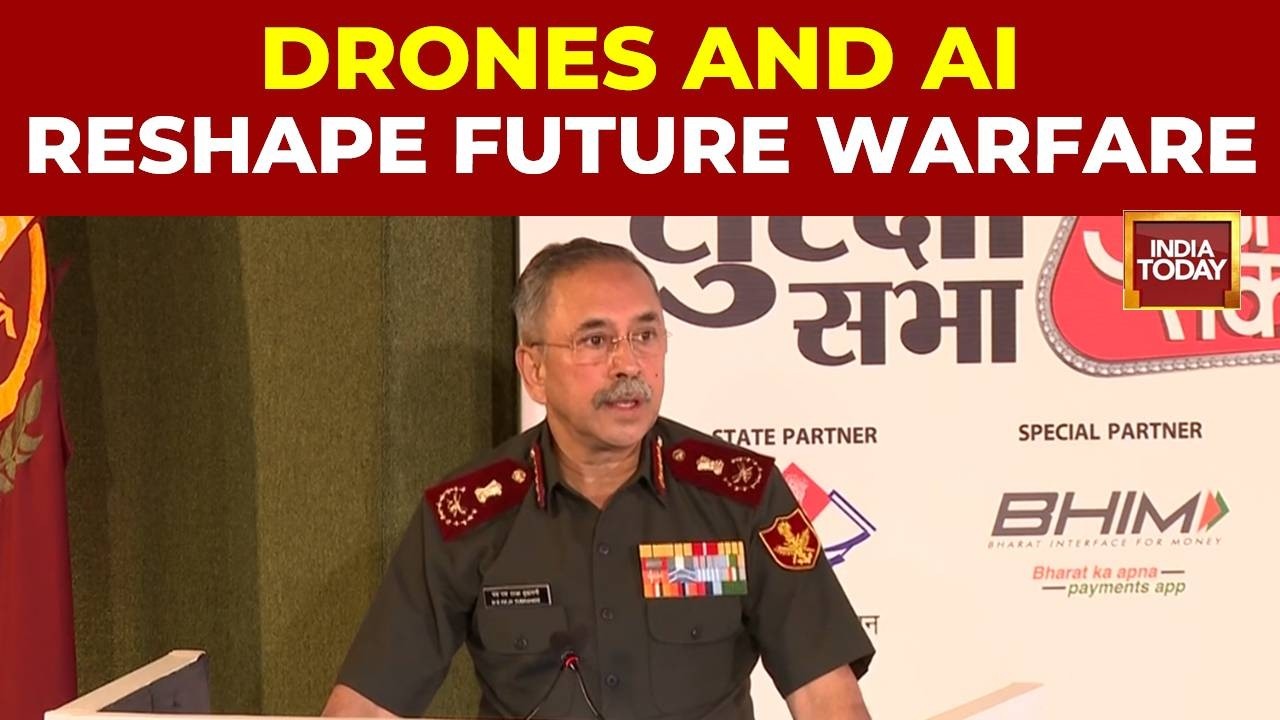
India has undergone a massive transformation from a reactive defense posture to a proactive security framework. With a surge in indigenous production and global exports, India is redefining its role on the world stage.
- India has transitioned from a reactive 'Panipat Syndrome' to a proactive national security framework.
- Indigenous defense production has surged from ₹40,000 crore to ₹1.80 lakh crore.
- Defense exports have reached ₹38,500 crore, spanning over 100 nations.
- Border infrastructure funding has seen a massive 400% increase.
India has fundamentally rewritten its strategic playbook. For decades, the nation's defense posture was characterized by what analysts termed the 'Panipat Syndrome'—a historically reactive stance where the military responded to threats only after they materialized. Today, that era is over. India has successfully transitioned into a proactive national security framework designed to deter aggression before it reaches its borders.
A cornerstone of this evolution was India's entry into the Missile Technology Control Regime (MTCR) in 2016. This pivotal move allowed India to significantly enhance the operational range and sophistication of its missile systems, most notably the BrahMos supersonic cruise missile. This technological leap has granted India unprecedented strategic depth and autonomy in its defense capabilities.
The Rise of Indigenous Defense Manufacturing
The scale of India's domestic defense manufacturing has seen an astronomical rise. Under recent administration efforts, production has climbed from approximately ₹40,000 crore to a staggering ₹1.80 lakh crore. This is not just about internal consumption; India is rapidly becoming a global defense hub. The nation's defense exports have hit ₹38,500 crore, with shipments reaching more than 100 countries worldwide.
The induction of cutting-edge military hardware has further solidified this transformation. From the Tejas fighter jets and Akashteer air defense control systems to the Pinaka rocket launchers and Astra missiles, the 'Make in India' initiative is delivering results. Furthermore, the commissioning of the aircraft carrier INS Vikrant marks a historic milestone in India's blue-water navy ambitions.
Why This Matters
BozokMedia analysis shows that this shift is as much about economic resilience as it is about military might. The expansion of the national defense budget from ₹2.5 lakh crore to nearly ₹8 lakh crore, coupled with a 400% increase in border infrastructure funding, demonstrates a long-term commitment to territorial integrity and regional stability.
India's move toward proactive defense is a definitive signal to the world that the nation is no longer a passive observer in global security dynamics.
Beyond the battlefield, India's growing civilizational and strategic influence is evident in its geopolitical maneuvers. Decisions such as the repeal of Article 370, alongside leadership roles in the International Solar Alliance, G7 dialogues, and the G20 New Delhi Leaders' Declaration, showcase a nation that is shaping global policy rather than merely following it.
Frequently Asked Questions
Question 1: What was the 'Panipat Syndrome'?
Answer: It referred to India's historical tendency to maintain a reactive defense posture, responding to threats only after they occurred rather than preventing them.
Question 2: How has India's defense budget changed?
Answer: The defense budget has increased significantly from ₹2.5 lakh crore to nearly ₹8 lakh crore over the past twelve years.