In a massive boost to regional water security, India has completed its first rock check dam in the rugged terrain of Ladakh. The structure is designed to store 40 million liters of water.
- Completion of the first-ever rock check dam in the Ladakh region.
- Capacity to store a massive 40 million liters of water.
- Strategic boost to water security and flood control in the Indus basin.
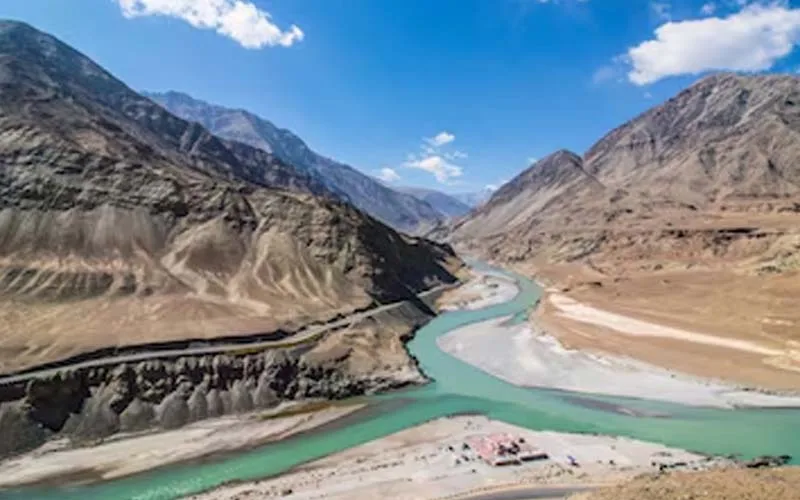
India has achieved a significant engineering milestone by completing the first rock check dam in the high-altitude, challenging terrain of Ladakh. This project marks a transformative step in managing water resources within the critical Indus River basin.
The newly constructed dam boasts a massive storage capacity of 40 million liters of water. In the arid and high-altitude environment of Ladakh, where water scarcity is a perennial issue, this infrastructure will serve as a vital resource for local communities, livestock, and potential agricultural expansion.
Why This Matters
BozokMedia analysis shows that water management in Ladakh is not just a logistical necessity but a strategic imperative. By regulating the flow of water, these check dams mitigate the risks of flash floods caused by rapid glacial melting and ensure a steady supply during drier months, thereby stabilizing the local ecosystem.
The successful deployment of rock-fill technology in such extreme altitudes demonstrates India's growing prowess in specialized mountain engineering.
Historical Background: Ladakh has long struggled with seasonal water volatility. As global warming accelerates glacial retreat, the region faces a dual threat of sudden flooding and long-term water shortages. The shift toward specialized structures like rock check dams is a direct response to these evolving climatic challenges.
Beyond storage, this project enhances the resilience of the local landscape against erosion. It aligns perfectly with India's national mission for water conservation, ensuring that every drop of meltwater is captured and utilized effectively for the region's sustainable development.
Frequently Asked Questions
Question 1: What is the primary purpose of this dam?
Answer: The primary purpose is to store 40 million liters of water to combat scarcity and regulate water flow in Ladakh.
Question 2: How does this help the local population?
Answer: It provides a reliable water source for irrigation and domestic use while protecting against flash floods.