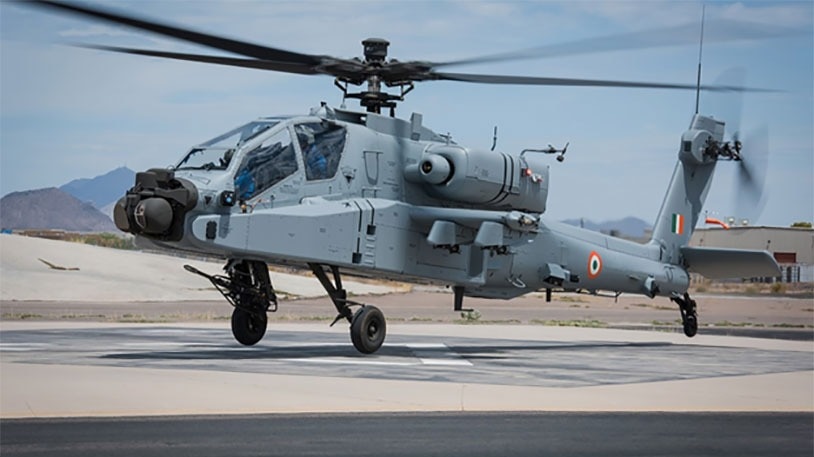
The Defence Acquisition Council (DAC) has granted in-principle approval for defense procurements worth ₹1.10 lakh crore. In a massive boost to 'Make in India', nearly 98% of these acquisitions will be sourced from domestic industry.
- DAC, chaired by Rajnath Singh, approved ₹1.10 lakh crore in defense proposals.
- 98% of the procurements will be sourced from the Indian industry.
- Upgrades include advanced radars, helicopters, jammers, and CBRN vehicles.
In a landmark move to bolster national security, the Defence Acquisition Council (DAC), chaired by Defence Minister Rajnath Singh, has granted 'Acceptance of Necessity' (AoN) for defense procurement proposals valued at approximately ₹1.10 lakh crore. This massive infusion of capital is aimed at drastically enhancing the operational capabilities of the Indian Army, Navy, and Air Force.
Comprehensive Upgrades Across All Wings
The Indian Army is set to receive critical assets including Chemical Biological Radiological and Nuclear (CBRN) reconnaissance vehicles, designed to detect and monitor contaminated zones. Additionally, High Mobility Vehicles (HMVs) and Self-Propelled Mechanical Mine Layers (MMLs) will be inducted to improve logistics and mine-laying responsiveness in treacherous terrains. The deployment of Advanced Light Helicopters (ALHs) will further expand aerial support capabilities.
For the Indian Navy, the focus is on technological sovereignty. The DAC has approved the procurement of Arudhra Radars to replace aging surveillance systems. Crucially, the council has cleared the design and development of indigenous Marine Gas Turbines (MGTs), a move intended to eliminate reliance on foreign suppliers for warship propulsion systems.
Why This Matters
BozokMedia analysis shows that this procurement strategy is a masterstroke in shifting India from being one of the world's largest arms importers to a self-reliant defense manufacturer. By mandating that 98% of the acquisitions come from Indian industry, the government is effectively fueling a domestic industrial revolution in the defense sector.
This allocation marks a definitive shift towards strategic autonomy and technological indigenization for India's defense ecosystem.
The Indian Air Force will benefit from advanced Ground-Based Multi-Purpose Jammers (GBMPJs), capable of neutralizing adversary radar networks. Furthermore, the implementation of the Defence Forces Secure Access Card (DEFSAC) system will modernize security protocols by replacing paper permits with interoperable RFID-based smart cards.
Historical Background
Historically, India's defense procurement was heavily skewed towards foreign Original Equipment Manufacturers (OEMs). However, under the recent push for Atmanirbhar Bharat, the Ministry of Defence has aggressively prioritized domestic vendors, leading to a significant rise in indigenous production of complex systems like radars and engines.
Frequently Asked Questions
Question 1: How does this benefit the Indian economy?
Answer: Since 98% of the funds will be spent on Indian companies, it will create massive employment and boost domestic manufacturing sectors.
Question 2: What are CBRN vehicles used for?
Answer: They are specialized vehicles used to identify and monitor areas contaminated by chemical, biological, radiological, or nuclear agents.