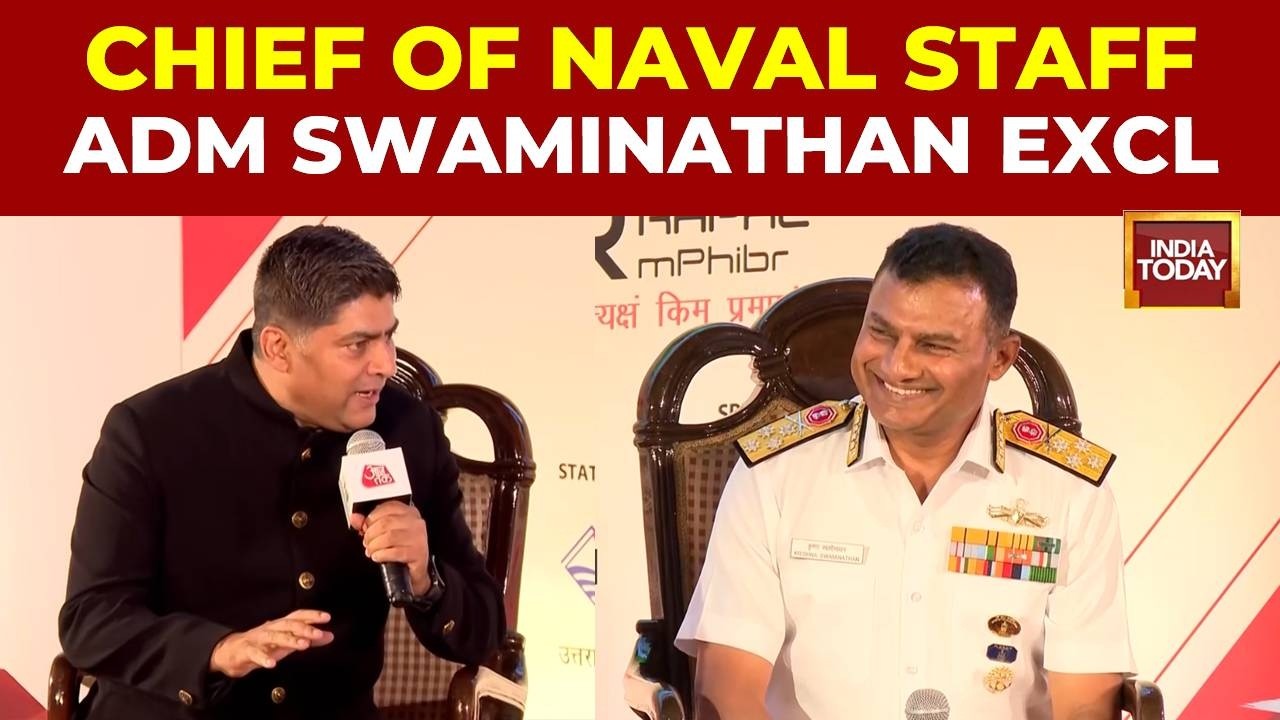
In a significant strategic move, the Indian Navy has deployed warships to critical maritime hotspots to safeguard regional stability and counter evolving modern warfare threats.
- Indian Navy intensifies presence in strategic maritime hotspots.
- Shift from conventional conflict to 'grey-zone' competition and cyber warfare.
- Critical need for AI and rapid sensor-to-shooter capabilities.
The Indian Navy has strategically pre-positioned its warships in critical maritime hotspots to ensure regional stability and maintain a robust presence in the Indian Ocean Region. This deployment comes at a time when maritime security challenges are evolving from traditional naval engagements to complex, multi-dimensional threats.
Modern warfare has undergone a fundamental transformation. It is no longer defined by isolated, large-scale battles but has transitioned into an ongoing continuum. This new reality blurs the lines between peace, conventional conflict, and 'grey-zone' competition. Threats now manifest through economic coercion, sophisticated cyber activities, and coordinated information operations that occur below the threshold of open warfare.
Why This Matters
BozokMedia analysis shows that the democratization of technology has leveled the playing field, allowing non-state actors to access advanced capabilities such as low-cost drones and networked intelligence. This shift necessitates a move away from traditional heavy-metal naval doctrines toward highly integrated, tech-driven operations.
The compression of the sensor-to-shooter cycle from hours to seconds demands unparalleled decision superiority through artificial intelligence.
The technical landscape of the battlefield is becoming increasingly transparent. As sensors become more pervasive, the speed at which intelligence is converted into action—the 'sensor-to-shooter' cycle—has shrunk from hours to mere minutes or even seconds. To maintain an operational advantage, the Indian Navy must leverage robust data infrastructure and algorithmic processing to ensure rapid comprehension and execution.
Historical Background
For centuries, naval power was measured by the number of cannons and the size of the fleet. However, the digital revolution has introduced a new dimension. Today, a single cyber-attack on maritime logistics or a swarm of low-cost drones can disrupt a carrier strike group, making technological intelligence as vital as firepower.
Frequently Asked Questions
1. Why is the Indian Navy deploying warships now?
To ensure regional stability and act as a deterrent against emerging maritime threats in sensitive zones.
2. What is the 'sensor-to-shooter' cycle?
It is the time taken from detecting a target with sensors to engaging it with a weapon system.

