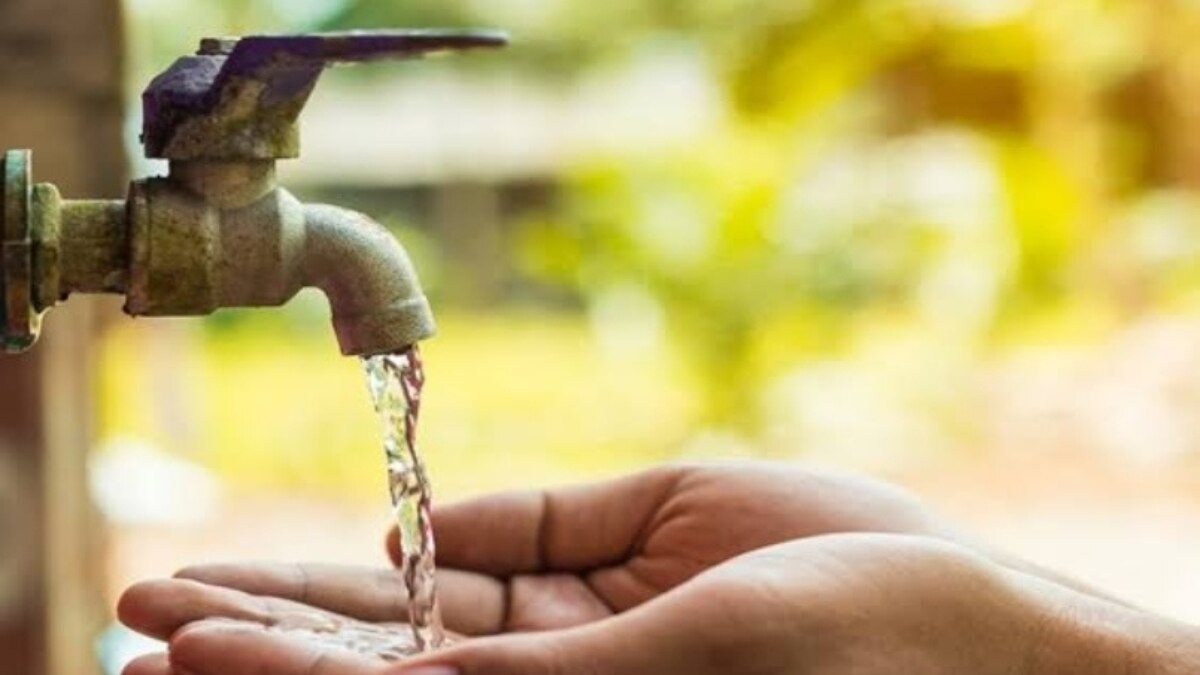
Uttar Pradesh has emerged as a leader in India's rural water expansion, providing tap water connections to over 2.36 crore households and laying over 5 lakh km of pipelines.
- Uttar Pradesh has provided tap water connections to over 2.36 crore rural households.
- Over 5.07 lakh km of pipelines have been laid across the state.
- More than 26,000 villages have achieved 'Har Ghar Jal' certification.
- The mission has been extended to December 2028 as JJM 2.0.
Uttar Pradesh has solidified its position as a frontrunner in India's massive rural water infrastructure drive. Under the flagship Jal Jeevan Mission (JJM), the state has successfully connected more than 2.36 crore rural households to piped water systems. This monumental feat is supported by an extensive network of over 5 lakh kilometers of pipelines, aiming to transform the landscape of rural living in India's most populous state.
Scale of Infrastructure and Progress
The sheer scale of the operation in Uttar Pradesh is unprecedented. With a target to cover all 2.62 crore rural households by 2028, the state has made rapid strides. By early 2026, more than 26,000 villages in Uttar Pradesh had been officially certified under the 'Har Ghar Jal' program, signifying that every single household in these villages has reported access to functional tap water. This progress is a testament to the massive logistical effort involved in laying 5.07 lakh km of pipelines across diverse terrains.
Why This Matters
BozokMedia analysis shows that Uttar Pradesh's success is a critical bellwether for the entire nation. Because the state possesses India's largest rural population base, its ability to execute large-scale water projects directly dictates the success or failure of the national Jal Jeevan Mission targets. A successful model in UP provides a scalable blueprint for other large, populous states across the subcontinent.
The transition from mere connectivity to ensuring water quality and sustainability is the next frontier for rural India.
The Evolution to JJM 2.0
Recognizing the complexity of maintaining such a vast network, the Union Cabinet restructured the initiative into JJM 2.0 in March 2026, extending the deadline to December 2028. The total outlay for the mission has been significantly increased to ₹8.69 lakh crore. This new phase moves beyond mere construction, placing a heavy emphasis on structural reforms, digital monitoring via the Jal Saarthi app, and ensuring the long-term sustainability of water sources through rainwater harvesting and grey-water management.
| Metric | Details |
|---|---|
| Rural Connections (UP) | 2.36 Crore+ |
| Pipelines Laid | 5.07 Lakh km+ |
| Certified Villages | 26,000+ |
| Mission Deadline | December 2028 |
Frequently Asked Questions
1. What does 'Har Ghar Jal' certification mean?
It is a certification given to villages where every household has a functional tap connection providing adequate and safe drinking water.
2. What is the main focus of JJM 2.0?
JJM 2.0 focuses on the reliability of supply, water quality monitoring, and the sustainability of water sources through digital tracking and structural reforms.