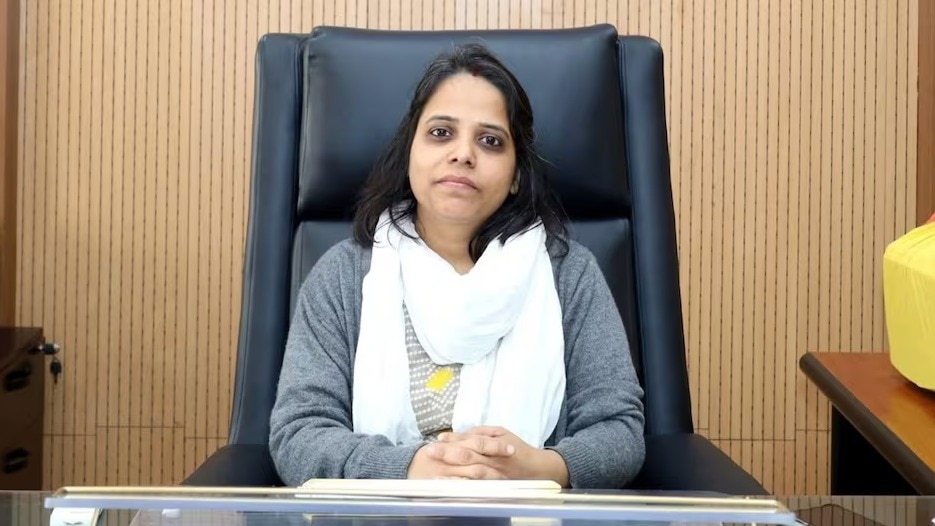
Madhya Pradesh IAS officer Neha Marvya Singh has voiced her deep frustration after being transferred four times in a single year, alleging a 'mutiny' by subordinates and a systemic failure.
- IAS Officer Neha Marvya Singh transferred 4 times within 12 months.
- Allegations of 'mutiny' and threats from subordinates to force her transfer.
- Officer describes herself as 'disturbed', 'demotivated', and 'humiliated'.
- Concerns raised over the erosion of administrative authority.
In a startling revelation of administrative instability, Neha Marvya Singh, an IAS officer in Madhya Pradesh, has expressed profound resentment after her name appeared on the transfer list for the fourth time in a single year. Her most recent tenure lasted a mere 50 days, a duration she describes as "humiliating," suggesting that the state's administrative machinery is being manipulated by internal factions.
Writing to the MP IAS Officers' Association, the 40-year-old officer detailed a toxic work environment where subordinates allegedly staged a "mutiny" against her. Singh claimed that employees, whose administrative control lay with the department rather than her directly, resorted to intimidation, including thumping on her desk and threatening to have her transferred. Despite reporting this insubordination and the hoarding of official files through proper channels, the response from the government was not disciplinary action against the staff, but the transfer of the officer herself.
Why This Matters
BozokMedia analysis shows that when the state allows subordinates to dictate the tenure of a senior civil servant, it creates a dangerous precedent. This 'inverted power structure' destroys the morale of honest officers and signals to the bureaucracy that political lobbying and insubordination are more effective tools for survival than merit and discipline. Such instability directly hampers the delivery of public services.
"The frequent shuffling of civil servants under the guise of administrative exigency often masks political vendettas or a failure to protect officers from internal sabotage."
Singh questioned the very vulnerability of the IAS cadre, asking if an officer is so powerless that subordinates can orchestrate their removal within a month of joining. She emphasized that it takes at least a month just to understand the basic functions of a department, making a 50-day tenure functionally useless. She further lamented that she had remained patient for years while being "sidelined," only for the situation to escalate into open threats.
Historical Background: The phenomenon of 'punishment transfers' is not new in India. Civil servants often find themselves shifted frequently if they clash with political masters or powerful local interests. While the Supreme Court has previously suggested fixed tenures for bureaucrats to ensure stability, these guidelines are frequently ignored by state governments.
| Metric | Standard Administrative Norm | Neha Marvya Singh's Case |
|---|---|---|
| Average Tenure | 2-3 Years | ~3 Months (4 transfers/year) |
| Response to Misconduct | Disciplinary Action against Staff | Transfer of the Superior Officer |
| Operational Impact | Policy Continuity | Immediate Displacement |
Frequently Asked Questions
Q1: Why does Neha Marvya Singh feel the system has failed her?
A: She feels the system failed because instead of penalizing subordinates for mutiny and insubordination, the administration rewarded them by transferring her.
A: Short tenures prevent officers from implementing long-term projects, understanding departmental nuances, and establishing authority, leading to inefficient governance.