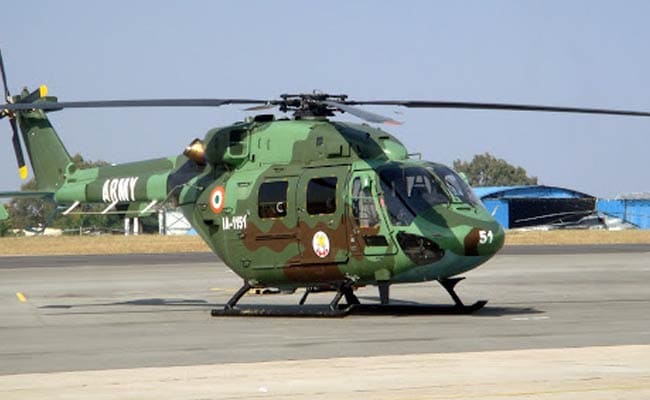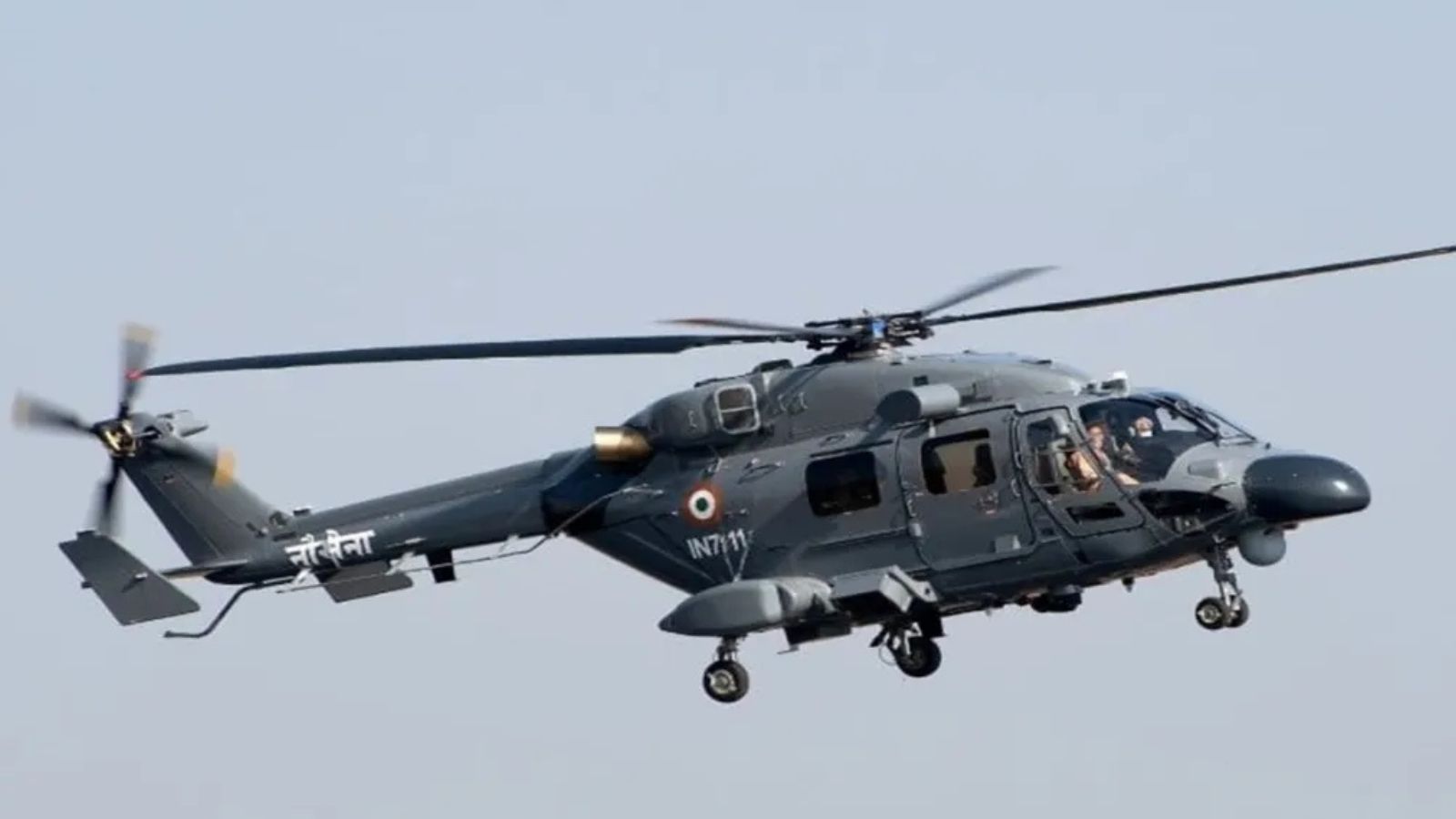
The Defence Acquisition Council (DAC) has approved military procurements worth ₹1,10,000 crore, focusing on indigenous technology for the Army, Navy, and Air Force.
- DAC approved military acquisitions worth approximately ₹1,10,000 crore.
- Nearly 98% of these procurements will be sourced from the Indian industry.
- Key assets include CBRN vehicles, Arudhra Radars, and Advanced Light Helicopters.
New Delhi: In a monumental move to strengthen national security, India’s Defence Acquisition Council (DAC) has accorded the green light for military procurements valued at approximately ₹1,10,000 crore. This massive investment is aimed at drastically enhancing the combat, surveillance, and logistical capabilities of the Indian Army, Navy, and Air Force.
The approved list includes a wide array of sophisticated hardware, such as Chemical, Biological, Radiological and Nuclear (CBRN) Recce Vehicles, High Mobility Vehicles (HMVs), and Self-Propelled Mechanical Mine Layers (MML) for the Army. These technologies are crucial for operating in challenging terrains and responding to unconventional warfare threats.
Why This Matters
BozokMedia analysis shows that this decision marks a strategic shift from being one of the world's largest arms importers to becoming a self-reliant defense manufacturer. By earmarking 98% of the procurement for Indian industry, the government is effectively fueling the 'Atmanirbhar Bharat' (Self-Reliant India) vision and boosting the domestic defense ecosystem.
This massive capital infusion into indigenous defense tech is a game-changer for India's strategic autonomy.
For the Indian Navy, the focus is on advanced surveillance and propulsion. The approval includes the Arudhra Radar, an indigenous 4D multi-function phased array radar developed by DRDO and manufactured by BEL. Additionally, the procurement of Marine Gas Turbines (MGT) aims to reduce the Navy's historical reliance on Russian-made propulsion systems for its warships.
The Indian Air Force (IAF) will also see significant upgrades. Proposals to enhance the war-fighting capabilities of fighters, transport aircraft, and helicopters have been cleared. Furthermore, the introduction of Ground-Based Multi-Purpose Jammers (GBMPJ) will provide the IAF with advanced electronic warfare capabilities to neutralize adversary radar systems.
Historical Background
Historically, India's military modernization was heavily dependent on foreign OEMs (Original Equipment Manufacturers) from Russia, France, and the US. However, over the last decade, the Ministry of Defence has aggressively implemented policies to prioritize domestic manufacturing, leading to a surge in indigenous production of everything from small arms to complex radar systems and aircraft components.
| Asset Category | Target Service | Primary Function |
|---|---|---|
| CBRN Vehicles | Indian Army | Detection of toxic/nuclear agents |
| Arudhra Radar | Indian Navy | 4D multi-function surveillance |
| Marine Gas Turbines | Indian Navy | Warship propulsion & power |
Frequently Asked Questions
1. What is the significance of the 98% indigenous procurement rule?
It ensures that the majority of the defense budget stays within the country, supporting local jobs and technological innovation.
2. How will the new radars help the Navy?
The Arudhra radars will replace older surveillance radars, providing much better detection and tracking of aerial threats.