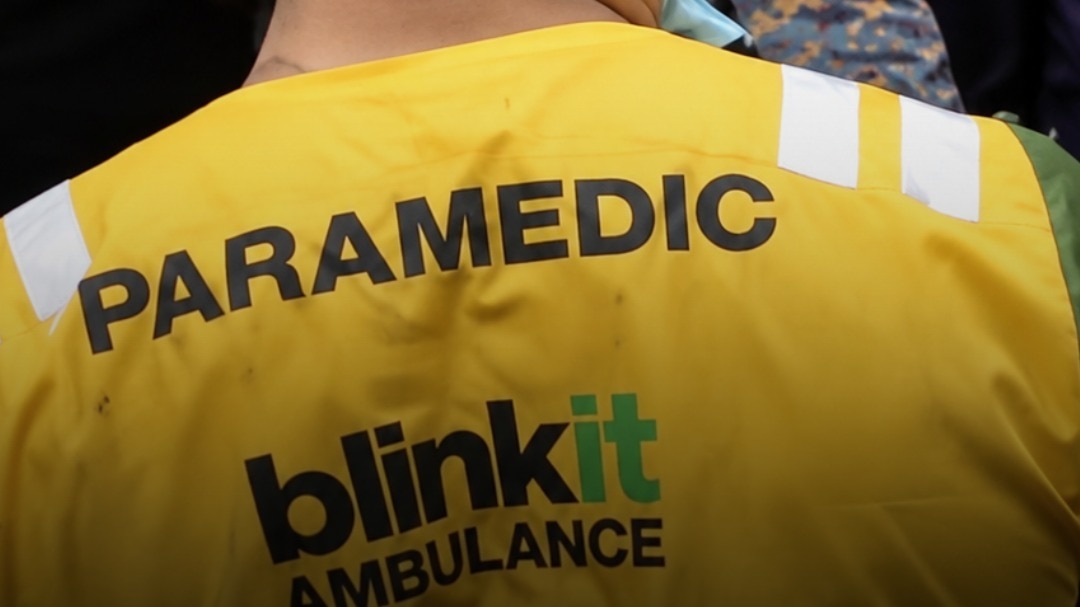
In a remarkable display of rapid response, Blinkit paramedics and quick-commerce delivery partners were the first to arrive at a building collapse site to provide aid. Their presence turned a chaotic scene into a coordinated rescue effort.
- Blinkit paramedics arrived at the building collapse scene before traditional emergency services.
- Quick-commerce responders played a critical role in providing immediate first aid.
- The incident highlights the potential of hyper-local delivery networks as emergency assets.
In a stunning turn of events following a structural collapse, Blinkit paramedics and quick-commerce responders have emerged as unexpected heroes. While traditional emergency services were navigating traffic and logistical hurdles, the rapid-response capability of the Q-comm network allowed medical personnel to reach the site almost instantly.
The incident, which occurred in a densely populated area, saw Blinkit personnel utilizing their hyper-local presence to provide immediate assistance to those trapped under the debris. Their ability to navigate narrow streets and respond with urgency proved vital in the 'golden hour' of rescue operations.
Why This Matters
BozokMedia analysis shows that the evolution of Quick-Commerce in urban India has created a massive, decentralized network of highly mobile individuals. This infrastructure, while designed for retail, possesses the unique capability to act as a decentralized emergency response layer in urban crisis management.
The speed of quick-commerce logistics is being redefined from mere consumer convenience to a critical component of urban resilience.
This event raises significant questions regarding the integration of private logistics networks with public emergency services. If formalized, the synergy between delivery giants and municipal disaster management could drastically reduce response times in metropolitan cities.
Historical Background
The rise of Quick-Commerce (Q-comm) in India has transformed urban consumer behavior. Moving beyond standard e-commerce, companies like Blinkit, Zepto, and Swiggy Instamart have built sophisticated micro-fulfillment centers that allow for near-instantaneous movement of goods and personnel across city grids.
Frequently Asked Questions
Question 1: Are Blinkit employees trained for medical emergencies?
While primarily delivery partners, Blinkit employs specialized paramedics who are trained to provide immediate medical intervention.
Question 2: How does Q-comm help in disaster management?
Their hyper-local presence and real-time tracking allow them to reach specific locations faster than many centralized services.