A Delhi court has rejected the anticipatory bail plea of YouTuber Ajeet Bharti in a case involving alleged casteist remarks under the SC/ST Act.
- Delhi court dismissed YouTuber Ajeet Bharti's plea for anticipatory bail.
- The case is registered under the stringent SC/ST (Prevention of Atrocities) Act.
- The FIR followed a complaint by the Azad Samaj Party (Kanshi Ram).
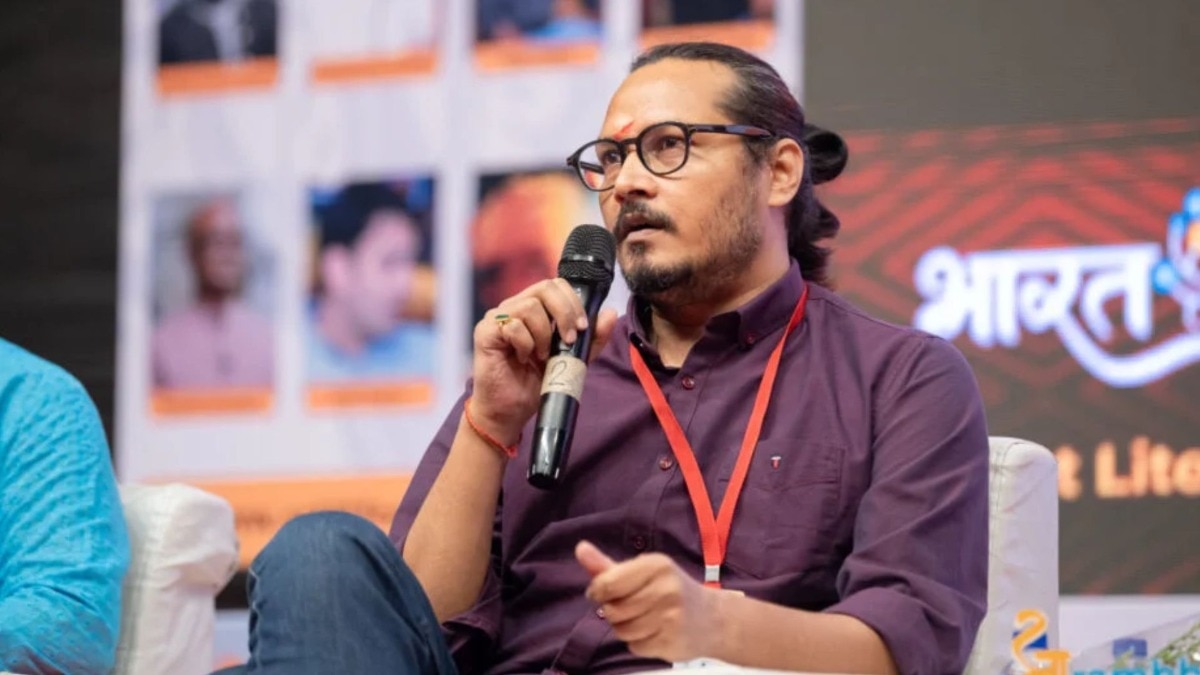
In a significant legal development, a Delhi court on Monday rejected the anticipatory bail plea of YouTuber and prominent reservation reform activist Ajeet Bharti. The ruling comes in connection with a case registered against him under the SC/ST (Prevention of Atrocities) Act, following allegations of making casteist and objectionable remarks.
The legal proceedings trace back to August, when a complaint was lodged at the North Avenue police station in Delhi. The complaint was filed by the Delhi unit president of the Azad Samaj Party (Kanshi Ram), a political entity led by Nagina MP Chandrasekhar Azad. The allegation centers on a clip from Bharti's YouTube broadcast titled 'SB79: Reservation Hatao Andolan Nautanki & More'.
Historical Background and Context
The controversy erupted shortly after a massive gathering at New Delhi's Jantar Mantar, where groups opposing certain UGC equity norms and seeking reforms in caste-based reservations demonstrated their strength. Bharti, a vocal figure in the movement for reservation reform, had been using his digital platform to critique current reservation structures, which has often placed him in direct opposition to Dalit-led political organizations.
Bharti had previously dismissed the FIR as 'pressure-driven,' asserting that his comments were misconstrued and that the legal action would not hold up in a court of law. His legal counsel argued during Monday's hearing that no casteist slurs were used and that the remarks were a reaction to provocations directed at his family.
Why This Matters
BozokMedia analysis shows that this case highlights the intensifying legal friction between digital influencers driving social reform narratives and the legal frameworks designed to protect marginalized communities. As digital discourse becomes increasingly polarized, the judicial interpretation of 'objectionable remarks' on social media is becoming a critical battleground.
Legal analysts suggest that the stringent nature of the SC/ST Act often makes the threshold for granting anticipatory bail exceptionally high to prevent the dilution of the law's intent.
The Delhi Police argued that the plea was not maintainable, stating that the mere registration of an FIR does not automatically create an apprehension of arrest. However, Additional Sessions Judge Saurabh Pratap Singh dismissed the plea, leaving Bharti facing potential arrest as the investigation proceeds.
Frequently Asked Questions
1. What is the primary charge against Ajeet Bharti?
He is accused of making casteist and abusive remarks during a YouTube broadcast, violating the SC/ST Act.
2. Who filed the complaint against him?
The complaint was filed by the Delhi unit president of the Azad Samaj Party (Kanshi Ram).