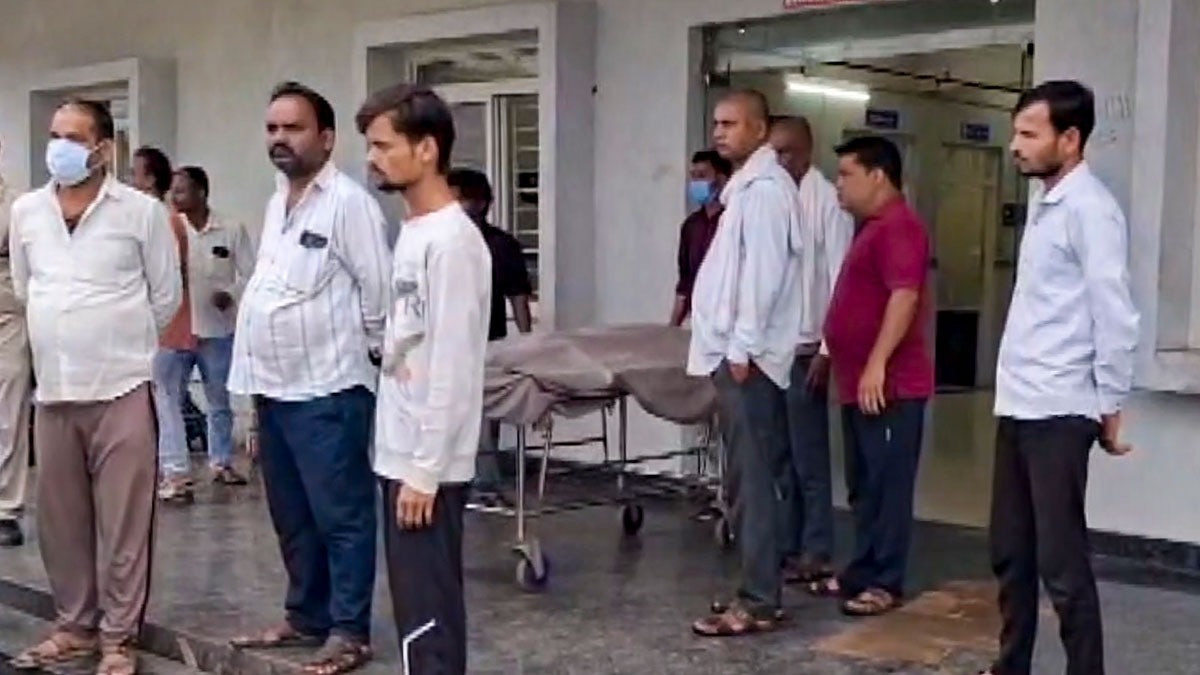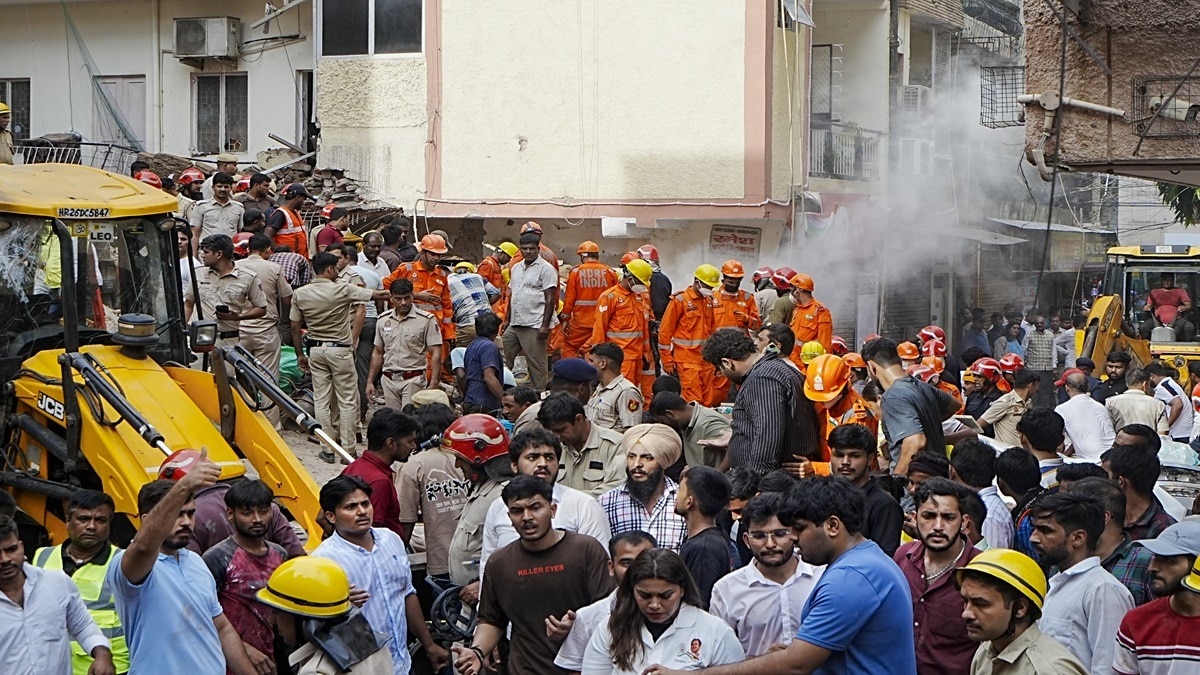
A ground investigation reveals that despite a deadly building collapse that claimed seven lives, unsafe and unauthorized PG accommodations continue to operate in Delhi's Satya Niketan. The findings highlight a systemic failure in civic oversight and a desperate shortage of safe student housing.
- Seven students died in a recent PG building collapse in Satya Niketan, Delhi.
- Investigations show unauthorized five-story buildings on tiny plots are still renting rooms.
- Severe lack of student hostels forces youth into 'death trap' private rentals.
- Delhi High Court has ordered a high-level inquiry into MCD's failure to monitor constructions.
The tragedy in Satya Niketan, where seven students lost their lives in a building collapse, was supposed to be a wake-up call for the capital's administration. However, a recent ground investigation reveals a chilling reality: the business of renting out unsafe, unauthorized rooms continues unabated. Just meters away from the site of the disaster, brokers are still pitching rooms to unsuspecting students, ignoring visible structural red flags.
During the investigation, a broker from Sai Properties offered rooms in a five-story building where dampness was visible on the walls and water leaked from pipelines. These rooms, priced between ₹9,000 and ₹20,000, are being marketed to students who are fleeing their old PGs out of fear, only to be lured into similarly precarious structures. The lack of basic safety lighting in staircases and the sheer height of these buildings on small plots suggest a complete disregard for building bylaws.
The crisis extends deeper into the narrow lanes of Moti Bagh village. Here, the India Today team found buildings where additional floors had been added to old structures without reinforcing the foundations. The lanes are so narrow that emergency services, including fire engines and ambulances, would find it nearly impossible to navigate during a crisis, effectively turning these residential hubs into death traps.
Why This Matters
BozokMedia analysis shows that this is not merely a case of a few greedy landlords, but a systemic failure of the Municipal Corporation of Delhi (MCD). When nearly 200 out of 299 houses in a single locality are operating as commercial PGs—many with illegal extensions—it points to a culture of institutional blindness or corruption. The demand-supply gap in student housing allows these operators to exploit vulnerable students who have no choice but to accept unsafe conditions for the sake of proximity to their colleges.
The failure to regulate student housing in Delhi is a ticking time bomb where profit is consistently prioritized over human life.
The Delhi High Court has now stepped in, demanding a high-level inquiry into whether the collapsed building had valid permissions. The court has specifically asked the MCD to fix responsibility on officials and conduct a comprehensive audit of all PG hostels to ensure compliance with safety bylaws. Furthermore, the court has urged the government and Delhi University to drastically increase the number of official hostels to break the monopoly of private 'death traps'.
| Feature | Regulated Hostels | Unauthorized PGs (Satya Niketan) |
|---|---|---|
| Structural Audit | Mandatory/Periodic | Rarely or Never Done |
| Fire Safety Access | Standardized Access | Narrow Lanes/Blocked Access |
| Floor Height | As per Bylaws | Illegal Additional Floors |
Frequently Asked Questions
Q1: Why are students still moving into these unsafe PGs?
Due to the extreme shortage of university hostels and the need to live close to campus, students often prioritize affordability and location over structural safety, which they are not equipped to assess.
Q2: What action is the Delhi High Court taking?
The court has ordered the MCD to conduct a high-level probe, identify officials responsible for allowing illegal constructions, and audit all PG hostels in the area.