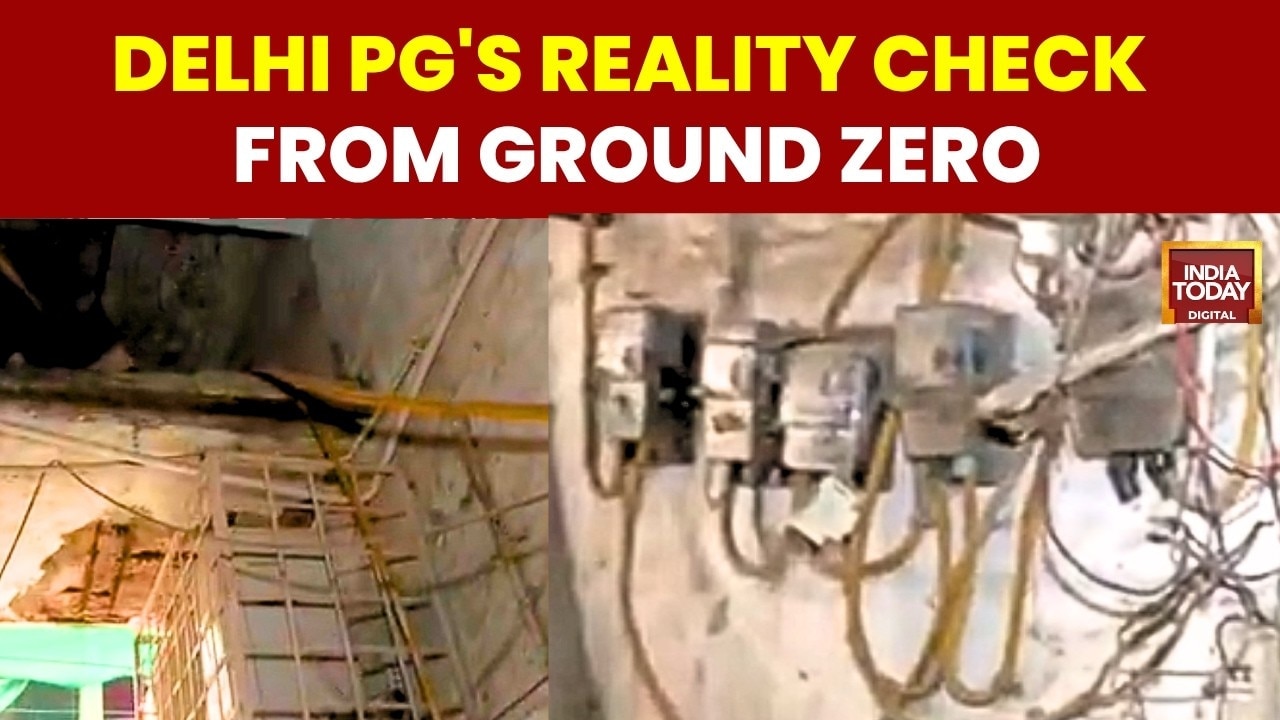
The death toll has climbed to seven following the collapse of a PG accommodation in Delhi's Satya Niketan. NDRF teams are conducting intensive rescue operations.
- The death toll from the Satya Niketan building collapse has reached 7.
- NDRF is utilizing heartbeat detectors and canine squads to locate survivors.
- Structural instability remains a major hurdle for the ongoing rescue mission.
A massive tragedy has struck the student hub of Satya Niketan in Delhi, where a building housing paying guests (PGs) collapsed, leaving at least seven people dead. The National Disaster Response Force (NDRF) confirmed that another body was recovered from the basement, bringing the casualties to a grim new high.
Rescue operations are currently in full swing. According to official reports, 12 individuals have been successfully evacuated from the debris so far. However, the exact number of people still trapped under the rubble remains unconfirmed, fueling fears that more casualties may be reported as the search continues.
Complex Rescue Operations
The rescue mission is proving to be exceptionally difficult due to the extreme structural instability of the remaining edifice. To navigate this danger, the NDRF is employing a sophisticated array of tools, including shoring equipment, hydraulic jacks, breaching tools, and heartbeat detectors. Additionally, canine squads have been deployed to sniff out any signs of life amidst the concrete and twisted metal.
Why This Matters
BozokMedia analysis shows that this incident highlights the dangerous intersection of high rental demands and unregulated urban construction. In student-heavy localities like Satya Niketan, the pressure to accommodate more residents often leads to illegal basement constructions and the ignoring of structural safety norms, turning residential buildings into death traps.
The collapse in Satya Niketan is a stark reminder of the lethal consequences of prioritizing profit over structural integrity in student housing.
Historical Background: Delhi's student neighborhoods have seen a massive surge in PG accommodations over the last decade. This rapid expansion has often outpaced municipal oversight, leading to a proliferation of buildings that lack basic fire safety and structural certifications, making them highly vulnerable to disasters.
Frequently Asked Questions
Q1: What is the current status of the rescue operation?
A: The NDRF is actively searching for survivors using advanced technology, but structural instability is slowing progress.
Q2: How many people have been rescued so far?
A: So far, 12 individuals have been evacuated from the site.