The Supreme Court of India has scrutinized the government's response to the alleged deaths of three Indian sailors in the Black Sea, questioning rescue efforts and compensation hurdles.
- SC heard a PIL regarding the fate of three Indian sailors killed in Black Sea attacks.
- The CJI highlighted the jurisdictional limits of intervening in a foreign sovereign territory.
- The Centre stated that death certificates are mandatory for processing compensation.
- Petitioners requested a review of employment contracts for sailors sent to conflict zones.
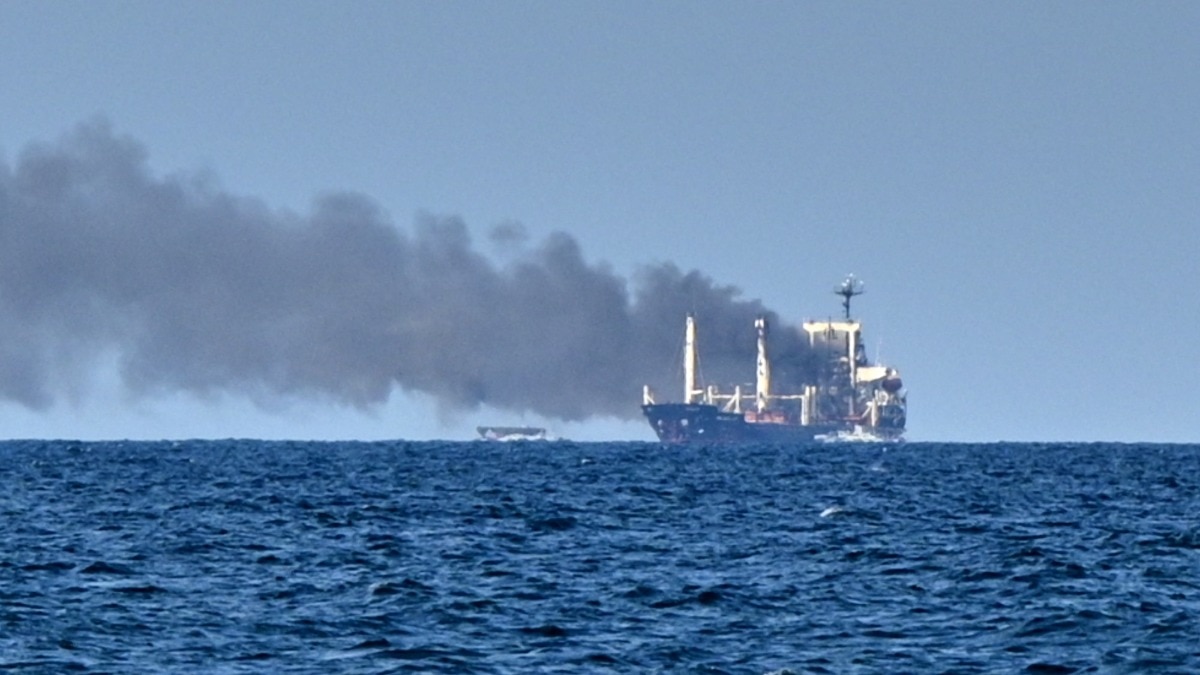
New Delhi: In a significant legal proceeding, the Supreme Court on Monday heard a Public Interest Litigation (PIL) concerning the alleged deaths of three Indian sailors during attacks in the Black Sea. The hearing took place against the backdrop of the ongoing Russia-Ukraine war, with the petitioner alleging a lack of proactive effort by the Indian government and other involved nations to rescue or locate the crew.
The counsel for the petitioner argued that the Ministry of External Affairs (MEA) had failed to take adequate measures to ascertain the fate of the sailors. Specifically, it was noted that the Romanian ambassador had indicated that no search-and-rescue operations were conducted after July 26. In response, the Centre maintained that Indian embassies are actively coordinating with the diplomatic missions of Ukraine and Romania.
BozokMedia analysis shows that this case transcends a simple rescue mission; it touches upon the systemic vulnerability of Indian seafarers employed by international shipping firms. The legal crux lies in whether the Indian state can hold private employers accountable for deploying crew into "high-risk" waters without adequate safety guarantees or informed consent. This case could set a precedent for the protection of Indian citizens working in global conflict zones.
During the proceedings, the Chief Justice of India (CJI) observed that while the situation is "unfortunate," there are strict limits to what the Indian government can do within the sovereign territory of another nation. In a pointed remark regarding the limits of domestic jurisdiction, the CJI asked, "Do you want us to send Delhi Police to Ukraine?"
"The intersection of maritime law and sovereign immunity makes the recovery of remains and evidence in war zones an uphill diplomatic battle."
Representing the Centre, J. Bagchi argued that since no formal declaration of war had been made by the involved parties, the Geneva Conventions could not be invoked in the manner suggested by the petitioner. He emphasized that the MEA's role is primarily to facilitate compensation claims from the respective shipping companies.
A critical point of contention arose regarding the employment contracts. The petitioner urged the court to examine whether the sailors were coerced into working in hazardous areas such as the Strait of Hormuz, the Red Sea, or the Black Sea, noting that no professional would willingly enter such zones without extreme compulsion.
1. What is the primary obstacle in providing compensation to the families?
The Indian government has stated that compensation cannot be granted without the provision of a formal death certificate.
2. What did the petitioner request the Supreme Court to examine?
The petitioner requested the court to review the employment contracts to see if sailors were forced to work in conflict-hit waters.