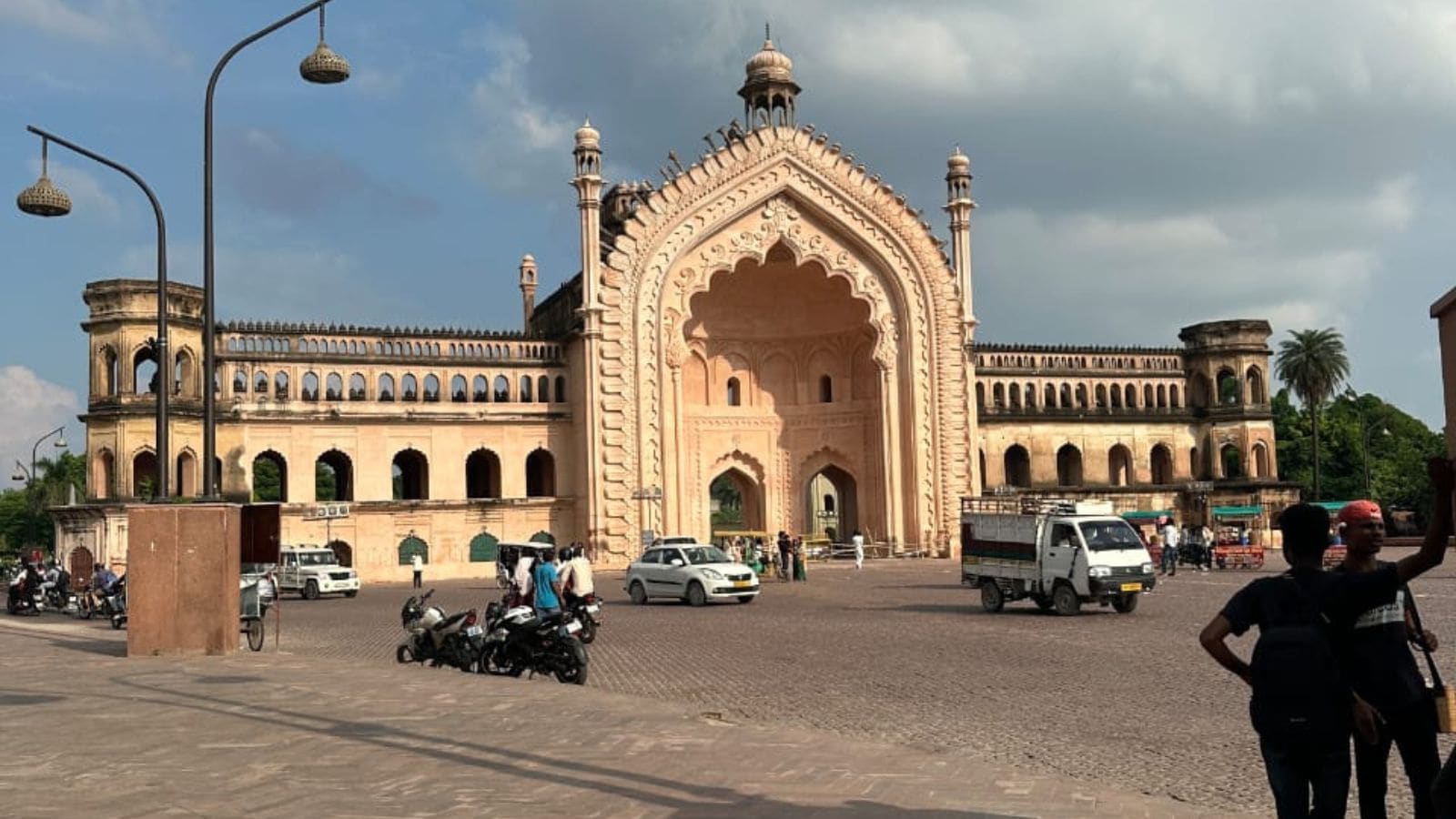
In the 2026 Swachh Vayu Sarvekshan, Lucknow emerged as the leader in the million-plus population category for air quality efforts. While Indore and Jabalpur followed closely, major metros like Delhi and Mumbai struggled with low rankings.
- Lucknow topped the million-plus cities category for its air quality improvement efforts.
- Indore secured the second spot, while Jabalpur ranked third.
- Delhi (30th) and Mumbai (37th) recorded poor rankings in the million-plus category.
- Key drivers for success included EV adoption and mechanised road sweeping.
The central government's annual 'Swachh Vayu Sarvekshan 2026' has released its latest findings, highlighting a significant shift in urban air quality management across India. Lucknow, the capital of Uttar Pradesh, has claimed the top spot in the million-plus population category. The city's success is attributed to strategic interventions such as integrating electric vehicles (EVs) into waste collection fleets, deploying mechanised sweepers to mitigate road dust, and effective management of legacy waste.
Following Lucknow, Indore—frequently cited as India's cleanest city—secured the second position, with Jabalpur rounding out the top three in the million-plus category. Jabalpur’s achievements were bolstered by its waste-to-energy plants and 100 per cent scientific waste disposal. However, a critical nuance remains: despite its top ranking, Lucknow has yet to consistently meet the national PM 10 annual ambient air quality standard of 60 ug/m3, though it has shown significant improvement from 2017 levels.
Why This Matters
BozokMedia analysis shows that these rankings serve as a vital scorecard for municipal governance. The divergence between rapidly improving cities like Lucknow and struggling metros like Delhi and Mumbai suggests that localized, aggressive dust and waste management strategies are more effective than broad-stroke policies. The success of Tier-2 cities indicates a decentralization of environmental excellence.
Air quality improvement is less about high-tech filtration and more about the relentless management of ground-level dust and vehicular emissions.
In other population brackets, Rourkela led the 3-10 lakh population category, followed by Firozabad and Guntur. For cities with populations under 3 lakh, Kalinga Nagar emerged as the winner. The ranking parameters heavily weight waste management, road dust control, and construction/demolition debris management, while particulate matter reduction carries a specific 2.5 per cent weightage.
| City Category | 1st Place | 2nd Place | 3rd Place |
|---|---|---|---|
| Million-Plus Cities | Lucknow | Indore | Jabalpur |
| 3-10 Lakh Population | Rourkela | Firozabad/Guntur | Amravati |
| Under 3 Lakh Population | Kalinga Nagar | Angul | Talcher |
The National Clean Air Programme (NCAP), launched in 2019, aims to reduce PM 10 concentrations by up to 40 per cent by 2025-26. Currently, only 14 out of the 130 covered cities have met the National Ambient Air Quality Standards, underscoring the massive challenge ahead for India's urban centers.
Frequently Asked Questions
Question 1: What are the main criteria for the Swachh Vayu Sarvekshan?
Answer: The ranking is based on waste management, road dust control, construction waste management, and reduction in vehicular and industrial pollution.
Question 2: How did Delhi and Mumbai perform?
Answer: In the million-plus category, Delhi ranked 30th and Mumbai ranked 37th.