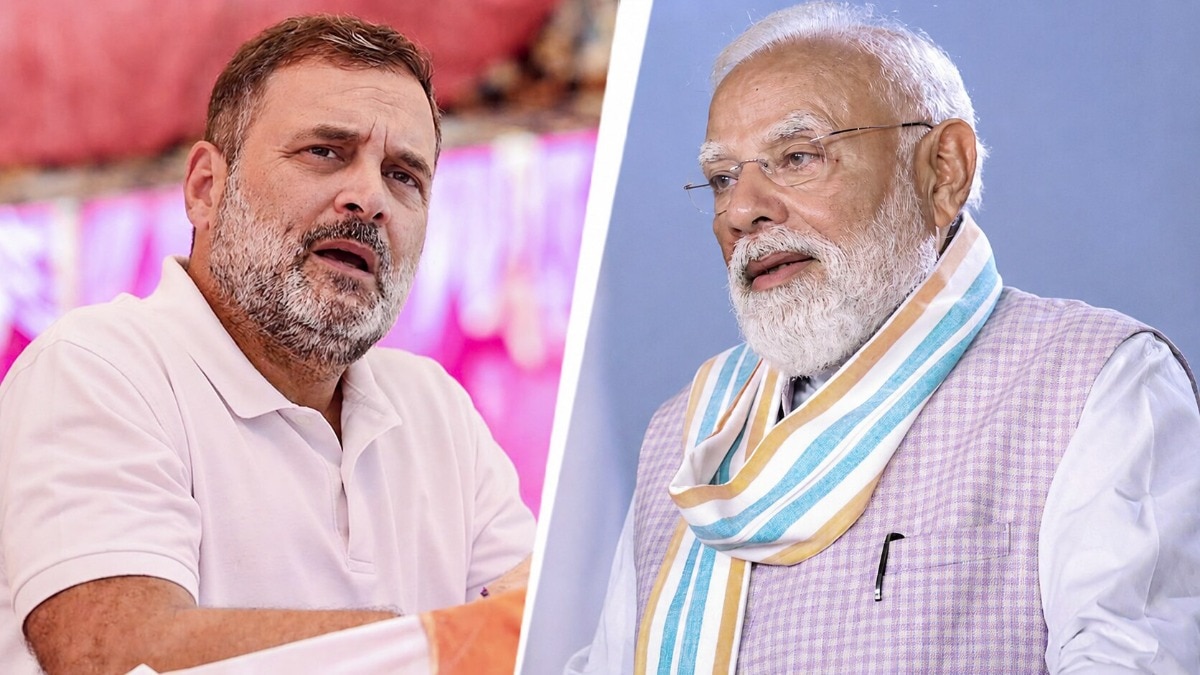
The Bombay High Court has dismissed a petition by Rahul Gandhi seeking to cancel summons in a 2019 defamation case involving remarks against PM Narendra Modi. The court has granted a six-week reprieve to allow him to approach the Supreme Court.
- Bombay HC dismissed Rahul Gandhi's plea against the magistrate's summons.
- The case pertains to 2018 remarks calling PM Modi a 'commander-in-thief'.
- The court granted a 6-week interim protection to allow an appeal to the Supreme Court.
- The court ruled that remarks against a PM can affect political party members.
In a significant legal development, the Bombay High Court on Tuesday refused to cancel the summons issued to Congress MP Rahul Gandhi in a long-standing defamation case. The case stems from a 2018 public rally where Gandhi made controversial remarks against Prime Minister Narendra Modi regarding the Rafale fighter jet deal.
A single bench presided over by Justice NR Borkar dismissed the petition filed by the Leader of the Opposition. The petition challenged an order from a Girgaum magistrate court issued in August 2019, following a complaint by MH Shrishrimal. Gandhi had referred to the Prime Minister as a 'commander-in-thief' during a speech in Rajasthan.
Why This Matters
BozokMedia analysis shows that this ruling reinforces the legal principle that high-ranking political figures are inextricably linked to their political organizations. By stating that remarks against a Prime Minister can impact the sentiments of party members, the court has set a stringent precedent for political rhetoric in India.
The intersection of political free speech and defamation law remains one of the most contested battlegrounds in the Indian judiciary.
During the proceedings, Gandhi's counsel, Sudeep Pasbola, argued that the complainant, Shrishrimal, was not an 'aggrieved party' and that the remarks were personal rather than aimed at the BJP as an institution. However, the court rejected this, noting that the BJP is a 'determinate body' and the Prime Minister is its most prominent face.
Justice Borkar emphasized that whether the remarks were intended solely as personal attacks would be a matter for trial, to be decided after the examination of evidence and witnesses. The court found no 'perversity or illegality' in the original magistrate's order.
Frequently Asked Questions
1. What was the specific remark made by Rahul Gandhi?
He referred to Prime Minister Narendra Modi as a 'commander-in-thief' during a 2018 rally in Rajasthan.
2. What relief did the High Court provide to Rahul Gandhi?
The court extended the interim protection from appearing before the magistrate for six weeks to allow him to move the Supreme Court.